काल भैरव जयंती कथा और पूजा विधि
Kaal Bhairav Jayanti Katha and Puja Vidhi
मार्गशीर्ष कृष्ण अष्टमी — शिव से भैरव के प्रकट होने की कथा, काशी के कोतवाल की पहचान, रात्रि पूजा, काले कुत्ते की सेवा और मासिक कालाष्टमीMargashirsha Krishna Ashtami: how Bhairav appeared from Shiva, why he is the kotwal of Kashi, the night worship, feeding the black dog, and the monthly Kalashtami
2026 मेंIn 2026
मंगलवार, 1 दिसंबर 2026Tuesday, 1 December 2026
मार्गशीर्ष कृष्ण अष्टमी · 00:12 (1 दिसंबर 2026) से 23:14 (1 दिसंबर 2026) तकMargashirsha Krishna Ashtami · from 00:12 on 1 December 2026 to 23:14 on 1 December 2026
- प्रदोष कालPradosh kaal
- 17:19 – 19:43
PDF डाउनलोडDownload PDF
काल भैरव जयंती मार्गशीर्ष कृष्ण अष्टमी को मनाई जाती है, जिसे भैरव अष्टमी भी कहते हैं। परंपरा में यह वह दिन है जब भगवान शिव का उग्र रूप, काल भैरव, प्रकट हुआ। भैरव समय के भी स्वामी माने जाते हैं, इसलिए उनका नाम 'काल' भैरव है, और काशी में वे नगर के कोतवाल के रूप में पूजे जाते हैं। इस दिन की पूजा रात्रि में, प्रदोष के समय से आगे होती है, क्योंकि भैरव की उपासना का मुख्य काल रात्रि है।
नीचे इस दिन की कथा हमने अपने शब्दों में लिखी है, फिर पूजा की पूरी विधि, काले कुत्ते को भोजन कराने की रीति, और हर महीने की कालाष्टमी का संक्षिप्त परिचय। तिथि और पूजा का समय ऊपर पंचांग वाले बॉक्स में देखें; वह आपके नगर के अनुसार बदलता है।
Kaal Bhairav Jayanti is kept on Margashirsha Krishna Ashtami, also called Bhairav Ashtami. In the tradition it is the day on which Kaal Bhairav, the fierce form of Lord Shiva, came into being. Bhairav is regarded as master even of time, which is why he is called Kaal Bhairav, and in Kashi he is worshipped as the kotwal, the keeper of the city. The worship of this day is done at night, from the pradosh hours onward, because night is the main time of Bhairav's upasana.
Below is the story of the day in our own words, then the full method of the puja, the custom of feeding the black dog, and a short note on the monthly Kalashtami. For the date and the time of worship, look at the panchang box above; it changes with your city.
कथा: भैरव का प्राकट्यThe story: the coming of Bhairav
कहा जाता है कि एक समय देवताओं और ऋषियों में यह चर्चा चल पड़ी कि सृष्टि में सबसे श्रेष्ठ कौन है। कोई ब्रह्मा का नाम लेता था, कोई विष्णु का, कोई शिव का। जब बात किसी एक निर्णय पर नहीं पहुँची तो सब ज्ञानियों से पूछने गए, और सबके उत्तर में यही निकला कि शिव ही परम तत्त्व हैं। विष्णु ने इसे विनय से स्वीकार किया, पर ब्रह्मा को यह बात नहीं भाई।
ब्रह्मा अपनी रचना-शक्ति और पाँचवें मुख के बल पर अपने को सबसे ऊपर मानने लगे। उनके उस मुख से अहंकार भरे शब्द निकले, और उन्होंने शिव को अपने से छोटा बताया। कथा कहती है कि ज्ञान जब अहंकार में बदल जाए तो वही सबसे बड़ा अंधकार बन जाता है, और उस समय ब्रह्मा के साथ यही हुआ। देवताओं ने उन्हें समझाने का प्रयास किया, पर वे अपनी बात पर अड़े रहे।
तब शिव के भीतर से एक प्रचंड तेज उठा और उसने एक भयंकर पुरुष का रूप ले लिया। उसकी आँखों में प्रलय की ज्वाला थी, हाथ में दंड था और रूप ऐसा कि दिशाएँ काँप उठीं। यही काल भैरव हैं। शिव ने उनसे कहा कि तुम समय की तरह अटल हो, तुम्हारे सामने अहंकार टिक नहीं सकता, और तुम्हारा काम होगा संसार में मर्यादा की रक्षा करना।
भैरव ने ब्रह्मा के उस मुख को, जिससे अहंकार के वचन निकले थे, अपने नख की धार से अलग कर दिया। ब्रह्मा का गर्व उसी क्षण टूट गया और उन्होंने शिव से क्षमा माँगी। शिव प्रसन्न हुए और ब्रह्मा को क्षमा किया। पर भैरव के हाथ से वह कटा हुआ मुख चिपका रह गया। यह ब्रह्महत्या जैसा बोझ था जो उन पर आ पड़ा, चाहे वह धर्म के लिए ही क्यों न किया गया हो।
शिव ने भैरव को आज्ञा दी कि वे इस बोझ को लेकर तीनों लोकों में भ्रमण करें, भिक्षा माँगें और तब तक चलते रहें जब तक यह मुख उनके हाथ से अपने आप न गिर जाए। भैरव वर्षों तक घूमते रहे। कहते हैं, वे विष्णु के द्वार पर भी गए और वहाँ सम्मान के साथ उनका स्वागत हुआ, पर बोझ नहीं उतरा। अंत में वे काशी पहुँचे।
काशी में पैर रखते ही भैरव के हाथ से वह कटा हुआ मुख छूटकर गिर गया और वह स्थान कपाल-मोचन कहलाया। भैरव को शांति मिली। शिव ने तब उन्हें वहीं रहने का आदेश दिया और कहा कि तुम काशी के कोतवाल बनो। जो भी काशी में आए, उसके पाप और भय का हिसाब तुम्हारे हाथ होगा, और बिना तुम्हारी अनुमति के कोई काशी में रह नहीं सकेगा।
इसीलिए काशी की यात्रा के बाद आज भी भक्त पहले काशी विश्वनाथ के दर्शन करते हैं और फिर कोतवाल काल भैरव के दर्शन करके लौटते हैं, ऐसी मान्यता है कि भैरव के दर्शन के बिना काशी की यात्रा अधूरी रहती है। देश में अन्य जगह भी भैरव के अनेक मंदिर हैं और घर-घर में उन्हें रक्षक देव के रूप में माना जाता है।
इस कथा का सार यही है कि भैरव शिव का वह रूप हैं जो भय देने नहीं, भय हरने आता है। वे अहंकार को तोड़ते हैं, मर्यादा की रक्षा करते हैं और शरण में आने वाले की रक्षा करते हैं। इसीलिए जिस दिन भैरव प्रकट हुए, उस दिन उनकी पूजा रक्षा, निर्भयता और अहंकार के शमन के भाव से की जाती है।
It is told that once the gods and the sages fell to discussing who is the greatest in all creation. Some named Brahma, some Vishnu, some Shiva. When no one answer came out of the talk, they went to the wise to ask, and every reply came to the same point: Shiva is the highest reality. Vishnu accepted this with humility, but Brahma did not like it.
Brahma, proud of his power of creation and of his fifth head, began to think of himself as above all. From that head came words full of pride, and he spoke of Shiva as lesser than himself. The story says that when knowledge turns into pride it becomes the deepest darkness, and that is what happened to Brahma at that moment. The gods tried to reason with him, but he held to his word.
Then a blazing force rose from within Shiva and took the shape of a terrible figure. There was the fire of dissolution in his eyes, a staff in his hand, and such a form that the directions trembled. This is Kaal Bhairav. Shiva told him, you are as unmoving as time, pride cannot stand before you, and your work will be to guard order in the world.
Bhairav cut away with the edge of his nail the very head from which the proud words had come. Brahma's arrogance broke in that instant and he begged Shiva's forgiveness. Shiva was pleased and forgave him. But the severed head stayed stuck to Bhairav's hand. A burden like the sin of killing a brahmin had fallen on him, even though he had acted for dharma.
Shiva commanded Bhairav to carry this burden through the three worlds, to live by begging, and to keep walking until the head fell from his hand by itself. Bhairav wandered for years. It is said that he went even to the door of Vishnu and was received with honour there, yet the burden did not lift. In the end he reached Kashi.
The moment Bhairav stepped into Kashi, the severed head slipped from his hand and fell, and that place came to be called Kapal-mochan, the place of release. Bhairav found peace. Shiva then bade him stay there and said, be the kotwal of Kashi. Whoever comes to Kashi, the account of his sin and fear will be in your hand, and no one will be able to stay in Kashi without your leave.
That is why, after a pilgrimage to Kashi, devotees still go first for the darshan of Kashi Vishwanath and then for the darshan of Kaal Bhairav, the kotwal, before they turn back. It is believed that a visit to Kashi is incomplete without Bhairav's darshan. There are many Bhairav temples elsewhere in the country, and in many homes he is held as a guardian deity.
The heart of this story is that Bhairav is the form of Shiva that comes not to give fear but to take it away. He breaks pride, guards order and protects the one who takes refuge. So on the day of his appearance he is worshipped in the spirit of protection, fearlessness and the quieting of ego.
पूजा विधिHow to perform the puja
सामग्री: भैरव या शिव की प्रतिमा अथवा चित्र (न हो तो शिवलिंग), सरसों के तेल का दीपक, काली उड़द, काले तिल, नीले या गहरे रंग के फूल (न मिलें तो जो फूल हों), धूप, सिंदूर या रोली, नारियल, इमरती, जलेबी या उड़द के बड़े का भोग, पान, और काले कुत्ते के लिए रोटी, दूध या मीठी रोटी।
दिन में सामान्य शुद्धता से रहें। जो उपवास रखते हैं, वे दिन भर फलाहार या एक समय का सात्त्विक भोजन करते हैं और रात की पूजा के बाद ही अन्न ग्रहण करते हैं। उपवास किसी पर थोपा नहीं जाता; अपनी सेहत देखकर जितना सध सके, उतना ही रखें। इस दिन क्रोध, कठोर वचन और दूसरों को सताने से बचना ही भैरव की सबसे सच्ची पूजा मानी जाती है।
पूजा के लिए शाम को प्रदोष के समय स्नान करें और स्वच्छ वस्त्र पहनें। मुख्य पूजा रात्रि में, पंचांग वाले बॉक्स में दिए समय पर, की जाती है। एक साफ जगह पर आसन बिछाएँ और भैरव का चित्र या मूर्ति रखें। यदि भैरव का चित्र न हो तो शिव का ध्यान करें, क्योंकि भैरव शिव का ही रूप हैं।
पहले संकल्प लें: हाथ में जल लेकर मन में कहें कि मैं भय, बाधा और अहंकार के शमन के लिए काल भैरव की पूजा कर रहा हूँ। फिर सबसे पहले गणेश जी का स्मरण करें, उसके बाद शिव-पार्वती का, और फिर भैरव का आवाहन करें।
भैरव को जल से स्नान कराएँ (मूर्ति हो तो), फिर सिंदूर या रोली का तिलक लगाएँ। फूल, काली उड़द या काले तिल अर्पित करें। धूप दिखाएँ। सरसों के तेल का दीपक जलाकर सामने रखें; इसे पूजा के बीच बुझने न दें। भैरव की पूजा में सरसों का तेल और काले रंग की वस्तुएँ परंपरा से जुड़ी हैं, क्योंकि ये शनि और राहु के पदार्थ हैं और भैरव इन दोनों के शमन के देव माने जाते हैं।
भोग में इमरती, जलेबी, उड़द के बड़े, नारियल या मीठी रोटी रखें। कई जगह भैरव को पान और नारियल भी चढ़ाया जाता है। भैरव मंदिरों में कहीं-कहीं मदिरा का भोग भी चलता है; यह कुछ स्थानों की अपनी परंपरा है। घर की पूजा में इसकी कोई आवश्यकता नहीं है और सात्त्विक भोग ही पर्याप्त है।
अब जप और पाठ का समय है। काल भैरव, बटुक भैरव, काशी के कोतवाल जैसे भैरव के नामों का स्मरण करें, या अपने गुरु से मिला मंत्र श्रद्धा से जपें। इस पेज पर हम कोई मंत्र नहीं दे रहे; जो आपके कुल या गुरु की परंपरा में है, वही आपके लिए उचित है। साथ ही ऊपर दी गई कथा पढ़ें या सुनें, और चाहें तो भैरव चालीसा का पाठ करें, जो इस पुस्तकालय में उपलब्ध है।
पाठ के बाद आरती करें, पहले शिव की और फिर भैरव की। हाथ जोड़कर अपनी भूल-चूक के लिए क्षमा माँगें और जो भय या बाधा मन में हो, उसे शांत भाव से भैरव के चरणों में रख दें। फिर प्रसाद सबको बाँटें।
काले कुत्ते की सेवा: भैरव का वाहन कुत्ता माना जाता है, इसलिए इस दिन और हर कालाष्टमी पर कुत्ते को भोजन कराने की रीति है। परंपरा में काले कुत्ते को विशेष माना गया है। रोटी में थोड़ा सरसों का तेल या गुड़ लगाकर, या दूध-रोटी, उसे प्रेम से दें। काला कुत्ता न मिले तो जो भी कुत्ता मिले, उसे खिलाएँ, क्योंकि सेवा का भाव मुख्य है, रंग नहीं। उसे डराएँ या मारें नहीं, और पास के जानवर की सहज सेवा को ही पूजा समझें।
रात की पूजा के बाद और भी कुछ करना चाहें तो जरूरतमंद को काला कंबल, उड़द या सरसों का तेल दान किया जाता है। शनि और राहु से जुड़े उपाय के रूप में यह दान परंपरा में कहा गया है, पर इसे अपनी सामर्थ्य और विवेक के अनुसार ही करें। अंत में अगले दिन भी शांत मन और संयम बनाए रखें।
Things needed: an image or picture of Bhairav or Shiva (a Shivling if you have no picture), a lamp of mustard oil, black urad, black sesame, flowers (dark or blue if you can find them, otherwise whatever flowers you have), incense, sindoor or roli, a coconut, an offering of imarti, jalebi or urad vada, a betel leaf, and for the black dog a roti, milk or a sweet roti.
During the day keep ordinary cleanliness. Those who fast take only fruit, or one simple sattvic meal, through the day and eat grain only after the night puja. The fast is not forced on anyone; keep as much as your health allows. On this day, avoiding anger, harsh words and troubling others is held to be the truest worship of Bhairav.
For the puja, bathe at the pradosh hours in the evening and put on clean clothes. The main puja is done at night, in the window given in the panchang box. Spread a seat in a clean place and set the picture or image of Bhairav before you. If you have no picture of Bhairav, meditate on Shiva, since Bhairav is Shiva's own form.
First take the sankalp: with water in your palm, say in your mind that you are worshipping Kaal Bhairav for the quieting of fear, obstacles and ego. Remember Ganesha first, then Shiva and Parvati, and then invite Bhairav.
Bathe the image with water if it is a murti, then mark it with sindoor or roli. Offer flowers and black urad or black sesame. Show incense. Light the mustard-oil lamp and place it in front, and do not let it go out during the puja. Mustard oil and black things belong to Bhairav's worship by tradition because they are the substances of Saturn and Rahu, and Bhairav is held to be the deity who calms both.
For the bhog keep imarti, jalebi, urad vada, coconut or a sweet roti. In many places betel leaf and coconut are offered to Bhairav as well. In some Bhairav temples liquor is also offered; that is the custom of certain places only. It is not needed in a home puja, and a sattvic bhog is enough.
Now comes japa and recitation. Remember the names of Bhairav, such as Kaal Bhairav, Batuk Bhairav, the kotwal of Kashi, or chant with faith the mantra you have received from your guru. We do not give a mantra on this page; what belongs to your family or your guru's lineage is right for you. Read or hear the story above, and if you wish recite the Bhairav Chalisa, which is in this library.
After the recitation do the aarti, first of Shiva and then of Bhairav. With folded hands ask forgiveness for any slip and place whatever fear or obstacle is in your mind, calmly, at Bhairav's feet. Then distribute the prasad to everyone.
Serving the black dog: Bhairav's vahana is held to be the dog, so on this day and on every Kalashtami there is the custom of feeding a dog. In the tradition the black dog is considered special. Give it a roti with a little mustard oil or jaggery on it, or milk with roti, with affection. If there is no black dog, feed any dog you meet, because the feeling of service is what matters, not the colour. Do not frighten or strike it, and treat the plain kindness to the animal beside you as the puja itself.
If you want to do something more after the night puja, a black blanket, urad or mustard oil is given to someone in need. In the tradition this is said as a remedy connected with Saturn and Rahu, but do it only according to your means and judgment. And keep a calm mind and restraint on the following day too.
मासिक कालाष्टमीThe monthly Kalashtami
हर महीने कृष्ण पक्ष की अष्टमी को कालाष्टमी कहा जाता है, और इस तिथि पर भी भैरव की पूजा की जाती है। मार्गशीर्ष की कालाष्टमी, जो काल भैरव जयंती है, इनमें सबसे बड़ी मानी जाती है। जो लोग भैरव की उपासना नियम से करते हैं, वे हर कालाष्टमी की रात यही विधि छोटे रूप में दोहराते हैं: सरसों के तेल का दीपक, भैरव का स्मरण, और कुत्ते को भोजन।
नए साधक के लिए सरल क्रम यह है कि वे जयंती पर विधि से पूजा करें और बाद की कालाष्टमी पर केवल दीपक, पाठ और कुत्ते की सेवा रखें। तिथि कब लगती है, यह नगर के अनुसार बदलता है, इसलिए हर महीने पंचांग से देख लें। इसमें किसी कठोर नियम की आवश्यकता नहीं है; श्रद्धा और निरंतरता ही मुख्य है।
The Ashtami of the dark fortnight in every month is called Kalashtami, and Bhairav is worshipped on that tithi too. The Kalashtami of Margashirsha, which is Kaal Bhairav Jayanti, is held to be the greatest of them. Those who worship Bhairav regularly repeat the same method in a short form on the night of every Kalashtami: the mustard-oil lamp, the remembrance of Bhairav, and food for a dog.
A simple order for a new practitioner is to do the full puja on Jayanti and keep only the lamp, the recitation and the feeding of the dog on later Kalashtamis. When the tithi begins depends on your city, so check the panchang each month. No hard rule is needed; faith and regularity are what count.
महत्व और फलMeaning and fruit
परंपरा के अनुसार काल भैरव की पूजा भय, अकारण चिंता, शत्रु-बाधा, बुरे स्वप्नों और अनजान अड़चनों के शमन के लिए की जाती है। श्रद्धालु मानते हैं कि भैरव यात्रा, नगर और घर के रक्षक हैं, और जो नियम से उनका स्मरण करता है, उसे मन की दृढ़ता मिलती है।
इस पूजा का सबसे गहरा पक्ष वही है जो कथा में है: अहंकार का शमन। भैरव का स्मरण हमें याद दिलाता है कि समय सबसे ऊपर है और कोई भी उपलब्धि, पद या ज्ञान अहंकार करने के योग्य नहीं। इसे फल का वचन न समझें; यह श्रद्धा और आत्म-अनुशासन की साधना है।
By tradition, worship of Kaal Bhairav is done for the quieting of fear, causeless worry, hindrance from enemies, bad dreams and unknown obstacles. Devotees hold that Bhairav is the guardian of journeys, cities and homes, and that one who remembers him with discipline gains steadiness of mind.
The deepest side of this worship is the one in the story itself: the quieting of ego. Remembering Bhairav reminds us that time stands above all, and that no achievement, post or learning is a thing to be proud of. Do not take this as a promise of results; it is a practice of faith and self-discipline.
कब पढ़ेंWhen to read
यह कथा काल भैरव जयंती यानी मार्गशीर्ष कृष्ण अष्टमी की रात, पूजा के समय और दीपक जलाने के बाद, तथा हर कालाष्टमी की रात पढ़ी या सुनी जाती है।This katha is read or heard on the night of Kaal Bhairav Jayanti, Margashirsha Krishna Ashtami, during the puja after the lamp is lit, and on the night of every Kalashtami.
कुंडली मेंIn your kundli
ज्योतिष की परंपरा में भैरव को शनि और राहु का शमन करने वाला देव माना जाता है। शनि की साढ़ेसाती या ढैया, राहु की महादशा या अंतर्दशा, कुंडली में राहु का लग्न, सप्तम या अष्टम भाव में होना, और अकारण भय या बाधाओं की स्थिति में भैरव की उपासना का सुझाव परंपरा देती है। यह श्रद्धा और अनुशासन का उपाय है, किसी परिणाम की गारंटी नहीं, और कुंडली का फल अकेले एक ग्रह से नहीं तय होता। आप इसी साइट पर अपनी कुंडली बनाकर देख सकते हैं कि शनि और राहु कहाँ बैठे हैं, कौन-सी दशा चल रही है और साढ़ेसाती की क्या स्थिति है।In the Jyotish tradition Bhairav is held to be the deity who calms Saturn and Rahu. The tradition suggests his worship during Saturn's sade sati or dhaiya, in a Rahu mahadasha or antardasha, when Rahu sits in the first, seventh or eighth house of the kundli, and in states of causeless fear or obstruction. It is a remedy of faith and discipline, not a guarantee of any result, and the fruit of a kundli is never decided by one graha alone. Build your kundli on this site and see where Saturn and Rahu stand, which dasha is running, and what the position of the sade sati is.
ग्रह: Grahas: शनिSaturn, राहुRahu
अपनी कुंडली में देखेंCheck it in your kundliप्रश्नोत्तरQuestions people ask
- काल भैरव जयंती कब मनाई जाती है?When is Kaal Bhairav Jayanti observed?
- काल भैरव जयंती मार्गशीर्ष कृष्ण अष्टमी को मनाई जाती है, और पूजा रात्रि में प्रदोष के समय से आगे होती है। इस वर्ष की तिथि और पूजा का समय इस पेज के ऊपर वाले बॉक्स में दिखता है। अष्टमी के आरंभ और अंत का समय नगर के अनुसार बदलता है, इसलिए अपने शहर का समय देखें।Kaal Bhairav Jayanti is observed on Margashirsha Krishna Ashtami, and the puja is done at night from the pradosh hours onward. The date and puja time for this year show in the box above on this page. The start and end of the Ashtami tithi change with the city, so look at the time for your own city.
- भैरव को काले कुत्ते को खिलाना क्यों कहा जाता है?Why is feeding the black dog associated with Bhairav?
- परंपरा में कुत्ते को भैरव का वाहन माना जाता है, इसलिए कुत्ते की सेवा को भैरव की सेवा समझा जाता है, और काले रंग को शनि-राहु से जोड़ा जाता है। रोटी, दूध या मीठी रोटी प्रेम से दें। काला कुत्ता न मिले तो कोई भी कुत्ता चलेगा, क्योंकि भाव सेवा का है, रंग का नहीं। उसे डराना या मारना नहीं चाहिए।In the tradition the dog is Bhairav's vahana, so serving a dog is taken as serving Bhairav, and the colour black is linked with Saturn and Rahu. Give a roti, milk or a sweet roti with affection. If there is no black dog, any dog will do, since it is the feeling of service that counts, not the colour. It should never be frightened or struck.
- क्या घर में काल भैरव की पूजा की जा सकती है, और मदिरा चढ़ाना ज़रूरी है?Can Kaal Bhairav be worshipped at home, and is offering liquor necessary?
- हाँ, घर में सरसों के तेल का दीपक, फूल, उड़द और इमरती जैसे सात्त्विक भोग से भैरव की पूजा की जा सकती है। मदिरा का भोग कुछ भैरव मंदिरों की अपनी परंपरा है, घर की पूजा में उसकी कोई आवश्यकता नहीं है। मंत्र के लिए अपने गुरु या कुल की परंपरा का पालन करें।Yes. At home Bhairav can be worshipped with a mustard-oil lamp, flowers, urad and a sattvic bhog such as imarti. Offering liquor is the custom of some Bhairav temples only and is not needed in a home puja. For a mantra, follow your guru or your family's tradition.
- कालाष्टमी क्या है और क्या हर महीने भैरव की पूजा करनी चाहिए?What is Kalashtami, and should Bhairav be worshipped every month?
- कालाष्टमी हर महीने कृष्ण पक्ष की अष्टमी है, जिस दिन भैरव की पूजा होती है। यह कोई बाध्यता नहीं है। जिन्हें भैरव में श्रद्धा है, वे उस रात दीपक, पाठ और कुत्ते की सेवा कर सकते हैं। मार्गशीर्ष की कालाष्टमी, यानी काल भैरव जयंती, सबसे बड़ी मानी जाती है।Kalashtami is the Ashtami of the dark fortnight in each month, on which Bhairav is worshipped. It is not an obligation. Those with faith in Bhairav can keep a lamp, a recitation and the feeding of a dog that night. The Margashirsha Kalashtami, which is Kaal Bhairav Jayanti, is held to be the greatest.
साथ में पढ़ेंRead alongside
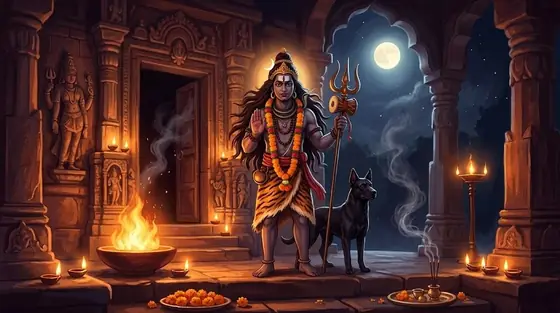 चालीसाChalisas
श्री भैरव चालीसा
Bhairav Chalisa
काशी के कोतवाल भैरव की चालीसा, श्री बटुक भैरव मन्दिर, दिल्ली की पुस्तिका से, हर चौपाई के अर्थ सहितThe Chalisa of Bhairav, Kotwal of Kashi, from the Shri Batuk Bhairav Mandir, Delhi booklet, with the meaning of every verse
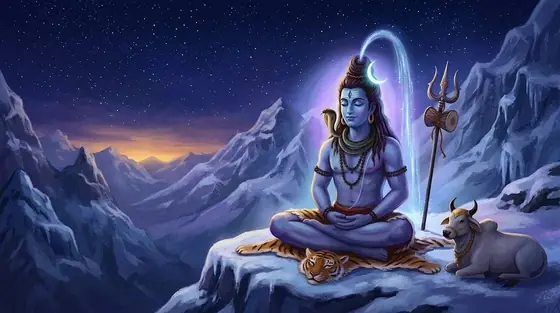 चालीसाChalisas
श्री शिव चालीसा
Shiv Chalisa
अयोध्यादास रचित शिव की चालीस चौपाइयाँ, अर्थ सहितAyodhyadas's forty verses to Shiva, with the meaning of every line
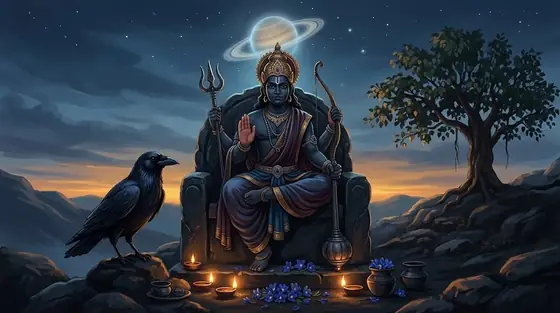 चालीसाChalisas
श्री शनि चालीसा
Shani Chalisa
शनिदेव की चालीस चौपाइयाँ, हर दोहे और चौपाई के अर्थ सहितForty verses to Shani Dev, with the meaning of every doha and chaupai
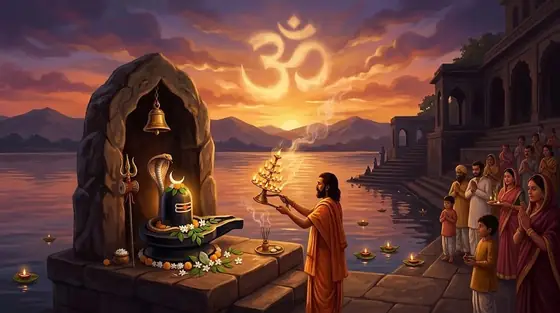 आरतीAartis
ॐ जय शिव ओंकारा
Om Jai Shiv Omkara
शिव जी की आरती, गीता प्रेस के श्रीआरती-संग्रह के पाठ से, अर्थ सहितThe Shiva aarti as printed in the Gita Press Aarti Sangrah, with the meaning of every stanza
 व्रत कथाVrat Kathas
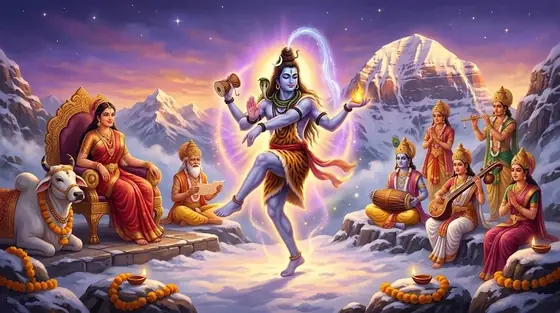
प्रदोष व्रत कथा
Pradosh Vrat Katha
हर मास की दोनों त्रयोदशी की संध्या — प्रदोष काल में शिव पूजा, स्कंद पुराण की निर्धन ब्राह्मणी और विदर्भ के राजकुमार की कथा, व्रत विधि, और सोम, भौम, शनि प्रदोष का फलThe evening of every Trayodashi: Shiva's puja in the pradosh window, the Skanda Purana katha of the poor Brahmin widow and the prince of Vidarbha, the method of the fast, and the fruit of Som, Bhaum and Shani Pradosh
 व्रत कथाVrat Kathas
शनिवार व्रत कथा
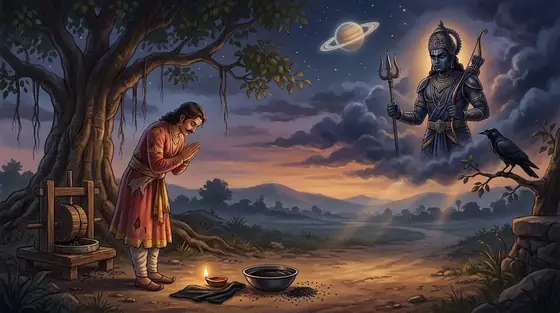
Shanivar Vrat Katha
शनि देव का शनिवार व्रत — नवग्रहों का विवाद और राजा विक्रमादित्य की साढ़े साती की कथा, व्रत विधि और उद्यापनThe Saturday fast for Shani Dev: the quarrel of the nine grahas and King Vikramaditya's sade sati, how to keep the fast, and the udyapan