शिवताण्डवस्तोत्रम्
Shiv Tandav Stotram
रावण-रचित माने जाने वाला शिव के ताण्डव का स्तोत्र, फलश्रुति सहित, हर श्लोक के अर्थ के साथThe hymn to Shiva's tandava traditionally attributed to Ravana, with its closing phalashruti and the meaning of every shloka
PDF डाउनलोडDownload PDF
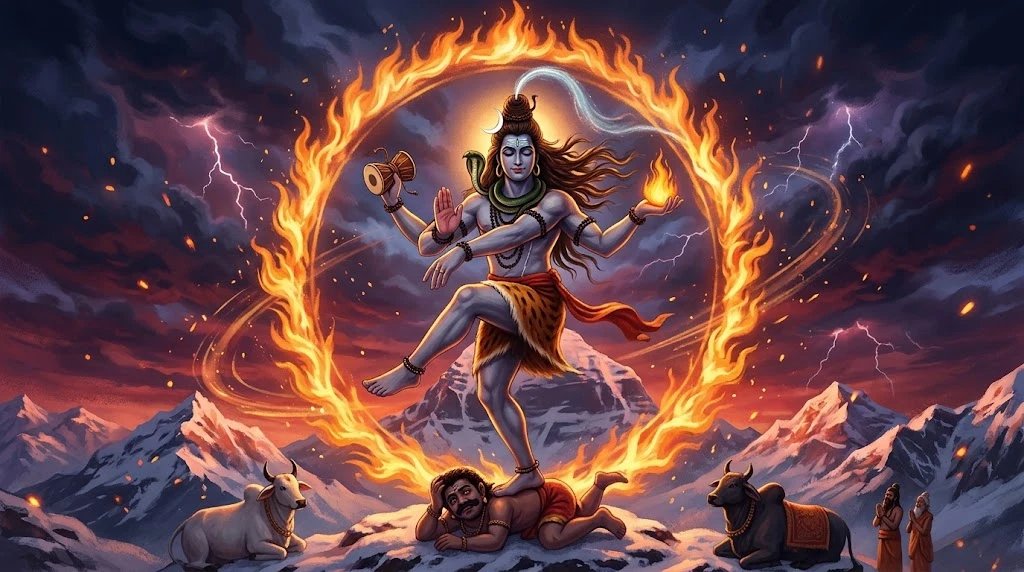
शिवताण्डवस्तोत्रम् भगवान् शिव के प्रचण्ड नृत्य, ताण्डव, का स्तोत्र है। यह परम्परा से लंकापति रावण की रचना माना जाता है: गीता प्रेस का पाठ 'इति श्रीरावणकृतं शिवताण्डवस्तोत्रं सम्पूर्णम्' पर समाप्त होता है और अन्तिम श्लोक स्वयं इसे 'दशवक्त्रगीत', यानी दस मुख वाले का गाया हुआ, कहता है। इसके श्लोक पञ्चचामर छन्द में हैं, जिसमें लघु और गुरु अक्षर बारी-बारी से आते हैं; इसी से डमरू की थाप जैसी लय बनती है और लम्बे समासों में जटा, गंगा, सर्प, चन्द्रमा, ललाट की अग्नि और ताण्डव का एक के बाद एक चित्र खिंचता है।
शिव-भक्त इसे प्रदोष, महाशिवरात्रि, सोमवार और श्रावण मास में पढ़ते हैं; स्तोत्र की फलश्रुति स्वयं प्रदोष के समय पूजा के अन्त में इसके पाठ की बात कहती है। इस पृष्ठ पर पूरा पाठ गीता प्रेस, गोरखपुर की 'स्तोत्ररत्नावली' के छपे पाठ के अनुसार है, उसी की पंक्ति-व्यवस्था और सन्धि के साथ; हर श्लोक के नीचे उसका सीधा अर्थ है जिसमें कठिन शब्दों की व्याख्या भी है, और साइन-इन के बाद पूरा पाठ मुफ्त PDF में उतारा जा सकता है।
Shiv Tandav Stotram is a hymn to Shiva's fierce dance, the tandava. It is traditionally attributed to Ravana, the king of Lanka: the Gita Press text closes with the words that it was composed by Ravana, and its last shloka itself calls the hymn the song of the ten-headed one (dashavaktra-gita). The shlokas are in the panchachamara metre, in which short and long syllables alternate; that gives the hymn its drum-beat rhythm, and its long compounds lay out picture after picture: the matted locks, the Ganga, the serpents, the moon, the fire on the forehead and the dance itself.
Devotees of Shiva read it on Pradosh, on Mahashivratri, on Mondays and through the month of Shravan; the hymn's own phalashruti speaks of reading it at the close of worship on Pradosh. This page gives the full text as printed in the Gita Press, Gorakhpur Stotra Ratnavali, keeping its line breaks and its sandhi, a plain meaning under every shloka that also explains the harder words, and, after sign-in, a free PDF of the whole text.
पाठThe text
पदVerse 1
जटाटवीगलज्जलप्रवाहपावितस्थले गलेऽवलम्ब्य लम्बितां भुजङ्गतुङ्गमालिकाम्। डमड्डमड्डमड्डमन्निनादवड्डमर्वयं चकार चण्डताण्डवं तनोतु नः शिवः शिवम्॥
जिनकी जटाओं के वन (जटाटवी) से बहती गंगा की धारा से पवित्र हुए कण्ठ पर उन्होंने सर्पों की लम्बी, ऊँची माला लटका रखी है, और जिन्होंने 'डमड्-डमड्' नाद से भरे डमरू के साथ प्रचण्ड ताण्डव किया, वे शिव हमारा कल्याण (शिवम्) बढ़ाएँ।With the streams of water flowing from the forest of his matted locks (jatatavi) purifying his throat, he hung there a long, towering garland of serpents, and danced the fierce tandava to a damaru ringing 'damad-damad-damad'. May that Shiva spread our welfare (shivam).
पदVerse 2
जटाकटाहसम्भ्रमभ्रमन्निलिम्पनिर्झरी- विलोलवीचिवल्लरीविराजमानमूर्द्धनि। धगद्धगद्धगज्ज्वलल्ललाटपट्टपावके किशोरचन्द्रशेखरे रतिः प्रतिक्षणं मम॥
जिनका मस्तक जटाओं के कड़ाह (कटाह) में वेग से घूमती देव-नदी (निलिम्पनिर्झरी, गंगा) की चंचल, बेल जैसी लहरों से शोभित है, जिनके चौड़े ललाट पर अग्नि 'धगद्-धगद्' जल रही है और जिनके सिर पर बाल-चन्द्रमा (किशोरचन्द्र) मुकुट-मणि है, उन शिव में मेरा प्रेम हर क्षण बना रहे।His head shines with the restless, vine-like waves of the river of the gods (nilimpa-nirjhari, the Ganga) whirling in the cauldron of his matted locks; on the broad plate of his forehead fire blazes 'dhagad-dhagad'; the young moon (kishora-chandra) is his crest-jewel. May my love rest on him at every moment.
पदVerse 3
धराधरेन्द्रनन्दिनीविलासबन्धुबन्धुर- स्फुरद्दिगन्तसन्ततिप्रमोदमानमानसे। कृपाकटाक्षधोरणीनिरुद्धदुर्धरापदि क्वचिद्दिगम्बरे मनो विनोदमेतु वस्तुनि॥
पर्वतराज की पुत्री (धराधरेन्द्रनन्दिनी, पार्वती) के सुन्दर विलास-आभूषणों से चमकती सब दिशाओं को देखकर जिनका मन आनन्दित है, और जिनकी कृपा-दृष्टि की धारा कठिन से कठिन विपत्ति को भी रोक देती है, उन दिगम्बर (दिशाएँ ही जिनका वस्त्र हैं, शिव) रूपी परम तत्त्व में मेरा मन कभी तो रमे।His mind rejoices as the far reaches of every direction glitter with the lovely ornaments of the mountain-king's daughter (dharadharendra-nandini, Parvati); the stream of his merciful glances holds back even the hardest calamity. May my mind at some time find its delight in that being, the sky-clad one (digambara, Shiva).
पदVerse 4
जटाभुजङ्गपिङ्गलस्फुरत्फणामणिप्रभा- कदम्बकुङ्कुमद्रवप्रलिप्तदिग्वधूमुखे। मदान्धसिन्धुरस्फुरत्त्वगुत्तरीयमेदुरे मनो विनोदमद्भुतं बिभर्तु भूतभर्तरि॥
जटाओं में लिपटे सर्पों के फणों की मणियों से फैलती पीली-भूरी (पिङ्गल) प्रभा का समूह दिशा-रूपी वधुओं के मुख पर मानो कुंकुम का लेप कर रहा है, और मद से अन्धे हाथी (सिन्धुर) की चमकती खाल का उत्तरीय ओढ़े जो शोभित हैं, उन भूतनाथ (भूतभर्ता, सब प्राणियों के स्वामी) में मेरा मन अद्भुत आनन्द पाए।The tawny (pingala) glow spreading from the gems on the hoods of the serpents in his locks smears the faces of the directions, pictured as brides, as if with liquid kumkum; he is splendid in an upper cloth of the gleaming hide of an elephant (sindhura) blind with rut. May my mind hold a wondrous joy in that lord of all beings (bhuta-bharta).
पदVerse 5
सहस्रलोचनप्रभृत्यशेषलेखशेखर- प्रसूनधूलिधोरणीविधूसराङ्घ्रिपीठभूः। भुजङ्गराजमालया निबद्धजाटजूटकः श्रियै चिराय जायतां चकोरबन्धुशेखरः॥
इन्द्र (सहस्रलोचन, हज़ार नेत्रों वाले) आदि सब देवताओं (लेख) के मुकुटों के फूलों से झड़ती धूल की धारा से जिनकी चरण-पीठ धूसर हो गई है, और जिनका जटाजूट नागराज की माला से बँधा है, वे चकोर के मित्र चन्द्रमा को सिर पर धारण करने वाले (चकोरबन्धुशेखर) शिव हमें चिरस्थायी समृद्धि दें।The footstool beneath his feet is grey with the stream of pollen falling from the flowers on the crowns of Indra (sahasra-lochana, the thousand-eyed) and all the other gods (lekha) as they bow; his knot of matted hair is tied with a garland of the serpent-king. May he who wears the chakora bird's friend, the moon, on his head (chakora-bandhu-shekhara) bring us lasting prosperity.
पदVerse 6
ललाटचत्वरज्वलद्धनञ्जयस्फुलिङ्गभा- निपीतपञ्चसायकं नमन्निलिम्पनायकम्। सुधामयूखलेखया विराजमानशेखरं महाकपालि सम्पदे शिरो जटालमस्तु नः॥
जिसने ललाट-रूपी आँगन (चत्वर) में जलती अग्नि (धनञ्जय) की चिनगारियों के तेज से पाँच बाणों वाले कामदेव (पञ्चसायक) को पी लिया, जिसे देवताओं के स्वामी इन्द्र (निलिम्पनायक) नमस्कार करते हैं, और जिसका मुकुट अमृत-किरणों वाले चन्द्रमा (सुधामयूख) की रेखा से शोभित है, शिव का वह जटाधारी, विशाल ललाट वाला (महाकपालि) मस्तक हमारी सम्पत्ति के लिए हो।The light of the sparks of the fire (dhananjaya) blazing on the courtyard of his forehead drank up the five-arrowed god of love (pancha-sayaka); the lord of the gods, Indra (nilimpa-nayaka), bows to it; its crown shines with the crescent of the nectar-rayed moon (sudha-mayukha). May that great-browed (mahakapali), matted-haired head of Shiva be for our prosperity.
पदVerse 7
करालभालपट्टिकाधगद्धगद्धगज्ज्वल- द्धनञ्जयाहुतीकृतप्रचण्डपञ्चसायके। धराधरेन्द्रनन्दिनीकुचाग्रचित्रपत्रक- प्रकल्पनैकशिल्पिनि त्रिलोचने रतिर्मम॥
जिन्होंने अपने विकराल ललाट-पट पर 'धगद्-धगद्' जलती अग्नि में प्रचण्ड कामदेव (पञ्चसायक) की आहुति दे दी, और जो पर्वतराज की पुत्री पार्वती के वक्ष पर चित्र-पत्र (पत्ते-फूलों की सज्जा) रचने वाले एकमात्र कलाकार हैं, उन त्रिलोचन (तीन नेत्रों वाले) शिव में मेरा प्रेम हो।Into the fire blazing 'dhagad-dhagad' on the fearsome plate of his forehead he offered the mighty five-arrowed god of love as an oblation; he alone is the artist who draws the painted leaf designs (chitra-patraka) on the bosom of the mountain-king's daughter, Parvati. May my love be for that three-eyed one (trilochana).
पदVerse 8
नवीनमेघमण्डलीनिरुद्धदुर्धरस्फुर- त्कुहूनिशीथिनीतमःप्रबन्धबद्धकन्धरः। निलिम्पनिर्झरीधरस्तनोतु कृत्तिसिन्धुरः कलानिधानबन्धुरः श्रियं जगद्धुरन्धरः॥
जिनका कण्ठ (कन्धर) नये बादलों की घटा से ढकी अमावस्या की आधी रात (कुहूनिशीथिनी) के गहरे, घने अन्धकार जैसा श्याम है, जो देव-नदी गंगा को धारण करते हैं, हाथी की खाल (कृत्तिसिन्धुर) ओढ़ते हैं, चन्द्रमा (कलानिधान, कलाओं का भण्डार) से सुन्दर हैं और जगत् का भार उठाते हैं (जगद्धुरन्धर), वे शिव हमारी श्री बढ़ाएँ।His neck (kandhara) is dark as the dense, heavy gloom of a new-moon midnight (kuhu-nishithini) shut in by banks of fresh clouds; he bears the river of the gods, wears an elephant's hide (kritti-sindhura), is made lovely by the moon (kala-nidhana, the store of digits), and carries the burden of the world (jagad-dhurandhara). May he increase our fortune.
पदVerse 9
प्रफुल्लनीलपङ्कजप्रपञ्चकालिमप्रभा- वलम्बिकण्ठकन्दलीरुचिप्रबद्धकन्धरम्। स्मरच्छिदं पुरच्छिदं भवच्छिदं मखच्छिदं गजच्छिदान्धकच्छिदं तमन्तकच्छिदं भजे॥
जिनके कण्ठ पर खिले हुए नीले कमलों के समूह जैसी श्यामल प्रभा लटकती है, मैं उन शिव को भजता हूँ, जिन्होंने कामदेव (स्मर), त्रिपुर (पुर), संसार-बन्धन (भव), दक्ष के यज्ञ (मख), गजासुर, अन्धकासुर और स्वयं यमराज (अन्तक) का नाश किया।His neck is wrapped in a dark glow like a cluster of full-blown blue lotuses. I worship him who cut down the god of love (smara), the three cities (pura, Tripura), worldly bondage (bhava), Daksha's sacrifice (makha), the elephant demon Gajasura, the demon Andhaka, and even Yama, the ender (antaka).
पदVerse 10
अखर्वसर्वमङ्गलाकलाकदम्बमञ्जरी- रसप्रवाहमाधुरीविजृम्भणामधुव्रतम्। स्मरान्तकं पुरान्तकं भवान्तकं मखान्तकं गजान्तकान्धकान्तकं तमन्तकान्तकं भजे॥
जो सर्वमंगला (पार्वती) की कलाओं की कदम्ब-मंजरी से बहते रस की कभी कम न होने वाली (अखर्व) मिठास का पान करने वाले भौंरे (मधुव्रत) हैं, उन शिव को मैं भजता हूँ, जो कामदेव, त्रिपुर, भव-बन्धन, दक्ष-यज्ञ, गजासुर और अन्धकासुर का अन्त करने वाले और यमराज का भी अन्त करने वाले हैं।He is the bee (madhuvrata) that drinks the never-failing (akharva) sweetness of the nectar flowing from the kadamba blossoms of the arts of the all-auspicious one (Sarvamangala, Parvati). I worship him, the ender of the god of love, of Tripura, of worldly bondage, of Daksha's sacrifice, of Gajasura and Andhaka, and the ender of Yama himself.
पदVerse 11
जयत्वदभ्रविभ्रमभ्रमद्भुजङ्गमश्वस- द्विनिर्गमत्क्रमस्फुरत्करालभालहव्यवाट्। धिमिद्धिमिद्धिमिद्ध्वनन्मृदङ्गतुङ्गमङ्गल- ध्वनिक्रमप्रवर्तितप्रचण्डताण्डवः शिवः॥
उन शिव की जय हो, जिनके विकराल ललाट की अग्नि (हव्यवाट्) तेज़ी से घूमते सर्पों की फुफकार से क्रमशः भड़क रही है, और जिनका प्रचण्ड ताण्डव 'धिमिद्-धिमिद्' बजते मृदंग की ऊँची, मंगल ध्वनि की ताल पर चल रहा है।Victory to Shiva, the fire (havyavat) on whose fearsome forehead flares up step by step from the hissing breath of the serpents whirling round him in great agitation, and whose fierce tandava keeps time with the loud, auspicious beat of the mridanga sounding 'dhimid-dhimid-dhimid'.
पदVerse 12
दृषद्विचित्रतल्पयोर्भुजङ्गमौक्तिकस्रजो- र्गरिष्ठरत्नलोष्ठयोः सुहृद्विपक्षपक्षयोः। तृणारविन्दचक्षुषोः प्रजामहीमहेन्द्रयोः समप्रवृत्तिकः कदा सदाशिवं भजाम्यहम्॥
पत्थर और सुन्दर शय्या में, सर्प और मोतियों की माला में, बहुमूल्य रत्न और मिट्टी के ढेले में, मित्र और शत्रु पक्ष में, तिनके और कमल-नयनी सुन्दरी में, साधारण प्रजा और पृथ्वी के महाराजा में एक-सा भाव रखते हुए मैं कब सदाशिव को भजूँगा?Treating alike a stone and a fine bed, a serpent and a pearl necklace, a priceless gem and a clod of earth, friends and the enemy's side, a blade of grass and a lotus-eyed beauty, common folk and the great king of the earth: when shall I worship Sadashiva with such an even mind?
पदVerse 13
कदा निलिम्पनिर्झरीनिकुञ्जकोटरे वसन् विमुक्तदुर्मतिः सदा शिरःस्थमञ्जलिं वहन्। विलोललोललोचनो ललामभाललग्नकः शिवेति मन्त्रमुच्चरन् कदा सुखी भवाम्यहम्॥
देव-नदी गंगा के तट की कुंजों के किसी कोटर में रहते हुए, बुरे विचारों से मुक्त होकर, सदा सिर पर हाथ जोड़े (अञ्जलि) रखते हुए, भाव से चंचल नेत्रों के साथ, सुन्दर तिलक-चिह्न वाले ललाट के स्वामी शिव में मन लगाए, 'शिव' मन्त्र का उच्चारण करता हुआ मैं कब सुखी होऊँगा?Living in a hollow of the groves beside the river of the gods, the Ganga, freed from evil thoughts, always holding my joined palms (anjali) above my head, my eyes moist and unsteady with feeling, my mind clinging to the one whose forehead bears the lovely mark, chanting the mantra 'Shiva': when shall I be happy?
पदVerse 14
इमं हि नित्यमेवमुक्तमुत्तमोत्तमं स्तवं पठन्स्मरन्ब्रुवन्नरो विशुद्धिमेति सन्ततम्। हरे गुरौ सुभक्तिमाशु याति नान्यथा गतिं विमोहनं हि देहिनां सुशङ्करस्य चिन्तनम्॥
(फलश्रुति:) जो मनुष्य यहाँ कहे गए इस उत्तम से उत्तम स्तोत्र को नित्य पढ़ता, स्मरण करता और बोलता है, वह सदा शुद्ध रहता है और शीघ्र ही गुरु-स्वरूप हर (शिव) की सच्ची भक्ति पाता है; उसकी गति कहीं और नहीं होती, क्योंकि शंकर का चिन्तन देहधारियों के मोह को दूर करता है।(Phalashruti, the fruit of reading:) The person who daily reads, remembers and recites this finest of hymns, as told here, stays ever pure and soon gains true devotion to Hara (Shiva), the Guru; they go to no other end, for thinking of Shankara dispels the delusion of embodied beings.
पदVerse 15
पूजावसानसमये दशवक्त्रगीतं यः शम्भुपूजनपरं पठति प्रदोषे। तस्य स्थिरां रथगजेन्द्रतुरङ्गयुक्तां लक्ष्मीं सदैव सुमुखीं प्रददाति शम्भुः॥
(फलश्रुति:) जो प्रदोष के समय पूजा के अन्त में शम्भु की पूजा से जुड़े, दस मुख वाले (दशवक्त्र, रावण) के गाए इस स्तोत्र का पाठ करता है, उसे शम्भु रथ, श्रेष्ठ हाथियों और घोड़ों से युक्त, स्थिर और सदा प्रसन्न-मुख लक्ष्मी (सम्पत्ति) देते हैं।(Phalashruti:) Whoever, at the close of worship on Pradosh, reads this hymn devoted to Shambhu's worship, sung by the ten-headed one (dashavaktra, Ravana), is given by Shambhu a fortune (Lakshmi) that is steady and ever gracious, complete with chariots, fine elephants and horses.
स्तोत्र के बारे मेंAbout the hymn
गीता प्रेस की 'स्तोत्ररत्नावली' में यह स्तोत्र तेरह श्लोकों और दो फलश्रुति-श्लोकों में छपा है, और इस पृष्ठ का पाठ भी वही है। पहले बारह श्लोकों में शिव के ताण्डव का वर्णन और भक्त की प्रार्थना है, तेरहवें में भक्त गंगा-तट पर रहकर 'शिव' मन्त्र जपने की कामना करता है, और अन्तिम दो श्लोक बताते हैं कि इसके पाठ का फल क्या है।
पहले चौदह श्लोक पञ्चचामर छन्द में हैं: हर चरण में सोलह अक्षर, और लघु-गुरु अक्षर बारी-बारी से। अन्तिम श्लोक 'पूजावसानसमये' वसन्ततिलका छन्द में है। कई संस्करणों में 'निलिम्पनाथनागरी…' और 'प्रचण्डवाडवानल…' से आरम्भ होने वाले दो और श्लोक मिलते हैं; गीता प्रेस के पाठ में वे नहीं हैं, इसलिए यहाँ भी नहीं दिए गए।
The Gita Press Stotra Ratnavali prints the hymn as thirteen shlokas and two shlokas of phalashruti, and that is the text on this page. The first twelve describe Shiva's tandava and carry the devotee's prayers, in the thirteenth the devotee longs to live by the Ganga chanting the mantra 'Shiva', and the last two tell what reading it brings.
The first fourteen shlokas are in the panchachamara metre: sixteen syllables to each line, short and long syllables alternating. The last shloka, Pujavasana-samaye, is in the vasantatilaka metre. Many editions carry two more shlokas, beginning Nilimpanatha-nagari and Prachanda-vadavanala; the Gita Press text does not have them, so they are not given here either.
पाठ विधिHow to read it
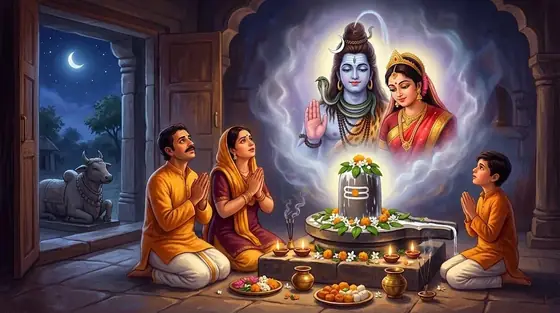
स्नान करके स्वच्छ वस्त्र पहनें, शिवलिंग या शिव के चित्र के सामने दीपक जलाएँ और जल, बेलपत्र या पुष्प अर्पित करें। फलश्रुति के अनुसार इसका पाठ शिव-पूजा के अन्त में किया जाता है, इसलिए पूजा, अभिषेक या आरती पूरी करके फिर स्तोत्र पढ़ें।
इसके समास लम्बे हैं और लय तेज़ है, इसलिए आरम्भ में धीरे-धीरे, एक-एक पंक्ति अर्थ के साथ पढ़ें; उच्चारण सध जाने पर इसे लय में गाया जा सकता है। पाठ के अन्त में 'ॐ नमः शिवाय' का जप और शिव से क्षमा-प्रार्थना करने की परम्परा है।
Bathe, put on clean clothes, light a lamp before a Shivling or an image of Shiva, and offer water, bel leaves or flowers. The phalashruti places the reading at the close of Shiva's worship, so finish the puja, abhishek or aarti first and then read the hymn.
The compounds are long and the rhythm is quick, so at first read slowly, one line at a time with its meaning; once the pronunciation is steady the hymn can be chanted to its beat. The custom is to end with the japa of ॐ Namah Shivaya and a prayer to Shiva for forgiveness of any fault.
महत्व और फलMeaning and fruit
इस स्तोत्र के केन्द्र में शिव का ताण्डव है: वह नृत्य जिसमें संहार और सृष्टि दोनों साथ चलते हैं। स्तोत्र बार-बार याद दिलाता है कि जिन शिव ने कामदेव, त्रिपुर, अन्धकासुर और यमराज तक का अन्त किया, वही भक्त पर कृपा-दृष्टि से कठिन विपत्ति रोक देते हैं। इसलिए इसे साहस, मन की दृढ़ता और भय से छुटकारे की कामना से पढ़ा जाता है।
बारहवाँ श्लोक इसका सबसे गहरा भाग है: पत्थर और शय्या, मित्र और शत्रु, तिनके और सुन्दरी को एक समान देखने वाला मन। फलश्रुति कहती है कि नित्य पाठ करने वाला शुद्ध होता है और शिव की सच्ची भक्ति पाता है, और प्रदोष पर पूजा के अन्त में पढ़ने वाले को शम्भु स्थिर लक्ष्मी देते हैं। परम्परा में इसे भक्ति और समृद्धि, दोनों की कामना से पढ़ा जाता है।
At the centre of the hymn is Shiva's tandava, the dance in which destruction and creation move together. Again and again the hymn recalls that the Shiva who ended the god of love, Tripura, Andhaka and even Yama is the same Shiva whose merciful glance holds back hard calamity from the devotee. That is why it is read for courage, firmness of mind and freedom from fear.
The twelfth shloka is its deepest part: a mind that sees a stone and a bed, friend and foe, a blade of grass and a beauty, as one. The phalashruti says that the one who reads it daily becomes pure and gains true devotion to Shiva, and that Shambhu grants a steady fortune to the one who reads it at the close of worship on Pradosh. By tradition it is read for both devotion and prosperity.
कब पढ़ेंWhen to read
प्रदोष के दिन संध्या की शिव-पूजा के अन्त में, जैसा इसकी फलश्रुति कहती है; महाशिवरात्रि की रात्रि-पूजा में; हर सोमवार और पूरे श्रावण मास में। नित्य पाठ भी किया जा सकता है, प्रातः स्नान के बाद या संध्या को दीपक जलाकर।On Pradosh, at the close of the evening worship of Shiva, as its own phalashruti says; in the night worship of Mahashivratri; on every Monday and through the month of Shravan. It can also be read daily, in the morning after bathing or in the evening with a lamp lit.
कुंडली मेंIn your kundli
ज्योतिष में शिव चन्द्रमा और शनि, दोनों से जुड़े हैं: चन्द्रमा उनके मस्तक पर है, और शनि के कष्ट में शिव-उपासना सबसे पुराने उपायों में गिनी जाती है। कुंडली में चन्द्रमा के नीच (वृश्चिक), क्षीण या राहु-केतु-शनि से पीड़ित होने पर, चन्द्र या शनि की महादशा-अन्तर्दशा में, और शनि की साढ़ेसाती या ढैया में शिवताण्डवस्तोत्र का पाठ, विशेषकर प्रदोष और सोमवार को, बताया जाता है। इसकी तेज़ लय और ताण्डव का भाव उन समयों में भी पढ़ा जाता है जब मन भय, निराशा या अस्थिरता से घिरा हो। अपनी कुंडली इसी साइट पर बनाकर देखी जा सकती है कि चन्द्रमा और शनि कहाँ हैं और कौन-सी दशा चल रही है।In Jyotish Shiva is linked to both the Moon and Saturn: the Moon rests on his head, and the worship of Shiva counts among the oldest remedies for Saturn's hardships. When the Moon is debilitated (in Scorpio), waning or afflicted by Rahu, Ketu or Saturn in the kundli, in a Moon or Saturn mahadasha or antardasha, and during Saturn's sade sati or dhaiya, the reading of the Shiv Tandav Stotram is prescribed, especially on Pradosh and on Mondays. Its driving rhythm and the spirit of the tandava are also turned to when the mind is gripped by fear, gloom or restlessness. You can build your kundli on this site and see where the Moon and Saturn stand and which dasha is running.
ग्रह: Grahas: चन्द्रMoon, शनिSaturn
अपनी कुंडली में देखेंCheck it in your kundliप्रश्नोत्तरQuestions people ask
- शिवताण्डवस्तोत्र किसने लिखा?Who wrote the Shiv Tandav Stotram?
- यह परम्परा से रावण की रचना माना जाता है। गीता प्रेस के पाठ के अन्त में 'श्रीरावणकृतं' लिखा है और अन्तिम श्लोक इसे 'दशवक्त्रगीत', यानी दस मुख वाले रावण का गाया हुआ, कहता है। लोक-कथा के अनुसार रावण ने कैलास उठाने के प्रयास के बाद शिव को प्रसन्न करने के लिए इसे गाया था।It is traditionally attributed to Ravana. The Gita Press text closes by naming Ravana as its composer, and the last shloka calls it dashavaktra-gita, the song of the ten-headed Ravana. A popular story says Ravana sang it to win Shiva's favour after trying to lift Mount Kailash.
- शिव तांडव स्तोत्र कब और कितनी बार पढ़ना चाहिए?When, and how many times, should the Shiv Tandav Stotram be read?
- फलश्रुति स्वयं प्रदोष के दिन पूजा के अन्त में इसका पाठ बताती है। महाशिवरात्रि, सोमवार और श्रावण मास में भी इसे पढ़ा जाता है। एक बार का शुद्ध, ध्यान से किया गया पाठ पर्याप्त है; कुछ भक्त तीन, पाँच या ग्यारह बार पढ़ते हैं, पर कोई संख्या बँधी नहीं है।The phalashruti itself names Pradosh, at the close of worship. It is also read on Mahashivratri, on Mondays and through Shravan. One careful, correctly pronounced reading is enough; some devotees read it three, five or eleven times, but no count is fixed.
- शिव तांडव स्तोत्र पढ़ने के क्या लाभ हैं?What are the benefits of reading the Shiv Tandav Stotram?
- फलश्रुति के अनुसार नित्य पाठ करने वाला शुद्ध होता है और शिव की सच्ची भक्ति पाता है, और प्रदोष पर पढ़ने वाले को शम्भु स्थिर लक्ष्मी देते हैं। परम्परा में इसे भय दूर करने, मन को दृढ़ करने और चन्द्रमा व शनि के कष्ट के समय शिव-उपासना के रूप में पढ़ा जाता है।The phalashruti says that the one who reads it daily becomes pure and gains true devotion to Shiva, and that Shambhu grants a steady fortune to the one who reads it on Pradosh. By tradition it is read to drive away fear, to steady the mind, and as worship of Shiva in times of trouble from the Moon or Saturn.
- क्या इसके पाठ के कोई नियम हैं, और कुछ पुस्तकों में श्लोक अधिक क्यों हैं?Are there rules for reading it, and why do some books have more shlokas?
- स्नान करके, स्वच्छ मन से, शिव-पूजा के बाद पढ़ना उचित माना जाता है, और उच्चारण शुद्ध रखने का प्रयास करना चाहिए; अर्थ समझकर पढ़ना सबसे अच्छा है। श्लोकों की संख्या संस्करणों में अलग-अलग है: गीता प्रेस में फलश्रुति सहित पन्द्रह हैं, कुछ पुस्तकों में दो और श्लोक जुड़े हैं। इस पृष्ठ पर गीता प्रेस का पाठ है।It is held proper to read it after bathing, with a clean mind and after the worship of Shiva, taking care over pronunciation; reading with the meaning is best. The count of shlokas differs between editions: Gita Press has fifteen with the phalashruti, and some books add two more. This page gives the Gita Press text.
साथ में पढ़ेंRead alongside
 स्तोत्र और कवचStotras and Kavachas
श्रीरुद्राष्टकम्
Shri Rudrashtakam
गोस्वामी तुलसीदास रचित शिव-स्तुति, रामचरितमानस के उत्तरकाण्ड से: आठ श्लोक और फलश्रुति, हर श्लोक के अर्थ सहितTulsidas's Sanskrit hymn to Shiva from the Uttarkand of the Ramcharitmanas: eight shlokas and the phalashruti, with the meaning of every shloka
 स्तोत्र और कवचStotras and Kavachas
शिवपञ्चाक्षरस्तोत्रम्
Shiv Panchakshar Stotram
'नागेन्द्रहाराय त्रिलोचनाय': 'नमः शिवाय' के पाँच अक्षरों पर पाँच श्लोक, फलश्रुति और हर श्लोक के अर्थ सहितNagendraharaya Trilochanaya: five verses on the five syllables of Namah Shivaya, with the closing verse of merit and the meaning of each
 चालीसाChalisas
श्री शिव चालीसा
Shiv Chalisa
अयोध्यादास रचित शिव की चालीस चौपाइयाँ, अर्थ सहितAyodhyadas's forty verses to Shiva, with the meaning of every line
 आरतीAartis
ॐ जय शिव ओंकारा
Om Jai Shiv Omkara
शिव जी की आरती, गीता प्रेस के श्रीआरती-संग्रह के पाठ से, अर्थ सहितThe Shiva aarti as printed in the Gita Press Aarti Sangrah, with the meaning of every stanza
 व्रत कथाVrat Kathas
प्रदोष व्रत कथा
Pradosh Vrat Katha
हर मास की दोनों त्रयोदशी की संध्या — प्रदोष काल में शिव पूजा, स्कंद पुराण की निर्धन ब्राह्मणी और विदर्भ के राजकुमार की कथा, व्रत विधि, और सोम, भौम, शनि प्रदोष का फलThe evening of every Trayodashi: Shiva's puja in the pradosh window, the Skanda Purana katha of the poor Brahmin widow and the prince of Vidarbha, the method of the fast, and the fruit of Som, Bhaum and Shani Pradosh
 व्रत कथाVrat Kathas
सोमवार व्रत कथा
Somvar Vrat Katha
भगवान शिव का सोमवार व्रत — साहूकार और उसके पुत्र की कथा, व्रत विधि और उद्यापनThe Monday fast for Lord Shiva: the moneylender's son, how to keep the fast, and the udyapan