विवाह पंचमी कथा और पूजा विधि
Vivah Panchami Katha and Puja Vidhi
श्रीराम और माता सीता के विवाह का दिन — जनकपुर, शिव का धनुष, सीता का स्वयंवर और विवाह की कथा, राम-सीता की पूजा विधि, और इस दिन विवाह न करने की परंपराThe day of the wedding of Shri Ram and Mata Sita: Janakpur, Shiva's bow, Sita's swayamvar and the wedding, how to worship Ram and Sita, and the tradition of not holding weddings on this day
2026 मेंIn 2026
सोमवार, 14 दिसंबर 2026Monday, 14 December 2026
मार्गशीर्ष शुक्ल पंचमी · 16:48 (13 दिसंबर 2026) से 19:16 (14 दिसंबर 2026) तकMargashirsha Shukla Panchami · from 16:48 on 13 December 2026 to 19:16 on 14 December 2026
- अपराह्न कालAparahna (afternoon)
- 13:16 – 15:19
PDF डाउनलोडDownload PDF
विवाह पंचमी मार्गशीर्ष शुक्ल पंचमी को मनाई जाती है। परंपरा में यह श्रीराम और माता सीता के विवाह का दिन है। इस दिन जनकपुर और अयोध्या के साथ-साथ देश भर के राम मंदिरों में राम-सीता का विवाह उत्सव होता है — मंडप सजता है, बारात निकलती है, मंगल गीत गाए जाते हैं और भगवान का विवाह उसी भाव से कराया जाता है जैसे घर की किसी संतान का।
यह पृष्ठ हमारे अपने शब्दों में लिखा गया है। इसमें पहले कथा है, फिर घर में राम-सीता की पूजा की विधि, इस दिन क्या पढ़ें, और अंत में उस परंपरा की बात जिसमें बहुत से परिवार इसी दिन अपने बच्चों का विवाह नहीं करते। कथा के भिन्न-भिन्न रूप मिलते हैं; यहाँ वह सार दिया गया है जो लोक में सबसे अधिक प्रचलित है।
Vivah Panchami is kept on Margashirsha Shukla Panchami. By tradition it is the day of the wedding of Shri Ram and Mata Sita. In Janakpur and Ayodhya, and in Ram temples across the country, the wedding is celebrated: the mandap is decorated, a baraat goes out, mangal songs are sung and the Lord is married in the same spirit as a child of the house.
This page is written in our own words. It gives the story first, then how to worship Ram and Sita at home, what to read on the day, and finally the tradition by which many families do not hold their own children's weddings on this day. The story is told in several versions; what follows is the core that is most widely held.
विवाह पंचमी की कथाThe story of Vivah Panchami
मिथिला के राजा जनक धर्म और ज्ञान के लिए प्रसिद्ध थे। कहते हैं कि एक बार वे यज्ञ के लिए भूमि जोत रहे थे कि हल की नोक से लगी एक पेटी में उन्हें एक नन्ही कन्या मिली। हल की फाल को संस्कृत में सीता कहते हैं, इसलिए कन्या का नाम सीता पड़ा। जनक और उनकी रानी ने उसे अपनी पुत्री की तरह पाला, और वह जानकी, वैदेही और मैथिली के नामों से भी जानी गई। जनकपुर का राजमहल उसके बचपन से गूँजता रहा।
जनक के महल में एक बहुत भारी धनुष रखा था, जिसे परंपरा में भगवान शिव का धनुष कहा जाता है। उसे कई मनुष्य मिलकर भी हिला नहीं पाते थे, और उसके लिए अलग पूजा का स्थान था। कथा है कि बचपन में सीता ने खेल-खेल में उस धनुष को एक ओर सरका दिया और उसके नीचे की जगह साफ़ कर ली। यह देखकर जनक चकित रह गए। उन्होंने मन में प्रण किया कि जो वीर इस धनुष को उठाकर उस पर प्रत्यंचा चढ़ा सकेगा, उसी के साथ वे अपनी पुत्री का विवाह करेंगे।
सीता बड़ी हुईं तो जनक ने स्वयंवर की घोषणा की। दूर-दूर के राजा और राजकुमार जनकपुर आए। सभा सजी, धनुष को सभा के बीच लाया गया, और एक-एक करके वीर आगे बढ़े। कोई उसे हिला भी न सका, किसी के हाथ से वह फिसल गया, और कुछ लज्जित होकर लौट गए। जनक का मन खिन्न हो गया, और उनके मुँह से निराशा के शब्द निकल पड़े कि क्या यह धरती वीरों से खाली हो गई है।
उसी समय महर्षि विश्वामित्र दो राजकुमारों के साथ सभा में उपस्थित थे। ये अयोध्या के राजा दशरथ के पुत्र राम और लक्ष्मण थे, जिन्हें विश्वामित्र अपने यज्ञ की रक्षा के लिए लाए थे और जनकपुर के मार्ग में आगे बढ़ाते आए थे। इससे पहले, जनक की वाटिका में राम और सीता एक-दूसरे को देख चुके थे और दोनों के मन में आदर और अनुराग जगा था — लोक-कथाओं में यह वाटिका का प्रसंग बड़े प्रेम से गाया जाता है।
गुरु की आज्ञा पाकर राम धीरे से उठे और धनुष की ओर बढ़े। उन्होंने उसे सहज भाव से उठाया और जैसे ही उस पर प्रत्यंचा चढ़ाने के लिए ज़ोर लगाया, धनुष बीच से टूट गया। उसकी ध्वनि से सारी सभा गूँज उठी। जनक की चिंता मिट गई, और सीता ने जयमाला राम के गले में डाली। पूरी सभा में हर्ष की लहर दौड़ गई और नगर में मंगल-गान होने लगे।
जनक ने तुरंत अयोध्या दूत भेजे और राजा दशरथ को सब समाचार दिया। दशरथ अपने परिवार, मंत्रियों और बड़ी बारात के साथ जनकपुर पहुँचे। वहाँ दोनों राजाओं और उनके कुलगुरुओं ने कुलों की परंपरा का स्मरण किया, और विवाह के लिए शुभ घड़ी तय हुई। जनक के छोटे भाई की कन्याएँ भी थीं, और राजा ने चारों राजकुमारों के लिए अपने परिवार की चारों कन्याओं का प्रस्ताव रखा। इस प्रकार राम के साथ सीता, लक्ष्मण के साथ उर्मिला, भरत के साथ माण्डवी और शत्रुघ्न के साथ श्रुतकीर्ति का विवाह एक ही मंडप में हुआ।
जनकपुर में कई दिन उत्सव रहा। नगर की स्त्रियों ने मंगल गीत गाए, बारातियों का स्वागत हुआ और हँसी-ठिठोली के गीत भी चले। मिथिला की परंपरा में आज भी विवाह के गीतों में राम को दामाद की तरह छेड़ा जाता है, और जनकपुर की स्त्रियाँ बारातियों को प्रेम से उलाहने देती हैं। विदाई के समय जनक ने अपनी पुत्री को बड़े स्नेह से समझाया, और सीता अपने पति के साथ अयोध्या के लिए चलीं।
आगे का जीवन राम और सीता के लिए कठिन रहा — वनवास, वियोग और परीक्षा। फिर भी लोक की श्रद्धा में उनका विवाह आदर्श दांपत्य का प्रतीक है: एक-दूसरे के प्रति मर्यादा, निष्ठा और त्याग। इसीलिए विवाह पंचमी पर लोग उसी जोड़ी की पूजा करते हैं जिसमें पति-पत्नी साथ चलने का वचन निभाते हैं।
King Janaka of Mithila was known for dharma and wisdom. It is told that once, as he was ploughing a field for a sacrifice, the point of the plough struck a casket and in it he found a tiny girl. The ploughshare is called sita in Sanskrit, and so the child was named Sita. Janaka and his queen raised her as their own daughter, and she is also known as Janaki, Vaidehi and Maithili. The palace of Janakpur rang with her childhood.
In Janaka's palace lay a very heavy bow, which tradition calls the bow of Lord Shiva. Many men together could not shift it, and it had a place of its own for worship. The story goes that as a child Sita, in play, moved the bow aside and cleaned the ground beneath it. Janaka was astonished. In his heart he made a vow: the hero who could lift this bow and string it would be the one to whom he would give his daughter in marriage.
When Sita grew up, Janaka announced a swayamvar. Kings and princes came to Janakpur from far and wide. The assembly was set, the bow was brought to its centre, and one hero after another stepped forward. Some could not even stir it, from one it slipped out of the hands, and a few went back in shame. Janaka grew sad, and words of despair escaped him: had the earth been emptied of heroes?
At that moment the sage Vishwamitra was in the assembly with two young princes. They were Ram and Lakshman, sons of King Dasharatha of Ayodhya, whom Vishwamitra had brought to guard his sacrifice and had led onward to Janakpur. Before this, in Janaka's garden, Ram and Sita had seen each other, and respect and love had stirred in both; folk tellings sing this garden scene with great tenderness.
With his guru's leave Ram rose quietly and went to the bow. He lifted it with ease, and as he bent it to string it with force, the bow broke in the middle. The whole assembly rang with the sound. Janaka's worry was gone, and Sita placed the garland of victory around Ram's neck. A wave of joy ran through the hall, and the city broke into songs of celebration.
Janaka at once sent messengers to Ayodhya with the news for King Dasharatha. Dasharatha came to Janakpur with his family, his ministers and a great baraat. There the two kings and their family priests recalled the lineages of both houses, and an auspicious hour was fixed for the wedding. Janaka's younger brother also had daughters, and the king proposed that the four young daughters of his house be married to the four princes. So Sita was married to Ram, Urmila to Lakshman, Mandavi to Bharat and Shrutakirti to Shatrughna, in one mandap.
Celebrations went on in Janakpur for many days. The women of the city sang mangal songs, the baraat was welcomed, and teasing songs were sung as well. In the Mithila tradition, to this day wedding songs tease Ram as a son-in-law, and the women of Janakpur lovingly scold the baraatis. At the farewell Janaka advised his daughter with great affection, and Sita left for Ayodhya with her husband.
The life that followed was hard for Ram and Sita: exile, separation and trial. Even so, in the faith of the people their wedding is the sign of an ideal marriage, of respect, fidelity and sacrifice for each other. That is why on Vivah Panchami people worship the couple who kept their promise to walk together.
पूजा की विधिHow to worship Ram and Sita
तिथि और समय: विवाह पंचमी मार्गशीर्ष शुक्ल पंचमी को होती है, और पूजा के लिए दिन का अपराह्न काल लिया जाता है। इस वर्ष की तिथि और समय इसी पृष्ठ के ऊपर दिए पंचांग-बॉक्स में देख लें।
सामग्री: राम-सीता की मूर्ति, चित्र या राम-दरबार; चौकी और लाल या पीला वस्त्र; पीले और लाल फूल, माला; रोली, चंदन, अक्षत, हल्दी; धूप, घी का दीपक; तुलसी दल; पंचामृत; मौसमी फल और मिठाई; विवाह का शृंगार — सीता जी के लिए लाल चुनरी, बिंदी, चूड़ियाँ, सिंदूर, और राम जी के लिए पीला वस्त्र और मौली।
सजावट: आँगन या पूजा-स्थान को विवाह-मंडप की तरह सजाएँ। चौकी के चारों ओर केले के पत्ते या आम के पत्ते, फूल और रंगोली रखें। चौकी पर राम-सीता की मूर्ति या चित्र को पूर्व या उत्तर मुख रखें। एक कलश स्थापित करें और उस पर नारियल व आम के पत्ते रखें।
आरंभ: प्रातः स्नान करके स्वच्छ वस्त्र पहनें और हाथ में जल-अक्षत लेकर संकल्प करें कि हम श्रीराम-जानकी के विवाह का उत्सव श्रद्धा से मना रहे हैं। पहले गणेश जी का स्मरण करें। फिर राम-सीता को जल, पंचामृत और गंगाजल से स्नान कराएँ, साफ़ वस्त्र पहनाएँ। सीता जी को चुनरी, बिंदी, चूड़ियाँ और सिंदूर अर्पित करें; राम जी को पीला वस्त्र, चंदन का तिलक और माला पहनाएँ।
विवाह-विधि: पूजा के बाद दोनों के वस्त्रों को मौली से गठबंधन के रूप में जोड़ें। यदि सुविधा हो तो परिवार के बड़े लोग कन्यादान का भाव रखकर सीता जी को राम जी के समक्ष अर्पित करें। घर की स्त्रियाँ मंगल गीत और विवाह के गीत गाएँ। अनेक घरों में विवाह-पंचमी पर पंडित जी के साथ सांकेतिक फेरे भी कराए जाते हैं, और अनेक मंदिरों में बारात निकाली जाती है।
मंत्र और जप: 'ॐ श्री सीतारामाभ्यां नमः' और 'श्री राम जय राम जय जय राम' का जप करें। तुलसी दल राम जी को अर्पित किया जाता है, और भोग में मौसमी फल, पंचामृत और मिठाई रखी जाती है।
क्या पढ़ें: इस दिन रामचरितमानस के बालकांड में आए सीता-राम विवाह के प्रसंग का पाठ या श्रवण परंपरा में सबसे अधिक होता है। यदि पूरा प्रसंग पढ़ना कठिन हो तो उसका कथा-रूप सुन लें, या इसी पृष्ठ की कथा पढ़ें। चाहें तो राम चालीसा और राम की आरती का पाठ भी करें।
आरती और समापन: अंत में राम-सीता की आरती करें, भोग लगाएँ और प्रसाद सब में बाँटें। जो लोग व्रत रखते हैं, वे दिन भर फलाहार पर रहकर संध्या को पूजा के बाद अन्न ग्रहण करते हैं। पूजा के बाद अपने से बड़ों को प्रणाम करें और जोड़ों से एक-दूसरे का सम्मान करने का संकल्प लें।
Day and time: Vivah Panchami falls on Margashirsha Shukla Panchami, and for the puja the aparahna part of the day is taken. Check this year's tithi and time in the panchang box at the top of this page.
Things needed: an image, picture or Ram Darbar of Ram and Sita; a chauki and a red or yellow cloth; yellow and red flowers and a garland; roli, sandal, akshat, turmeric; incense and a ghee lamp; tulsi leaves; panchamrit; seasonal fruit and sweets; wedding finery, a red chunari, bindi, bangles and sindoor for Sita, and yellow cloth and mauli thread for Ram.
Decoration: dress the courtyard or the place of worship like a wedding mandap. Set banana leaves or mango leaves, flowers and rangoli around the chauki. Place the image of Ram and Sita on the chauki facing east or north. Set up a kalash with a coconut and mango leaves on it.
Beginning: bathe in the morning, put on clean clothes, and with water and akshat in the hand make the sankalp that you are celebrating the wedding of Shri Ram and Janaki with devotion. First remember Ganesha. Then bathe Ram and Sita with water, panchamrit and Ganga water and dress them in clean cloth. Offer the chunari, bindi, bangles and sindoor to Sita; dress Ram in yellow cloth with a sandal mark and a garland.
The wedding: after the puja, tie the garments of the two together with mauli as the gathbandhan. If it can be done, the elders of the family may offer Sita to Ram with the feeling of kanyadaan. The women of the house sing mangal songs and wedding songs. In many homes symbolic pheras are made with a priest on Vivah Panchami, and in many temples a baraat goes out.
Mantra and japa: chant 'Om Shri Sitaramabhyam Namah' and 'Shri Ram Jai Ram Jai Jai Ram'. Tulsi leaves are offered to Ram, and the bhog is seasonal fruit, panchamrit and sweets.
What to read: on this day the most common reading in the tradition is the wedding of Sita and Ram in the Bal Kand of the Ramcharitmanas, read or heard. If the whole passage is hard to read, listen to a retelling of it, or read the story on this page. You may also read the Ram Chalisa and sing the aarti of Ram.
Aarti and close: at the end do the aarti of Ram and Sita, offer the bhog, and share the prasad with everyone. Those who keep the fast live on fruit during the day and take grain in the evening after the puja. After the puja bow to your elders, and let couples resolve to honour one another.
इस दिन विवाह न करने की परंपराThe tradition of not holding weddings on this day
एक बात जानना ज़रूरी है: बहुत से परिवार, विशेषकर मिथिला और उसके आस-पास के क्षेत्रों में, इसी दिन अपनी बेटी या बेटे का विवाह नहीं कराते। यह भाव लोक में चला आया है कि सीता जी को विवाह के बाद वनवास, वियोग और परीक्षा का कठिन जीवन मिला, और लोग नहीं चाहते कि उनकी संतान का विवाह उसी तिथि पर हो जिस पर इतनी कठिन कथा का आरंभ हुआ।
यह सबके लिए नियम नहीं है। कई घरों और क्षेत्रों में इसे विवाह के लिए शुभ मानकर इसी दिन विवाह किए जाते हैं, और विवाह-पंचमी का मुहूर्त पंचांग में भी शुभ गिना जाता है। जिन परिवारों में यह परंपरा है, वे इसे श्रद्धा से मानते हैं; जिनमें नहीं है, वे नहीं मानते। इसलिए अपने कुल की रीति और अपने पंडित की सलाह देखकर निर्णय लें। इस विषय में न किसी को डराने की ज़रूरत है और न किसी की रीति को छोटा मानने की।
One thing is worth knowing: many families, especially in Mithila and the regions around it, do not hold the wedding of their own daughter or son on this day. The feeling has come down among the people that Sita, after her marriage, had a hard life of exile, separation and trial, and they do not want their child's wedding to fall on the same tithi on which so hard a story began.
This is not a rule for everyone. In many homes and regions the day is held auspicious for weddings and weddings are held on it, and the muhurta of Vivah Panchami is counted as auspicious in the panchang. Families that have this tradition keep it with devotion; those that do not, do not. So decide by your family's custom and your own pandit's advice. There is no need to frighten anyone in this matter, nor to think any family's custom lesser.
महत्व और फलMeaning and fruit
परंपरा के अनुसार विवाह पंचमी पर राम-सीता की पूजा करने से दांपत्य में प्रेम, समझ और मर्यादा बनी रहती है, और जिनके विवाह में बाधा या देरी हो, उनके लिए यह पूजा उपाय रूप में बताई जाती है। इसे सिद्धि या गारंटी की तरह नहीं, बल्कि एक आदर्श के सामने बैठकर अपने संबंधों को देखने के अवसर की तरह लेना अधिक उचित है।
यह दिन उन सभी के लिए है जो अपने रिश्तों में श्रद्धा, धैर्य और एक-दूसरे के सम्मान को स्थान देना चाहते हैं — चाहे विवाह हो चुका हो, होना हो, या अभी दूर हो।
By tradition, worshipping Ram and Sita on Vivah Panchami keeps love, understanding and propriety in married life, and for those whose marriage is obstructed or delayed the puja is given as a remedy. It is better taken not as a guarantee, but as a chance to look at one's own relationships while sitting before an ideal.
The day is for all who want to give faith, patience and mutual respect a place in their relationships, whether they are married, are to be married, or find marriage still far off.
कब पढ़ेंWhen to read
यह कथा विवाह पंचमी के दिन राम-सीता की पूजा के समय, आरती से पहले पढ़ी या सुनी जाती है। विवाह-संबंधी बाधा में पंचमी के अतिरिक्त गुरुवार और शुक्रवार को भी इसका पाठ किया जाता है।This katha is read or heard on Vivah Panchami at the time of the puja of Ram and Sita, before the aarti. For obstacles in marriage it is also read on Thursdays and Fridays.
कुंडली मेंIn your kundli
कुंडली में विवाह मुख्यतः सप्तम भाव, उसके स्वामी और कारक ग्रहों से देखा जाता है। शुक्र प्रेम, दांपत्य-सुख और पुरुष की कुंडली में पत्नी का कारक है, और बृहस्पति स्त्री की कुंडली में पति तथा विवाह के समय का। विवाह का समय दशा, अंतर्दशा और गोचर के संयोग से देखा जाता है। यदि शुक्र या बृहस्पति नीच, अस्त या पाप ग्रहों से पीड़ित हों, या सप्तम भाव और सप्तमेश कमज़ोर हों, तो विवाह में देरी या दांपत्य में खिंचाव की संभावना परंपरा में बताई गई है, और राम-सीता की पूजा को उपाय माना जाता है। यह केवल संकेत है, निश्चित फल नहीं; कुंडली के सभी योगों को साथ देखना होता है। आप इसी साइट पर अपनी कुंडली बनाकर शुक्र, बृहस्पति और सप्तम भाव की स्थिति देख सकते हैं, और विवाह के लिए दो कुंडलियों का मिलान साइट के कुंडली मिलान में कर सकते हैं।In the kundli marriage is read mainly from the seventh house, its lord and the significator planets. Venus stands for love, married happiness and, in a man's chart, the wife; Jupiter, in a woman's chart, for the husband and for the timing of marriage. The time of marriage is read from the dasha, antardasha and transits together. If Venus or Jupiter is debilitated, combust or afflicted by malefics, or if the seventh house and its lord are weak, the tradition speaks of delay in marriage or strain in married life, and the worship of Ram and Sita is given as a remedy. This is only an indication, not a fixed result; all the yogas of the chart must be read together. Build your kundli on this site to see your Venus, your Jupiter and your seventh house, and use the site's Kundli Milan to match two charts before a marriage.
ग्रह: Grahas: शुक्रVenus, बृहस्पतिJupiter
अपनी कुंडली में देखेंCheck it in your kundliप्रश्नोत्तरQuestions people ask
- विवाह पंचमी कब मनाई जाती है?When is Vivah Panchami kept?
- विवाह पंचमी मार्गशीर्ष शुक्ल पंचमी को मनाई जाती है, जो परंपरा में श्रीराम और माता सीता के विवाह का दिन है। पूजा के लिए दिन का अपराह्न काल लिया जाता है। इस वर्ष की ठीक तिथि और समय इसी पृष्ठ के पंचांग-बॉक्स में देख लें।Vivah Panchami is kept on Margashirsha Shukla Panchami, which by tradition is the day of the wedding of Shri Ram and Mata Sita. The aparahna part of the day is taken for the puja. Check this year's exact date and time in the panchang box on this page.
- विवाह पंचमी पर विवाह क्यों नहीं करते?Why do many people not marry on Vivah Panchami?
- लोक-मान्यता है कि सीता जी को विवाह के बाद वनवास और वियोग का कठिन जीवन मिला, इसलिए कई परिवार, विशेषकर मिथिला क्षेत्र में, इस दिन अपने बच्चों का विवाह नहीं करते। यह सबके लिए नियम नहीं है; अनेक घरों में इसे शुभ मानकर विवाह भी होते हैं। अपने कुल की रीति और पंडित की सलाह से निर्णय लें।The popular belief is that Sita had a hard life of exile and separation after her marriage, so many families, especially in the Mithila region, do not marry their children on this day. It is not a rule for everyone; in many homes weddings are held on it as an auspicious day. Decide by your family's custom and your pandit's advice.
- विवाह पंचमी पर क्या पढ़ें?What should be read on Vivah Panchami?
- परंपरा में इस दिन रामचरितमानस के बालकांड में आए सीता-राम विवाह के प्रसंग का पाठ या श्रवण सबसे अधिक होता है। इसके साथ राम चालीसा, राम की आरती और 'श्री राम जय राम जय जय राम' का जप किया जा सकता है। इसी पृष्ठ की कथा पढ़ना भी पर्याप्त है।In the tradition the most common reading on this day is the passage on the wedding of Sita and Ram in the Bal Kand of the Ramcharitmanas, read or heard. With it you may read the Ram Chalisa, sing the aarti of Ram and chant 'Shri Ram Jai Ram Jai Jai Ram'. Reading the story on this page is enough as well.
- क्या विवाह पंचमी की पूजा से विवाह की बाधा दूर होती है?Does the Vivah Panchami puja remove obstacles to marriage?
- परंपरा में विवाह में देरी या बाधा के लिए राम-सीता की पूजा उपाय रूप में बताई जाती है, पर इसकी कोई गारंटी नहीं दी जा सकती। विवाह का समय कुंडली में शुक्र, बृहस्पति, सप्तम भाव और दशा से देखा जाता है। पूजा के साथ अपनी कुंडली की स्थिति भी देख लेना उचित है।The tradition gives the worship of Ram and Sita as a remedy for delay or obstacles in marriage, but no guarantee can be given. The timing of marriage is read in the kundli from Venus, Jupiter, the seventh house and the dasha. It is wise to look at the condition of your own chart along with the puja.
साथ में पढ़ेंRead alongside
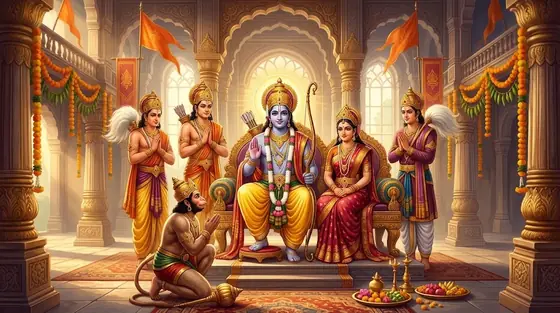 चालीसाChalisas
श्री राम चालीसा
Ram Chalisa
"श्री रघुवीर भक्त हितकारी" से आरम्भ होने वाली राम चालीसा, हर चौपाई और दोहे के अर्थ सहितThe Ram Chalisa that begins "Shri Raghuvir bhakt hitkari", with the meaning of every chaupai and doha
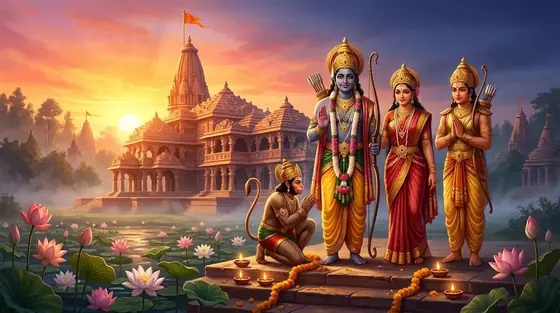 स्तोत्र और कवचStotras and Kavachas
श्रीरामचन्द्र कृपालु भजु मन (श्रीराम-स्तुति)
Shri Ramchandra Kripalu (Shri Ram Stuti)
गोस्वामी तुलसीदास रचित श्रीराम-स्तुति, गौरी के आशीर्वाद और सोरठा सहित, अर्थ के साथTulsidas's hymn to Rama, with Gauri's blessing to Sita and the closing sortha, and the meaning of every verse
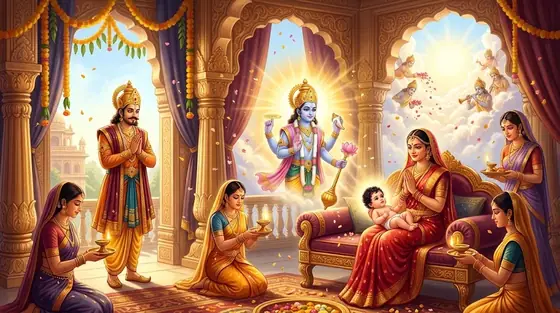 स्तोत्र और कवचStotras and Kavachas
भए प्रगट कृपाला (श्रीराम-जन्म स्तुति)
Bhaye Pragat Kripala (Ram Janm Stuti)
रामचरितमानस के बालकाण्ड से श्रीराम के प्रकट होने की स्तुति, गोस्वामी तुलसीदास रचित, चारों छन्दों के अर्थ सहितTulsidas's hymn of Rama's appearance before Kausalya, from the Balkand of the Ramcharitmanas, with the meaning of all four chhands
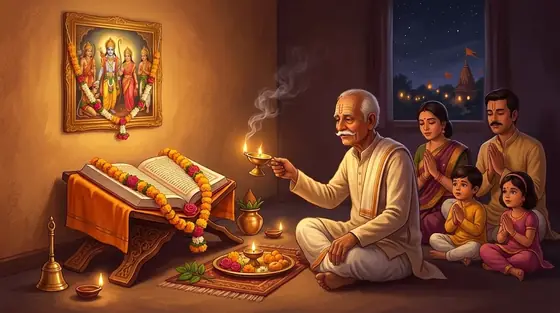 आरतीAartis
आरती श्री रामायण जी की
Aarti Shri Ramayan Ji Ki
श्री रामायण जी की आरती, गीता प्रेस के पाठ से, हर पद के अर्थ सहितThe aarti of the Ramayana in the Gita Press reading, with the meaning of every stanza
 पूजा विधिPuja Vidhis
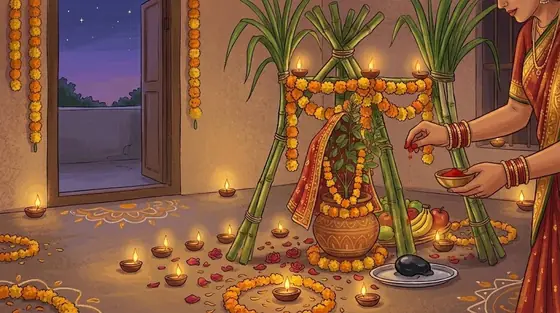
तुलसी विवाह पूजा विधि और कथा
Tulsi Vivah Puja Vidhi and Katha
कार्तिक शुक्ल द्वादशी का तुलसी विवाह — वृंदा और जलंधर की कथा, शालिग्राम का रहस्य, गन्ने के मंडप में सात फेरों की पूरी विधि और घर में तुलसी के नियमTulsi Vivah on Kartik Shukla Dwadashi: the story of Vrinda and Jalandhar, how Vishnu became the Shaligram, the full wedding under the sugarcane mandap, and the rules of keeping Tulsi at home