श्री सत्यनारायण व्रत कथा
Shri Satyanarayan Vrat Katha
स्कंद पुराण के रेवा खंड की पाँच अध्याय की कथा — नारद का प्रश्न, काशी का निर्धन ब्राह्मण और लकड़हारा, साधु वणिक और कलावती, राजा तुंगध्वज — अपने शब्दों में, पूजा विधि, सामग्री, प्रसाद और उद्यापन के साथThe five-chapter katha of the Reva Khanda of the Skanda Purana: Narada's question, the poor Brahmin of Kashi and the woodcutter, the merchant Sadhu and Kalavati, King Tungadhwaja, retold in our own words with the puja method, samagri, prasad and udyapan
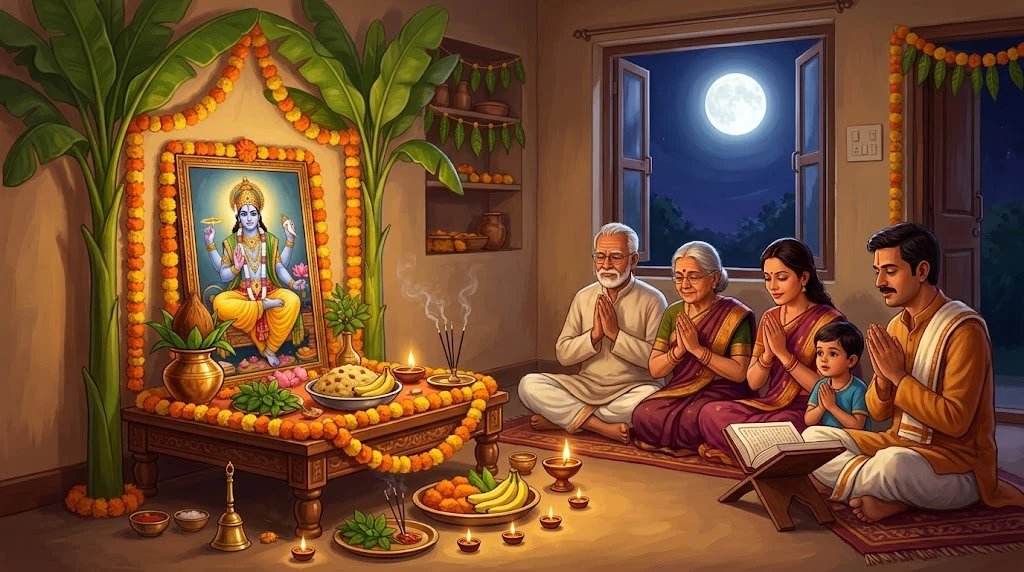
अगला व्रतNext fast
सोमवार, 26 अक्टूबर 2026Monday, 26 October 2026
पूर्णिमाPurnima
आश्विन पूर्णिमा · 11:56 (25 अक्टूबर 2026) से 09:41 (26 अक्टूबर 2026) तकAshwin Purnima · from 11:56 on 25 October 2026 to 09:41 on 26 October 2026
आगे की तिथियाँDates after that
- मंगलवार, 24 नवंबर 2026Tuesday, 24 November 2026पूर्णिमाPurnima
- बुधवार, 23 दिसंबर 2026Wednesday, 23 December 2026पूर्णिमाPurnima
- शुक्रवार, 22 जनवरी 2027Friday, 22 January 2027पूर्णिमाPurnima
PDF डाउनलोडDownload PDF
सत्यनारायण व्रत घर-घर में होने वाली सबसे प्रिय पूजाओं में से है। पूर्णिमा की संध्या हो, नए घर में प्रवेश हो, विवाह या किसी मनोकामना के पूरे होने का अवसर हो — परिवार केले के खंभों से सजी चौकी पर भगवान सत्यनारायण को बिठाता है, पूजा करता है, पाँच अध्याय की कथा सुनता है, आरती गाता है और सबको प्रसाद बाँटता है। सत्यनारायण भगवान विष्णु का वह रूप है जिसमें वे स्वयं सत्य हैं। यह कथा परंपरा से स्कंद पुराण के रेवा खंड की मानी जाती है, जिसमें सूत जी नैमिषारण्य में ऋषियों को वह व्रत सुनाते हैं जो भगवान विष्णु ने नारद को बताया था; इसका कोई एक लेखक ज्ञात नहीं, यह पुराण की परंपरा से आई है।
इस पृष्ठ पर पूरी कथा पाँचों अध्यायों में है — पुराण के क्रम और पात्रों के अनुसार, पर हमारे अपने सरल शब्दों में, किसी छपी पुस्तक से नकल किए बिना। साथ में कथा का सीधा संदेश, पूजा की पूरी विधि और सामग्री, प्रसाद बनाने का तरीका, यह पूजा कब करें, और कई पूर्णिमाओं के संकल्प का उद्यापन दिया गया है। कथा के बाद गाई जाने वाली आरती 'ॐ जय लक्ष्मी रमणा' अपने अलग पृष्ठ पर है। अगली पूर्णिमा की तिथियाँ पंचांग से इस पृष्ठ के ऊपर दिखाई गई हैं, और साइन-इन करके कथा का PDF मुफ़्त डाउनलोड किया जा सकता है।
The Satyanarayan vrat is among the most loved pujas of the Hindu home. On the evening of a Purnima, on moving into a new house, at a wedding or when a wish has come true, the family seats Lord Satyanarayan on a chowki decorated with banana stems, does the puja, hears the katha in five chapters, sings the aarti and shares prasad with everyone present. Satyanarayan is the form of Vishnu who is Truth itself. By tradition the katha belongs to the Reva Khanda of the Skanda Purana, where Suta tells the sages at Naimisharanya the vow that Vishnu taught to Narada; no single author is known, it comes down through the Puranic tradition.
This page gives the whole katha in its five chapters, in the order and with the characters of the Purana, but in our own plain words and not copied from any printed book. With it come the plain message of the story, the full method of the puja and its samagri, how the prasad is made, when the puja is done, and the udyapan that closes a vow of many Purnimas. The aarti sung after the katha, 'Om Jai Lakshmi Ramana', has its own page. The next Purnima dates, computed from the panchang, are shown above the text, and the katha can be downloaded as a free PDF after signing in.
व्रत का परिचयAbout the vrat
सत्यनारायण का अर्थ है वह नारायण जो सत्य है। इस व्रत में कोई कठोर उपवास या लंबा अनुष्ठान आवश्यक नहीं; कथा स्वयं कहती है कि यह कलियुग का सरल उपाय है, जिसे कोई भी, किसी भी दिन, भक्ति और श्रद्धा से कर सकता है। घर में केले के खंभों या सजी चौकी पर भगवान का आसन बनता है, कलश स्थापित होता है, पूजा के बाद पाँच अध्याय की कथा सुनी जाती है, फिर आरती और प्रसाद। परिवार, पड़ोसी और मित्र साथ बैठते हैं, और प्रसाद जितने अधिक लोगों तक पहुँचे, उतना शुभ माना जाता है।
कथा में सूत जी नैमिषारण्य में शौनक आदि ऋषियों को वह व्रत सुनाते हैं जो भगवान विष्णु ने नारद को बताया था। पाँच अध्यायों में तरह-तरह के लोग आते हैं — एक निर्धन ब्राह्मण, एक लकड़हारा, एक धर्मात्मा राजा, एक धनी व्यापारी और उसका परिवार, और वन में ग्वालों के पास से गुज़रता एक अभिमानी राजा — मानो यह कहने के लिए कि यह व्रत किसी एक वर्ग का नहीं, सबका है।
कथा को सीधे पढ़ें तो यह डर दिखाकर पूजा कराने की कथा नहीं है। इसमें जो भी कष्ट आता है, वह किसी टूटे वचन या किसी अभिमानी इनकार के बाद आता है, और जैसे ही मनुष्य लौटकर अपनी भूल मानता है, वह कष्ट दूर हो जाता है। इसके दो सीधे संदेश हैं: जो वचन दिया है, उसे निभाओ; और जो प्रसाद प्रेम से दिया जाए — चाहे किसी लकड़हारे के घर का हो या वन में ग्वालों का — उसका अनादर न करो। सत्यनारायण नाम ही बताता है कि अपने कहे पर टिके रहना, यानी सत्य, स्वयं भगवान का रूप है।
Satyanarayan means the Narayana who is Truth. The vow asks for no hard fast and no long ritual; the katha itself says it is the simple remedy of the Kali Yuga, which anyone may keep on any day with devotion and faith. At home a seat for the Lord is made on a chowki framed with banana stems or decorated, a kalash is set up, and after the puja the katha in five chapters is heard, then the aarti and the prasad. Family, neighbours and friends sit together, and the more people the prasad reaches, the more auspicious it is held to be.
In the katha Suta tells Shaunaka and the other sages at Naimisharanya the vow that Vishnu taught to Narada. All kinds of people pass through its five chapters: a poor Brahmin, a woodcutter, a righteous king, a rich merchant and his family, and a proud king riding past cowherds in the forest, as if to say that the vow belongs to no one class but to everyone.
Read plainly, this is not a story of a god who frightens people into worship. Every hardship in it comes after a broken promise or a proud refusal, and it lifts as soon as the person turns back and owns the mistake. Its two plain messages are these: keep the word you have given; and do not scorn prasad offered with love, whether it comes from a woodcutter's house or from cowherds in the forest. The name Satyanarayan itself says that standing by one's word, satya, is a form of the Lord.
पहला अध्याय — नारद का प्रश्नChapter one: Narada's question
एक समय नैमिषारण्य में शौनक आदि ऋषियों ने सूत जी से पूछा, 'कलियुग में मनुष्य के पास न लंबे तप का समय है, न बड़े यज्ञ का साधन। ऐसा कौन-सा व्रत है जिससे वह मनचाहा फल पा सके?' सूत जी बोले, 'यही प्रश्न एक बार देवर्षि नारद ने भगवान विष्णु से पूछा था। भगवान ने जो उत्तर दिया, वही मैं आपको सुनाता हूँ।'
नारद मुनि लोकों में विचरते हुए मृत्युलोक में आए। वहाँ उन्होंने देखा कि मनुष्य अपने-अपने कर्मों के कारण अनेक योनियों में जन्म लेकर दुःख पा रहे हैं — कोई रोग से, कोई दरिद्रता से, कोई चिंता से। करुणा से भरकर नारद सोचने लगे कि इनका दुःख किस उपाय से दूर हो। वे विष्णुलोक गए, जहाँ भगवान शंख, चक्र, गदा और पद्म धारण किए, वनमाला पहने विराजमान थे, और उनकी स्तुति की। भगवान ने पूछा, 'मुनि, किस काम से आए हो?' नारद ने कहा, 'प्रभु, पृथ्वी पर लोग बहुत दुःखी हैं। कोई ऐसा सरल उपाय बताइए जिससे थोड़े प्रयत्न में उनका दुःख दूर हो।'
भगवान प्रसन्न होकर बोले, 'तुमने लोगों के हित में प्रश्न किया है, इसलिए सुनो। एक व्रत है जो स्वर्ग और पृथ्वी दोनों पर दुर्लभ है — सत्यनारायण का व्रत। इसे विधि से करने वाला इस जीवन में सुख पाता है और अंत में मोक्ष।' नारद ने पूछा कि व्रत कैसे करें, कब करें और उसका फल क्या है। भगवान ने बताया: यह व्रत किसी भी दिन, भक्ति और श्रद्धा से किया जा सकता है। संध्या के समय, ब्राह्मणों और बंधु-बांधवों के साथ, सत्यनारायण की पूजा करें। नैवेद्य के लिए केला, घी, दूध और गेहूँ का आटा सवा मात्रा में लें — गेहूँ न हो तो चावल का आटा — और शक्कर या गुड़ मिलाकर भगवान को अर्पित करें। फिर कथा सुनें, भक्ति से प्रसाद लें, ब्राह्मण को दक्षिणा दें, बंधु-बांधवों को भोजन कराएँ, भजन-कीर्तन करें, और भगवान का स्मरण करते हुए घर जाएँ।
भगवान ने कहा, 'यह व्रत दुःख और शोक को दूर करता है, धन-धान्य बढ़ाता है, सौभाग्य और संतान देता है, हर जगह विजय दिलाता है और मनोकामना अवश्य पूरी करता है। कलियुग में पृथ्वी पर यही सबसे सरल उपाय है।' यहीं पहला अध्याय पूरा होता है।
Once at Naimisharanya, Shaunaka and the other sages asked Suta, 'In the Kali Yuga people have neither the time for long austerities nor the means for great sacrifices. Which vow is there by which they may gain what they wish for?' Suta said, 'Narada, the sage of the gods, once asked Lord Vishnu this very question. I will tell you the answer the Lord gave.'
Wandering through the worlds, Narada came to the world of mortals. There he saw people suffering through many births because of their own karma, some from illness, some from poverty, some from worry. Filled with compassion, Narada wondered by what means their sorrow might end. He went to Vishnu's realm, where the Lord sat holding the conch, the discus, the mace and the lotus, wearing the garland of forest flowers, and he praised him. The Lord asked, 'Sage, what brings you here?' Narada said, 'Lord, people on earth are in great sorrow. Tell me some simple means by which, with a little effort, their sorrow may be taken away.'
The Lord was pleased and said, 'You have asked for the good of others, so listen. There is a vow rare both in heaven and on earth: the vow of Satyanarayan. Whoever keeps it properly finds happiness in this life and liberation at the end.' Narada asked how the vow is kept, when, and with what fruit. The Lord explained: the vow may be kept on any day, with devotion and faith. In the evening, with brahmins and with family and friends, worship Satyanarayan. For the offering take banana, ghee, milk and wheat flour in a measure and a quarter, rice flour if there is no wheat, mix in sugar or jaggery and offer it to the Lord. Then hear the katha, take the prasad with devotion, give dakshina to a brahmin, feed your family and friends, sing and celebrate, and go home remembering the Lord.
The Lord said, 'This vow takes away sorrow and grief, increases wealth and grain, gives good fortune and children, brings success everywhere and surely fulfils the wish. In the Kali Yuga it is the simplest remedy on earth.' Here the first chapter ends.
दूसरा अध्याय — काशी का निर्धन ब्राह्मण और लकड़हाराChapter two: the poor Brahmin of Kashi and the woodcutter
सूत जी ने आगे कहा, 'अब सुनिए कि यह व्रत पहले किसने किया।' सुंदर काशीपुरी में एक बहुत निर्धन ब्राह्मण रहता था। भूख और प्यास से व्याकुल वह रोज़ भिक्षा के लिए भटकता था। भगवान ने उसका दुःख देखा और एक बूढ़े ब्राह्मण का रूप धरकर उसके पास आए। उन्होंने आदर से पूछा, 'हे विप्र, तुम इतने दुःखी होकर क्यों घूमते हो?' ब्राह्मण ने कहा, 'मैं निर्धन हूँ और भिक्षा के लिए घूमता हूँ। यदि आप कोई उपाय जानते हों तो बताइए।'
बूढ़े ब्राह्मण ने कहा, 'सत्यनारायण भगवान मनचाहा फल देते हैं। तुम उनका व्रत करो; इससे तुम्हारा दुःख दूर होगा।' व्रत की विधि बताकर वे वहीं अंतर्धान हो गए। ब्राह्मण ने मन में निश्चय किया कि वह यह व्रत अवश्य करेगा, और इसी सोच में उस रात उसे नींद नहीं आई। अगले दिन वह भिक्षा को गया तो उसे बहुत धन मिला। उसी धन से उसने बंधु-बांधवों के साथ सत्यनारायण का व्रत किया। उसके दुःख दूर हुए, वह संपन्न हुआ, और उसके बाद भी वह यह व्रत करता रहा। कथा के अंतिम भाग में इस ब्राह्मण का नाम शतानंद बताया गया है।
एक दिन जब ब्राह्मण अपने घर में यह व्रत कर रहा था, एक लकड़हारा सिर पर लकड़ियों का बोझ लिए वहाँ आया। प्यास से व्याकुल उसने बोझ बाहर रखा और भीतर जाकर पूजा देखी। उसने प्रणाम करके पूछा, 'आप यह क्या कर रहे हैं, और इसका फल क्या है?' ब्राह्मण ने कहा, 'यह सत्यनारायण का व्रत है, जो सब मनोकामनाएँ पूरी करता है; इसी के प्रभाव से मेरे घर में धन-धान्य आया है।' लकड़हारे ने जल पिया, प्रसाद लिया और मन में निश्चय किया कि आज लकड़ी बेचकर जो पैसा मिलेगा, उसी से वह यह व्रत करेगा।
वह लकड़ियाँ लेकर नगर के उस भाग में गया जहाँ धनी लोग रहते थे, और उस दिन उसे लकड़ियों का दुगुना दाम मिला। प्रसन्न होकर उसने केले, शक्कर, घी, दूध और गेहूँ का आटा खरीदा, सबको मिलाकर सवा मात्रा का प्रसाद तैयार किया और घर ले गया। वहाँ बंधु-बांधवों को बुलाकर उसने विधि से सत्यनारायण का व्रत किया। उस व्रत के प्रभाव से वह धन और पुत्रों से संपन्न हुआ, इस लोक में सुख से रहा और अंत में सत्यपुर, यानी भगवान के धाम, गया। यहीं दूसरा अध्याय पूरा होता है।
Suta went on, 'Now hear who first kept this vow.' In the lovely city of Kashi lived a very poor Brahmin. Tormented by hunger and thirst, he wandered every day begging for alms. The Lord saw his sorrow, took the form of an old Brahmin and came to him. He asked kindly, 'Brahmin, why do you wander about in such sorrow?' The Brahmin said, 'I am poor and go about begging. If you know of any remedy, tell me.'
The old Brahmin said, 'Lord Satyanarayan grants what one wishes for. Keep his vow, and your sorrow will end.' He explained the method of the vow and vanished on the spot. The Brahmin resolved in his heart to keep the vow, and lay awake all that night thinking of it. The next day he went out for alms and received a great deal of wealth. With it he kept the vow of Satyanarayan together with his family and friends. His sorrows ended, he prospered, and he went on keeping the vow after that. In the closing part of the katha this Brahmin is named Shatananda.
One day, while the Brahmin was keeping the vow at home, a woodcutter came by with a load of wood on his head. Parched with thirst, he set the load down outside, went in and watched the puja. He bowed and asked, 'What are you doing, and what is its fruit?' The Brahmin said, 'This is the vow of Satyanarayan, which fulfils every wish; it is by its power that wealth and grain have come into my house.' The woodcutter drank water, took the prasad and resolved that with whatever money he got for his wood that day, he would keep this vow.
He carried his wood to the part of the city where the rich lived, and that day he was paid double for it. Delighted, he bought bananas, sugar, ghee, milk and wheat flour, mixed them into prasad in a measure and a quarter, and took it home. There he called his family and friends and kept the vow of Satyanarayan properly. By the power of the vow he was blessed with wealth and sons, lived happily in this world and at the end went to Satyapura, the abode of the Lord. Here the second chapter ends.
तीसरा अध्याय — राजा उल्कामुख, साधु वणिक और भूला हुआ वचनChapter three: King Ulkamukha, the merchant Sadhu and the forgotten promise
सूत जी बोले, 'अब एक और कथा सुनिए।' प्राचीन काल में उल्कामुख नाम के एक राजा थे — सत्यवादी, इंद्रियों को वश में रखने वाले और ब्राह्मणों को दान देने वाले। एक दिन वे अपनी पतिव्रता रानी के साथ भद्रशीला नदी के तट पर सत्यनारायण का व्रत कर रहे थे। उसी समय साधु नाम का एक वणिक, यानी व्यापारी, जो व्यापार के लिए बहुत-सा धन लेकर नाव से जा रहा था, वहाँ किनारे पर रुका। राजा को व्रत करते देख उसने विनय से पूछा, 'राजन्, आप यह कौन-सा व्रत कर रहे हैं?'
राजा ने कहा, 'यह सत्यनारायण भगवान का व्रत है। मैं इसे संतान और धन की कामना से करता हूँ।' साधु के कोई संतान नहीं थी। उसने कहा, 'मुझे भी इसकी विधि बताइए। जब मेरी संतान होगी, तब मैं भी यह व्रत करूँगा।' विधि जानकर वह व्यापार पूरा करके घर लौटा और अपनी पत्नी लीलावती को यह बात बताई। कुछ समय बाद, भगवान की कृपा से, लीलावती गर्भवती हुई और दसवें महीने एक सुंदर कन्या का जन्म हुआ। उसका नाम कलावती रखा गया, और वह शुक्ल पक्ष के चंद्रमा की तरह दिन-दिन बढ़ने लगी।
लीलावती ने पति को याद दिलाया, 'आपने संतान होने पर व्रत करने का वचन दिया था; अब उसे पूरा कीजिए।' साधु ने कहा, 'कलावती के विवाह के समय करूँगा।' और बात फिर टल गई। कलावती बड़ी हुई तो साधु ने दूत भेजकर कांचननगर से एक गुणवान वणिक-पुत्र को बुलवाया और उसके साथ कलावती का विवाह कर दिया। पर विवाह के उत्सव में वह व्रत फिर भूल गया। एक बार दिया हुआ वचन पहले टला, फिर भुला ही दिया गया — और कथा कहती है कि इससे सत्यदेव अप्रसन्न हुए।
कुछ समय बाद साधु अपने दामाद को साथ लेकर व्यापार के लिए समुद्र के किनारे बसे सुंदर नगर रत्नसारपुर पहुँचा, जहाँ राजा चंद्रकेतु राज्य करते थे। एक दिन एक चोर राजा का धन चुराकर भागा। सिपाही पीछा कर रहे थे, तो डर के मारे वह धन वहीं छोड़ गया जहाँ ससुर और दामाद ठहरे थे। सिपाहियों ने धन उन्हीं के पास पाया और दोनों को चोर समझकर बाँध लिया। राजा ने बिना जाँच किए उन्हें कारागार में डाल दिया और उनका सारा धन ज़ब्त कर लिया। उधर घर में भी चोरों ने सब कुछ चुरा लिया। लीलावती बीमार पड़ गई, और माँ-बेटी अन्न के लिए घर-घर भटकने लगीं।
एक दिन भूखी कलावती एक ब्राह्मण के घर पहुँची, जहाँ सत्यनारायण का व्रत हो रहा था। वह बैठकर कथा सुनती रही, प्रसाद लिया और रात होने पर घर लौटी। माँ ने चिंता से पूछा कि इतनी देर कहाँ रही। कलावती ने कहा, 'माँ, मैंने एक ब्राह्मण के घर सत्यनारायण का व्रत देखा, जो मनचाहा फल देता है।' यह सुनकर लीलावती ने उसी व्रत का निश्चय किया। उसने बंधु-बांधवों के साथ श्रद्धा से व्रत किया और प्रार्थना की, 'भगवान, मेरे पति और दामाद से जो भूल हुई, उसे क्षमा कीजिए; वे सकुशल घर लौट आएँ।'
सत्यदेव प्रसन्न हुए। उन्होंने राजा चंद्रकेतु को स्वप्न में दर्शन देकर कहा, 'जिन दो वणिकों को तुमने बंदी बनाया है, वे निर्दोष हैं। सुबह उन्हें छोड़ दो और उनका धन लौटा दो।' सुबह राजा ने सभा में स्वप्न की बात कही, दोनों को कारागार से बुलवाया और कहा, 'भाग्यवश तुम्हें यह कष्ट मिला; अब कोई भय नहीं।' उन्होंने दोनों के बाल-दाढ़ी बनवाए, वस्त्र और आभूषण दिए, ज़ब्त धन का दुगुना लौटाया और आदर से विदा किया। यहीं तीसरा अध्याय पूरा होता है।
Suta said, 'Now hear another story.' Long ago there was a king named Ulkamukha, truthful, master of his senses and generous to brahmins. One day he and his devoted queen were keeping the vow of Satyanarayan on the bank of the river Bhadrashila. Just then a vanik, a merchant, named Sadhu, who was travelling by boat with a great deal of wealth for trade, stopped at that bank. Seeing the king at his vow, he asked humbly, 'King, which vow are you keeping?'
The king said, 'This is the vow of Lord Satyanarayan. I keep it with the wish for children and wealth.' Sadhu had no children. He said, 'Teach me its method too. When a child is born to me, I too will keep this vow.' Having learnt the method, he finished his trade, went home and told his wife Lilavati. Some time later, by the Lord's grace, Lilavati conceived, and in the tenth month a beautiful daughter was born. She was named Kalavati, and she grew day by day like the Moon in the bright fortnight.
Lilavati reminded her husband, 'You promised to keep the vow when a child was born; now fulfil it.' Sadhu said, 'I will do it at Kalavati's wedding.' And the matter was put off again. When Kalavati grew up, Sadhu sent a messenger to the city of Kanchana, called for a merchant's son of good qualities and married Kalavati to him. But in the festivities of the wedding he forgot the vow once more. A promise once given was first postponed and then forgotten altogether, and the katha says that this displeased Satyadev.
Some time later Sadhu took his son-in-law with him to trade in Ratnasarapura, a fine city by the sea where King Chandraketu ruled. One day a thief stole the king's treasure and ran. With the guards close behind, he took fright and dropped the treasure right where the father-in-law and son-in-law were staying. The guards found the treasure beside them, took them for the thieves and bound them both. Without any inquiry the king threw them into prison and seized all their wealth. At home, too, thieves stole everything. Lilavati fell ill, and mother and daughter began to go from house to house for food.
One day the hungry Kalavati came to a Brahmin's house where the vow of Satyanarayan was being kept. She sat and listened to the katha, took the prasad and returned home after nightfall. Her mother asked anxiously where she had been so long. Kalavati said, 'Mother, at a Brahmin's house I saw the vow of Satyanarayan, which grants what one wishes for.' Hearing this, Lilavati resolved to keep the same vow. She kept it with faith together with her family and friends and prayed, 'Lord, forgive the mistake my husband and son-in-law made; let them come home safely.'
Satyadev was pleased. He appeared to King Chandraketu in a dream and said, 'The two merchants you have imprisoned are innocent. Release them in the morning and give back their wealth.' In the morning the king told his court of the dream, had the two brought from prison and said, 'Fate brought you this hardship; now there is nothing to fear.' He had them shaved and groomed, gave them clothes and ornaments, returned their seized wealth doubled and sent them off with honour. Here the third chapter ends.
चौथा अध्याय — लता और पत्तों से भरी नाव, और कलावती का छूटा प्रसादChapter four: the boat of creepers and leaves, and Kalavati's untaken prasad
सूत जी बोले, साधु ने ब्राह्मणों को दान देकर यात्रा आरंभ की और घर की ओर चला। थोड़ी दूर जाने पर सत्यदेव एक दंडी संन्यासी का रूप धरकर आए और पूछा, 'वणिक, तुम्हारी नाव में क्या है?' धन के अभिमान में साधु हँसा और बात टालते हुए बोला, 'दंडी जी, आप यह क्यों पूछते हैं? मेरी नाव में तो लता और पत्ते भरे हैं।' संन्यासी ने कहा, 'तुम्हारा वचन सत्य हो।' और थोड़ी दूर जाकर समुद्र के किनारे बैठ गए।
संन्यासी के जाते ही साधु ने नाव देखी, तो वह हल्की होकर पानी में ऊपर उठ आई थी, और उसमें धन की जगह सचमुच लता और पत्ते भरे थे। यह देखकर वह मूर्छित होकर गिर पड़ा। होश आने पर वह विलाप करने लगा। तब दामाद ने कहा, 'शोक मत कीजिए। यह उन्हीं संन्यासी का किया है। हम उनकी शरण में चलें; वे ही सब ठीक कर सकते हैं।'
साधु संन्यासी के पास गया, प्रणाम किया और रोते हुए बोला, 'मैंने आपसे झूठ कहा, मुझे क्षमा कीजिए।' संन्यासी ने उसे याद दिलाया कि उसने सत्यनारायण के व्रत का वचन दिया था और उसे भुला दिया था। साधु ने अपनी भूल मानी, भगवान की स्तुति की और कहा कि अब वह व्रत अवश्य करेगा। सत्यदेव प्रसन्न हुए और नाव फिर धन से भर गई। साधु ने वहीं सत्यनारायण की पूजा की और आगे चला।
घर के पास पहुँचकर साधु ने दूत को आगे भेजा। दूत ने लीलावती को समाचार दिया कि पति और दामाद नगर के पास आ गए हैं। उस समय लीलावती सत्यनारायण की पूजा कर रही थी। पूजा पूरी करके उसने कलावती से कहा, 'मैं उनसे मिलने जा रही हूँ, तुम भी जल्दी आओ।' पति से मिलने की उतावली में कलावती प्रसाद लिए बिना ही दौड़ पड़ी। तट पर पहुँचने तक उसके पति की नाव जल में डूबकर आँखों से ओझल हो चुकी थी।
कलावती वहीं धरती पर गिरकर रोने लगी, और साधु और लीलावती भी शोक में डूब गए। साधु ने सत्यदेव से प्रार्थना की कि जो भूल हुई हो, उसे क्षमा करें। तब आकाशवाणी हुई, 'तुम्हारी पुत्री पति से मिलने की जल्दी में प्रसाद छोड़कर आई है। वह घर जाकर प्रसाद ग्रहण करे और लौटे, तो उसे अपना पति मिलेगा।' कलावती ने तुरंत घर जाकर प्रसाद लिया, और लौटी तो पति को नाव सहित सकुशल पाया। सब आनंद से घर गए। उसके बाद साधु हर पूर्णिमा और संक्रांति को सत्यनारायण का व्रत करता रहा, इस जीवन में सुख से रहा और अंत में भगवान के धाम गया। यहीं चौथा अध्याय पूरा होता है।
कलावती की भूल कोई पाप नहीं थी, केवल एक नई ब्याहता की उतावली थी, और कथा उसे दंड देने के लिए नहीं कही गई। इसका भाव यह है कि जो प्रसाद सामने रखा गया है, वह भगवान का दिया हुआ है; उसे पीछे छोड़कर नहीं, सिर से लगाकर आगे बढ़ते हैं। इसीलिए आज भी कथा के बाद कोई प्रसाद लिए बिना नहीं उठता।
Suta said: Sadhu gave gifts to the brahmins, set out on his journey and headed for home. When he had gone a little way, Satyadev came in the form of a dandi, a staff-bearing sannyasi, and asked, 'Merchant, what is in your boat?' Proud of his wealth, Sadhu laughed and brushed him off: 'Holy man, why do you ask? My boat is full of creepers and leaves.' The sannyasi said, 'May your word be true.' He walked a little way off and sat down by the sea.
As soon as the sannyasi had gone, Sadhu looked at his boat: it had grown light and risen in the water, and in place of his wealth it was truly full of creepers and leaves. At the sight he fainted and fell. When he came to, he began to lament. Then his son-in-law said, 'Do not grieve. This is that sannyasi's doing. Let us go and take refuge with him; he alone can set it right.'
Sadhu went to the sannyasi, bowed and said in tears, 'I lied to you; forgive me.' The sannyasi reminded him that he had promised the vow of Satyanarayan and then forgotten it. Sadhu owned his mistake, praised the Lord and said that now he would surely keep the vow. Satyadev was pleased, and the boat was full of wealth again. Sadhu worshipped Satyanarayan right there and went on.
Near home Sadhu sent a messenger ahead. The messenger told Lilavati that her husband and son-in-law had reached the outskirts of the city. At that moment Lilavati was doing the puja of Satyanarayan. Finishing it, she said to Kalavati, 'I am going to meet them; come quickly too.' In her hurry to meet her husband, Kalavati ran off without taking the prasad. By the time she reached the shore, her husband's boat had gone under the water and out of sight.
Kalavati fell to the ground there and wept, and Sadhu and Lilavati too were overcome with grief. Sadhu prayed to Satyadev to forgive whatever mistake had been made. Then a voice spoke from the sky: 'In her haste to meet her husband your daughter came away leaving the prasad. Let her go home, take the prasad and return, and she will find her husband.' Kalavati at once went home and took the prasad, and when she returned she found her husband safe, boat and all. They all went home in joy. After that Sadhu kept the vow of Satyanarayan on every Purnima and Sankranti, lived happily in this life and at the end went to the abode of the Lord. Here the fourth chapter ends.
Kalavati's lapse was no sin, only the haste of a young bride, and the story is not told to punish her. Its sense is that prasad set before us is the Lord's gift; we do not leave it behind but touch it to the head and only then move on. That is why, to this day, no one rises after the katha without taking the prasad.
पाँचवाँ अध्याय — राजा तुंगध्वज और ग्वालों का प्रसादChapter five: King Tungadhwaja and the cowherds' prasad
सूत जी बोले, 'अब एक और कथा सुनिए।' तुंगध्वज नाम का एक राजा था, जो प्रजा के पालन में तत्पर रहता था। एक दिन वह वन में शिकार खेलकर लौट रहा था। रास्ते में एक बड़ के पेड़ के नीचे उसने कुछ ग्वालों को अपने बंधु-बांधवों के साथ सत्यनारायण की पूजा करते देखा। राजा ने उन्हें देखा, पर अभिमान के कारण न वह पूजा के पास गया, न भगवान को प्रणाम किया।
पूजा के बाद ग्वाले प्रसाद लेकर राजा के पास आए और आदर से उसके सामने रखा। राजा ने उसे ग्वालों का साधारण प्रसाद समझकर वहीं छोड़ दिया और अपने नगर चला गया। नगर पहुँचकर उसने देखा कि उसका सब कुछ — सौ पुत्र और धन-धान्य — उससे छिन गया है। दुःख में डूबे राजा ने सोचा, 'मैंने ग्वालों के प्रसाद का अनादर किया था; यह उसी अभिमान का फल है।'
वह उसी बड़ के पेड़ के पास लौटा जहाँ ग्वाले थे। इस बार उसने उनके साथ बैठकर श्रद्धा से सत्यनारायण की पूजा की और विनय से प्रसाद ग्रहण किया। सत्यदेव की कृपा से वह फिर धन और पुत्रों से संपन्न हुआ, सुख से रहा और अंत में सत्यपुर गया। कथा का भाव यह है कि भगवान के सामने राजा और ग्वाले बराबर हैं; ग्वालों ने जो प्रसाद प्रेम से दिया, वह किसी राजभोग से छोटा नहीं था। राजा की हानि उसके अभिमान से जुड़ी है, और उसका उद्धार उसी क्षण होता है जब वह झुककर उनके बीच बैठता है।
कथा के अंत में सूत जी इस व्रत का फल बताते हैं: जो यह दुर्लभ सत्य-व्रत करता है, या भक्ति से यह कथा सुनता है, उसे सत्यदेव की कृपा से धन-धान्य मिलता है। निर्धन को धन मिलता है, बंधन में पड़ा बंधन से छूटता है, भयभीत भय से मुक्त होता है, उसके पाप नष्ट होते हैं, वह मनचाहा फल पाता है और अंत में सत्यपुर जाता है। यह भी कहा गया है कि कलियुग में भगवान इसी सत्य-व्रत के रूप में, अलग-अलग नामों से, पूजे जाएँगे।
कथा का अंतिम भाग बताता है कि इन पात्रों ने आगे के जन्मों में क्या पाया: निर्धन ब्राह्मण शतानंद अगले जन्म में सुदामा हुए, जिन्हें श्रीकृष्ण की कृपा मिली; लकड़हारा भीलों का राजा गुह बना, जिसने श्रीराम की सेवा की; राजा उल्कामुख राजा दशरथ हुए; साधु वणिक सत्यनिष्ठ राजा मोरध्वज हुआ; और तुंगध्वज स्वायंभुव मनु हुए। अर्थ यह है कि सत्य का व्रत एक जीवन में समाप्त नहीं होता। यहीं पाँचवाँ अध्याय और सत्यनारायण व्रत कथा पूरी होती है।
इसी कारण कथा के बाद प्रसाद का विशेष आदर है। आरती के बाद पंचामृत, पंजीरी या शीरा और केले का प्रसाद हर उपस्थित व्यक्ति को दिया जाता है; उसे दाहिने हाथ में, या दोनों हाथ जोड़कर, लेते हैं और सिर से लगाकर ग्रहण करते हैं। जो कथा में न आ सके, उनके घर भी प्रसाद भेजा जाता है, और कोई प्रसाद के लिए मना नहीं करता — न कलावती की उतावली में, न तुंगध्वज के अभिमान में।
Suta said, 'Now hear one more story.' There was a king named Tungadhwaja, devoted to the care of his people. One day he was returning from hunting in the forest. On the way, under a banyan tree, he saw some cowherds with their families keeping the puja of Satyanarayan. The king saw them, but out of pride he neither went near the puja nor bowed to the Lord.
After the puja the cowherds brought the prasad to the king and set it before him with respect. Taking it for the plain offering of cowherds, the king left it lying there and went on to his city. When he reached it he found that everything he had, his hundred sons and his wealth and grain, had been taken from him. Sunk in grief, the king thought, 'I scorned the cowherds' prasad; this is the fruit of that pride.'
He went back to the banyan tree where the cowherds were. This time he sat with them, worshipped Satyanarayan with faith and humbly took the prasad. By the grace of Satyadev he was again blessed with wealth and sons, lived happily and at the end went to Satyapura. The sense of the story is that before the Lord a king and a cowherd are equal; the prasad the cowherds gave with love was no less than any royal feast. The king's loss is bound up with his pride, and his release comes the moment he bends and sits down among them.
At the close of the katha Suta states the fruit of the vow: whoever keeps this rare vow of truth, or hears this katha with devotion, receives wealth and grain by the grace of Satyadev. The poor gain wealth, the one in bondage is set free, the fearful are freed from fear, their sins are destroyed, they gain what they wish for and at the end go to Satyapura. It is also said that in the Kali Yuga the Lord will be worshipped in the form of this same vow of truth, under many names.
The closing part of the katha tells what these people found in later births: the poor Brahmin Shatananda was born again as Sudama, who received Krishna's grace; the woodcutter became Guha, king of the Bhils, who served Rama; King Ulkamukha became King Dasharatha; the merchant Sadhu became the truthful King Moradhwaja; and Tungadhwaja became Svayambhuva Manu. The meaning is that a vow of truth does not end with one life. Here the fifth chapter, and the Satyanarayan Vrat Katha, ends.
That is why the prasad is held in special honour after the katha. After the aarti the panchamrit, the panjiri or sheera and the bananas are given to everyone present; it is received in the right hand, or in both hands joined, touched to the head and eaten. Prasad is sent to the homes of those who could not come, and no one refuses it, neither in Kalavati's haste nor in Tungadhwaja's pride.
पूजा विधिHow the puja is done
सामग्री: केले के चार खंभे या केले के पत्तों और फूलों से सजी चौकी, चौकी पर बिछाने को पीला या लाल वस्त्र, जल से भरा कलश और उस पर आम के पत्ते और नारियल, शालिग्राम या सत्यनारायण भगवान का चित्र, गणेश जी के लिए सुपारी या छोटी प्रतिमा, पंचामृत के लिए दूध, दही, घी, शहद और शक्कर, गंगाजल, रोली, चंदन, अक्षत, पीले फूल और माला, तुलसी दल, यज्ञोपवीत, पान-सुपारी, धूप, घी का दीपक, कपूर, ऋतु फल और केले, और प्रसाद। कुछ परिवार नवग्रहों के लिए चौकी पर अक्षत की नौ छोटी ढेरियाँ भी बनाते हैं।
प्रसाद: कथा जो नैवेद्य बताती है, वह है गेहूँ का आटा, घी, दूध, शक्कर और केला, सवा मात्रा में। उत्तर भारत में इसे पंजीरी के रूप में बनाते हैं — गेहूँ के आटे को घी में धीमी आँच पर सुनहरा भूनकर, ठंडा होने पर पिसी शक्कर मिलाकर। महाराष्ट्र, गुजरात और दक्षिण भारत में इसे शीरा बनाते हैं — घी में भुना आटा या रवा दूध और शक्कर के साथ पकाकर, उसमें पके केले मिलाकर। जो भी रूप हो, उसमें तुलसी दल अवश्य रखें, क्योंकि विष्णु का भोग तुलसी के बिना पूरा नहीं माना जाता; पंचामृत में भी तुलसी डालें। प्रसाद सात्विक हो, उसमें प्याज-लहसुन का कोई संपर्क न हो।
तैयारी: दिन में स्नान करके स्वच्छ वस्त्र पहनें। जो व्रत रख सकें, वे दिन भर फलाहार पर रहें और कथा और प्रसाद के बाद भोजन करें; जो उपवास न कर सकें, वे भी पूरी श्रद्धा से पूजा कर सकते हैं, क्योंकि कथा भक्ति और श्रद्धा को ही मूल नियम मानती है। संध्या से पहले पूजा-स्थान साफ़ करें, चौकी इस तरह रखें कि पूजा करने वाले का मुख पूर्व या उत्तर की ओर हो, उसके चारों कोनों पर केले के खंभे बाँधें या पत्तों और फूलों से मंडप-सा सजाएँ, और वस्त्र बिछाकर भगवान का आसन तैयार करें।
क्रम — पहला, संकल्प: हाथ में जल, अक्षत और फूल लेकर अपना नाम, गोत्र और कामना कहकर संकल्प लें कि आप सत्यनारायण भगवान की पूजा और कथा कर रहे हैं। दूसरा, गणेश पूजा: सबसे पहले गणेश जी का स्मरण करें और रोली, अक्षत, फूल और दूर्वा चढ़ाएँ, ताकि पूजा निर्विघ्न हो। तीसरा, कलश पूजा: कलश में जल, सुपारी, सिक्का और अक्षत डालें, आम के पत्ते और नारियल रखें, और उसमें वरुण और सब तीर्थों का आवाहन करें। चौथा, नवग्रह: नवग्रहों का स्मरण करके उन्हें अक्षत और फूल अर्पित करें; जो विस्तार न कर सकें, वे नौ ग्रहों का नाम लेकर प्रणाम करें।
पाँचवाँ, सत्यनारायण पूजा: शालिग्राम हो तो उसे पहले पंचामृत से, फिर शुद्ध जल से स्नान कराएँ; चित्र हो तो जल के छींटे दें। चंदन, अक्षत, पीले फूल, माला, यज्ञोपवीत और तुलसी दल अर्पित करें, धूप-दीप दिखाएँ और प्रसाद, फल और पंचामृत का भोग लगाएँ। 'ॐ नमो भगवते वासुदेवाय' या 'ॐ सत्यनारायणाय नमः' का जप करें। छठा, कथा: सब लोग हाथ में थोड़े अक्षत या फूल लेकर बैठें और पाँचों अध्याय की कथा सुनें; कई परिवारों में हर अध्याय के अंत में भगवान का जयकारा लगाकर अक्षत-फूल चढ़ाए जाते हैं।
सातवाँ, आरती: कथा पूरी होने पर 'ॐ जय लक्ष्मी रमणा' आरती गाएँ — इसका पूरा पाठ इसी साइट पर अलग पृष्ठ पर है — कपूर और घी के दीपक से आरती घुमाएँ, सबको आरती दें, और पूजा में हुई किसी भी कमी के लिए क्षमा-प्रार्थना करें। आठवाँ, प्रसाद: पंचामृत और प्रसाद पहले भगवान को अर्पित रहने दें, फिर सब उपस्थित लोगों को बाँटें। पुरोहित हों तो वे संस्कृत मंत्रों से यह क्रम करवाते हैं; न हों, तो यही क्रम अपनी भाषा में, शुद्ध मन से करना पूरा माना जाता है। अंत में, जैसा कथा कहती है, ब्राह्मण या किसी ज़रूरतमंद को सामर्थ्य के अनुसार दक्षिणा या भोजन दें।
Things needed: four banana stems, or a chowki decorated with banana leaves and flowers; a yellow or red cloth to spread on the chowki; a kalash filled with water, with mango leaves and a coconut on it; a Shaligram or a picture of Lord Satyanarayan; a betel nut or a small image for Ganesha; milk, curd, ghee, honey and sugar for the panchamrit; Ganga water, roli, sandal paste, akshat, yellow flowers and a garland, tulsi leaves, a sacred thread, betel leaves and nuts, incense, a ghee lamp, camphor, seasonal fruit and bananas, and the prasad. Some families also make nine small heaps of akshat on the chowki for the navagraha.
The prasad: the offering the katha names is wheat flour, ghee, milk, sugar and banana, in a measure and a quarter. In north India it is made as panjiri: wheat flour roasted golden in ghee over a low flame and, once cool, mixed with powdered sugar. In Maharashtra, Gujarat and south India it is made as sheera: flour or semolina roasted in ghee, cooked with milk and sugar, with ripe banana stirred in. Whatever its form, always put tulsi leaves in it, since an offering to Vishnu is not held complete without tulsi; put tulsi in the panchamrit too. The prasad should be sattvic, with no contact with onion or garlic.
Preparation: bathe during the day and wear clean clothes. Those who can keep the fast stay on fruit through the day and eat after the katha and the prasad; those who cannot fast may still do the puja with full faith, since the katha makes devotion and faith its root rule. Before evening clean the puja place, set the chowki so that the one doing the puja faces east or north, tie the banana stems at its four corners or make a small canopy of leaves and flowers, and spread the cloth to make the Lord's seat.
The order. First, the sankalp: take water, akshat and a flower in your hand, say your name, your gotra and your wish, and declare that you are doing the puja and katha of Lord Satyanarayan. Second, the Ganesh puja: remember Ganesha before anything else and offer roli, akshat, flowers and durva grass, so that the puja goes without obstacle. Third, the kalash puja: put water, a betel nut, a coin and akshat into the kalash, set the mango leaves and the coconut on it, and invoke Varuna and all the sacred waters in it. Fourth, the navagraha: remember the nine grahas and offer them akshat and flowers; those who cannot do it at length may simply bow while naming the nine grahas.
Fifth, the Satyanarayan puja: if there is a Shaligram, bathe it first with panchamrit and then with clean water; if there is a picture, sprinkle it with water. Offer sandal, akshat, yellow flowers, the garland, the sacred thread and tulsi leaves, show the incense and the lamp, and offer the prasad, fruit and panchamrit. Chant 'Om Namo Bhagavate Vasudevaya' or 'Om Satyanarayanaya Namah'. Sixth, the katha: everyone sits holding a few grains of akshat or a flower and hears all five chapters; in many families the Lord is hailed at the end of each chapter and the akshat and flowers are offered.
Seventh, the aarti: when the katha is complete, sing the aarti 'Om Jai Lakshmi Ramana', whose full text has its own page on this site, wave the aarti with camphor and a ghee lamp, offer it to everyone, and ask forgiveness for any lapse in the puja. Eighth, the prasad: let the panchamrit and the prasad rest a while as the Lord's offering, then share them with everyone present. A priest, if there is one, leads this order with Sanskrit mantras; if there is none, the same order done in your own language with a pure mind is held to be complete. At the end, as the katha says, give dakshina or a meal, as you can, to a brahmin or someone in need.
कब करेंWhen it is done
कथा स्वयं कहती है कि यह व्रत किसी भी दिन, भक्ति और श्रद्धा से किया जा सकता है; दिन से अधिक भाव का महत्व है। फिर भी परंपरा में कुछ दिन विशेष माने गए हैं। सबसे अधिक यह पूर्णिमा को किया जाता है — चौथे अध्याय में साधु वणिक हर पूर्णिमा और संक्रांति को यह व्रत करता है, और बहुत से परिवार हर महीने की पूर्णिमा को घर में सत्यनारायण कथा रखते हैं। अगली पूर्णिमा की तिथियाँ पंचांग से इस पृष्ठ के ऊपर दिखाई गई हैं।
संक्रांति, यानी सूर्य के नई राशि में जाने का दिन, और एकादशी भी इस व्रत के लिए शुभ मानी जाती हैं; कई लोग गुरुवार को भी यह कथा करते हैं, जो विष्णु और बृहस्पति का दिन है। इसके अलावा जीवन के शुभ अवसरों पर — नए घर में प्रवेश, विवाह, संतान के जन्म या नामकरण, नई नौकरी या नए व्यापार के आरंभ पर, और किसी मनोकामना के पूरे होने पर आभार के रूप में — सत्यनारायण कथा कराने की परंपरा है।
समय: कथा में भगवान संध्या के समय पूजा करने को कहते हैं, इसलिए यह पूजा परंपरा से शाम को होती है, जब परिवार और पड़ोसी इकट्ठे हो सकें। बहुत से घरों में यह दिन में भी होती है, विशेषकर गृह-प्रवेश या विवाह के दिन; दोनों मान्य हैं।
The katha itself says the vow may be kept on any day with devotion and faith; the feeling matters more than the day. Even so, tradition holds some days special. It is kept most often on Purnima: in the fourth chapter the merchant Sadhu keeps the vow on every Purnima and Sankranti, and many families hold the Satyanarayan katha at home on the Purnima of every month. The next Purnima dates, computed from the panchang, are shown above this text.
Sankranti, the day the Sun enters a new sign, and Ekadashi are also held auspicious for this vow, and many keep the katha on Thursday too, the day of Vishnu and of Jupiter. Beyond these, there is a custom of holding the Satyanarayan katha at the good moments of life: moving into a new home, a wedding, the birth or naming of a child, the start of a new job or business, and as thanks when a wish has come true.
The hour: in the katha the Lord asks for the puja to be done in the evening, so by custom it is held in the evening, when family and neighbours can gather. Many homes hold it during the day as well, especially on the day of a housewarming or a wedding; both are accepted.
उद्यापन — व्रत के संकल्प की समाप्तिUdyapan: closing a series of vrats
कई लोग एक निश्चित संख्या का संकल्प लेते हैं — जैसे लगातार पाँच या ग्यारह पूर्णिमाओं पर सत्यनारायण कथा, या एक वर्ष तक हर पूर्णिमा पर। जब संकल्प की संख्या पूरी हो, तो उद्यापन किया जाता है, यानी व्रत की विधिवत समाप्ति। कथा में उद्यापन की कोई निश्चित संख्या नहीं दी गई; संख्या परिवार की परंपरा और अपनी सामर्थ्य से तय होती है।
उद्यापन के दिन सामान्य से थोड़ी विस्तृत पूजा होती है: वही संकल्प, गणेश, कलश, नवग्रह और सत्यनारायण पूजा, पाँचों अध्याय की कथा, और फिर एक छोटा हवन, जिसमें 'ॐ नमो भगवते वासुदेवाय' या विष्णु के नामों के साथ घी और हवन-सामग्री की आहुतियाँ दी जाती हैं। इसके बाद आरती होती है, और प्रसाद सामान्य से अधिक बनाकर अधिक लोगों में बाँटा जाता है।
हवन के बाद ब्राह्मणों, परिवार और ज़रूरतमंदों को भोजन कराएँ और सामर्थ्य के अनुसार वस्त्र, अन्न और दक्षिणा दें। अंत में भगवान से प्रार्थना करें कि संकल्प में जो कमी रही हो, उसे क्षमा करें। उद्यापन के बाद भी कोई चाहे तो सत्यनारायण कथा करता रह सकता है; उद्यापन संकल्प की समाप्ति है, भक्ति की नहीं।
Many people take a vow for a set number: the Satyanarayan katha on five or eleven Purnimas in a row, say, or on every Purnima for a year. When the vowed number is complete, the udyapan is done, the formal closing of the vow. The katha gives no fixed number for it; the number is set by the family's tradition and by what one can manage.
On the day of the udyapan the puja is a little fuller than usual: the same sankalp, Ganesh, kalash, navagraha and Satyanarayan puja, all five chapters of the katha, and then a small havan in which ghee and havan samagri are offered into the fire with 'Om Namo Bhagavate Vasudevaya' or the names of Vishnu. Then comes the aarti, and more prasad than usual is made and shared with more people.
After the havan feed brahmins, family and those in need, and give clothes, grain and dakshina as you can. At the end ask the Lord to forgive whatever fell short in the vow. Anyone who wishes may go on holding the Satyanarayan katha after the udyapan; the udyapan closes the vow, not the devotion.
कब पढ़ेंWhen to read
यह कथा पूर्णिमा, संक्रांति, एकादशी या किसी भी शुभ दिन, परंपरा से संध्या के समय, सत्यनारायण भगवान की पूजा के बाद और आरती से पहले, परिवार और अतिथियों के साथ बैठकर पढ़ी या सुनी जाती है, और अंत में सब प्रसाद ग्रहण करते हैं।This katha is read or heard on Purnima, Sankranti, Ekadashi or any auspicious day, by custom in the evening, after the puja of Lord Satyanarayan and before the aarti, sitting together with family and guests, and at the end everyone takes the prasad.
कुंडली मेंIn your kundli
सत्यनारायण व्रत के ग्रह बृहस्पति और चंद्र हैं। बृहस्पति भगवान विष्णु का कारक ग्रह है और कुंडली में धर्म, गुरु, संतान और धन का स्वामी है; दिए हुए वचन की मर्यादा भी उसी का क्षेत्र है, और यह कथा मूलतः वचन निभाने की कथा है। चंद्र मन, माता और घर के सुख का कारक है, और पूर्णिमा वह तिथि है जब चंद्र सूर्य के ठीक सामने, पूरे प्रकाश में होता है; इसीलिए पूर्णिमा की संध्या इस पूजा का सबसे प्रचलित समय है। परंपरा में यह व्रत उन लोगों के लिए विशेष बताया जाता है जिनकी बृहस्पति की महादशा या अंतर्दशा चल रही हो, जिनका गुरु कुंडली में निर्बल या पीड़ित हो, या जिनका चंद्र कमज़ोर हो और मन अस्थिर रहता हो। यह किसी फल की गारंटी नहीं, बल्कि सत्य और कृतज्ञता का एक नियमित अभ्यास है। इसी साइट पर अपनी कुंडली बनाकर देखें कि आपके गुरु और चंद्र किस स्थिति में हैं और अभी कौन-सी दशा चल रही है।The grahas of the Satyanarayan vrat are Jupiter and the Moon. Jupiter is the graha of Vishnu and in the kundli rules dharma, the guru, children and wealth; the keeping of one's given word is also its domain, and this katha is at heart a story about keeping one's word. The Moon stands for the mind, the mother and the comfort of the home, and Purnima is the tithi on which the Moon stands directly opposite the Sun in its full light; that is why the evening of Purnima is the most common time for this puja. By tradition the vow is held special for those running a Jupiter mahadasha or antardasha, whose Jupiter is weak or afflicted in the kundli, or whose Moon is weak and whose mind stays unsettled. It guarantees no result; it is a regular practice of truth and gratitude. Build your kundli on this site and see where your Jupiter and Moon stand and which dasha is running now.
ग्रह: Grahas: बृहस्पतिJupiter, चन्द्रMoon
अपनी कुंडली में देखेंCheck it in your kundliप्रश्नोत्तरQuestions people ask
- सत्यनारायण कथा किस दिन करनी चाहिए?On which day should the Satyanarayan katha be done?
- कथा स्वयं कहती है कि यह व्रत किसी भी दिन, भक्ति और श्रद्धा से किया जा सकता है। परंपरा में सबसे अधिक पूर्णिमा को किया जाता है, और संक्रांति, एकादशी और गुरुवार भी शुभ माने जाते हैं। गृह-प्रवेश, विवाह, संतान के जन्म, नए काम के आरंभ या किसी मनोकामना के पूरे होने पर भी यह कथा कराई जाती है। पूजा प्रायः संध्या को होती है। अगली पूर्णिमा की तिथियाँ इस पृष्ठ के ऊपर पंचांग से दिखाई गई हैं।The katha itself says the vow may be kept on any day with devotion and faith. By tradition it is kept most often on Purnima, and Sankranti, Ekadashi and Thursday are also held auspicious. It is also held at a housewarming, a wedding, the birth of a child, the start of new work or when a wish has come true. The puja is usually done in the evening. The next Purnima dates are shown above this text from the panchang.
- क्या पुरोहित के बिना घर पर सत्यनारायण पूजा कर सकते हैं?Can the Satyanarayan puja be done at home without a priest?
- हाँ। कथा में लकड़हारे और लीलावती ने अपने घर में बंधु-बांधवों के साथ यह व्रत किया। संकल्प, गणेश पूजा, कलश, नवग्रह का स्मरण, सत्यनारायण पूजा, कथा, आरती और प्रसाद — यह क्रम अपनी भाषा में, शुद्ध मन से करना पूरा माना जाता है, और कथा इस पृष्ठ से पढ़ी जा सकती है। पुरोहित हों तो वे संस्कृत मंत्रों से विधि करवाते हैं, पर यह आवश्यक नहीं। कथा के कहे अनुसार पूजा के बाद किसी ब्राह्मण या ज़रूरतमंद को सामर्थ्य के अनुसार दक्षिणा या भोजन दें।Yes. In the katha the woodcutter and Lilavati kept the vow in their own homes with family and friends. The order of sankalp, Ganesh puja, kalash, remembering the navagraha, Satyanarayan puja, katha, aarti and prasad, done in your own language with a pure mind, is held to be complete, and the katha can be read from this page. A priest, if present, leads the rite with Sanskrit mantras, but one is not required. As the katha says, after the puja give dakshina or a meal, as you can, to a brahmin or someone in need.
- सत्यनारायण कथा का प्रसाद क्या होता है और कैसे बनता है?What is the prasad of the Satyanarayan katha, and how is it made?
- कथा का बताया नैवेद्य गेहूँ का आटा, घी, दूध, शक्कर और केला है, सवा मात्रा में; गेहूँ न हो तो चावल का आटा और गुड़ भी लिया जा सकता है। उत्तर भारत में इसकी पंजीरी बनती है — घी में सुनहरा भुना गेहूँ का आटा, ठंडा होने पर पिसी शक्कर के साथ — और कई जगह शीरा, जिसमें भुने आटे या रवे को दूध और शक्कर के साथ पकाकर पके केले मिलाते हैं। साथ में पंचामृत और फल रहते हैं, और हर भोग में तुलसी दल रखा जाता है।The offering the katha names is wheat flour, ghee, milk, sugar and banana, in a measure and a quarter; if there is no wheat, rice flour and jaggery may be used. In north India it is made as panjiri, wheat flour roasted golden in ghee and mixed with powdered sugar once cool, and in many places as sheera, roasted flour or semolina cooked with milk and sugar with ripe banana stirred in. Panchamrit and fruit go with it, and a tulsi leaf is placed in every offering.
- क्या स्त्रियाँ सत्यनारायण व्रत और पूजा कर सकती हैं?Can women keep the Satyanarayan vrat and do the puja?
- हाँ। कथा में ही लीलावती ने स्वयं यह व्रत किया, और उसी व्रत से उसके पति और दामाद कारागार से छूटे; कलावती ने भी ब्राह्मण के घर कथा सुनकर प्रसाद लिया। राजा उल्कामुख ने भी अपनी रानी के साथ व्रत किया। स्त्रियाँ अकेले, पति के साथ या परिवार के साथ यह पूजा कर सकती हैं, संकल्प ले सकती हैं और कथा पढ़ सकती हैं।Yes. In the katha itself Lilavati kept the vow on her own, and it was through that vow that her husband and son-in-law were freed from prison; Kalavati too heard the katha at a Brahmin's house and took the prasad. King Ulkamukha kept the vow together with his queen. Women may do this puja alone, with their husband or with the family, take the sankalp and read the katha.
- कथा बीच में रुक जाए तो क्या करें?What if the katha is interrupted?
- घबराएँ नहीं। कोई बच्चा रोए, अतिथि आ जाए या कोई और कारण हो, तो रुककर काम निपटाएँ और जहाँ से कथा छूटी थी, वहीं से फिर आरंभ करें; पूजा छोड़ें नहीं। अंत में आरती के बाद क्षमा-प्रार्थना करें। यदि उस दिन पूजा पूरी करना संभव ही न हो, तो जितना हुआ उसके लिए प्रणाम करें और किसी और दिन संकल्प लेकर फिर से पूरी कथा करें। कथा की सीख ऐसे व्यवधानों के बारे में नहीं है; वह दिए हुए वचन को भूलने और प्रसाद के अनादर के बारे में है।Do not worry. If a child cries, a guest arrives or anything else comes up, pause, attend to it and resume the katha from where it stopped; do not abandon the puja. At the end, after the aarti, ask forgiveness. If finishing the puja that day is not possible at all, bow for what was done and hold the whole katha again on another day with a fresh sankalp. The lesson of the katha is not about interruptions like these; it is about forgetting a promise and scorning prasad.
- सत्यनारायण कथा में कितने लोग होने चाहिए?How many people should be present at the Satyanarayan katha?
- कोई निश्चित संख्या नहीं है। कथा कहती है कि पूजा ब्राह्मणों और बंधु-बांधवों के साथ हो, इसलिए परंपरा में परिवार, पड़ोसी और मित्र बुलाए जाते हैं, और प्रसाद जितने अधिक लोगों तक पहुँचे, उतना अच्छा माना जाता है। पर अकेले, या केवल पति-पत्नी भी श्रद्धा से यह पूजा कर सकते हैं। जो न आ सकें, उनके घर प्रसाद भेजने की परंपरा है।There is no fixed number. The katha says the puja is done with brahmins and with family and friends, so by custom family, neighbours and friends are invited, and the more people the prasad reaches, the better it is held to be. But one person alone, or just a husband and wife, may do the puja with faith. There is a custom of sending prasad to the homes of those who cannot come.
साथ में पढ़ेंRead alongside
 आरतीAartis
ॐ जय लक्ष्मीरमणा (श्री सत्यनारायण जी की आरती)
Om Jai Lakshmi Ramana (Satyanarayan Aarti)
भगवान् श्री सत्यनारायण जी की आरती, गीता प्रेस के पाठ से, हर पद के अर्थ सहितThe aarti of Lord Satyanarayan in the Gita Press reading, with the meaning of every stanza
 आरतीAartis
ॐ जय जगदीश हरे
Om Jai Jagdish Hare
श्री विष्णु जी की आरती, पं. श्रद्धाराम शर्मा रचित, अर्थ सहितThe Vishnu aarti written by Pandit Shardha Ram Sharma, with the meaning of every stanza
 व्रत कथाVrat Kathas
एकादशी व्रत कथा और नियम
Ekadashi Vrat Katha and Rules
एकादशी व्रत की उत्पत्ति — पद्म पुराण की मुर दैत्य और एकादशी देवी की कथा, व्रत के नियम, फलाहार, जागरण, द्वादशी का पारण, और वर्ष की चौबीस एकादशियों का फलWhere Ekadashi comes from: the Padma Purana katha of the demon Mura and the goddess Ekadashi, the rules of the fast, phalahar, the vigil, the Dwadashi paran, and the fruit of the twenty-four Ekadashis of the year
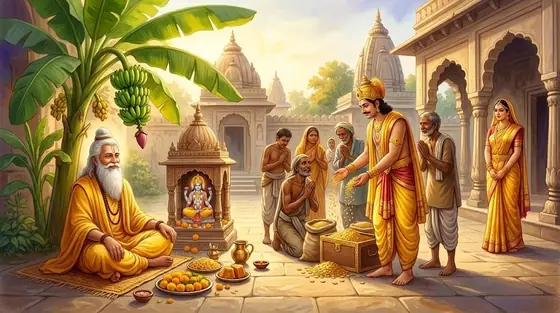 व्रत कथाVrat Kathas
बृहस्पतिवार व्रत कथा
Brihaspativar Vrat Katha
भगवान विष्णु और बृहस्पति देव का गुरुवार व्रत — दानी राजा और अभिमानी रानी की कथा, व्रत विधि और उद्यापनThe Thursday fast for Vishnu and Brihaspati: the generous king and his proud queen, how to keep the fast, and the udyapan
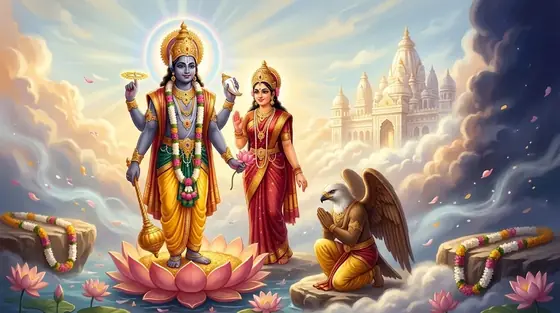 चालीसाChalisas
श्री विष्णु चालीसा
Vishnu Chalisa
जगत के पालनहार भगवान विष्णु की चालीसा, हर दोहे और चौपाई के अर्थ सहितThe Chalisa of Vishnu, preserver of the world, with the meaning of every doha and chaupai
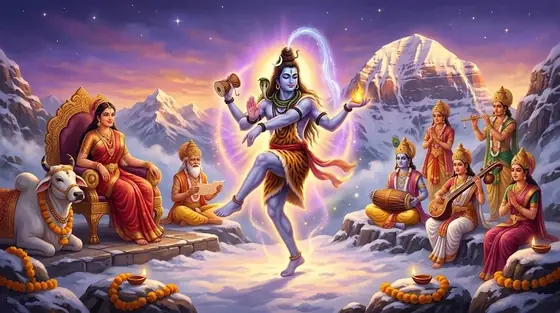 व्रत कथाVrat Kathas
प्रदोष व्रत कथा
Pradosh Vrat Katha
हर मास की दोनों त्रयोदशी की संध्या — प्रदोष काल में शिव पूजा, स्कंद पुराण की निर्धन ब्राह्मणी और विदर्भ के राजकुमार की कथा, व्रत विधि, और सोम, भौम, शनि प्रदोष का फलThe evening of every Trayodashi: Shiva's puja in the pradosh window, the Skanda Purana katha of the poor Brahmin widow and the prince of Vidarbha, the method of the fast, and the fruit of Som, Bhaum and Shani Pradosh