श्रीरामरक्षास्तोत्रम्
Shri Ram Raksha Stotra
बुधकौशिक ऋषि रचित रामरक्षा-कवच: विनियोग, ध्यान और 38 श्लोक, हर श्लोक के अर्थ सहितBudha Kaushika's armour of Rama's names: the viniyoga, the dhyana and all 38 verses, with the meaning of each
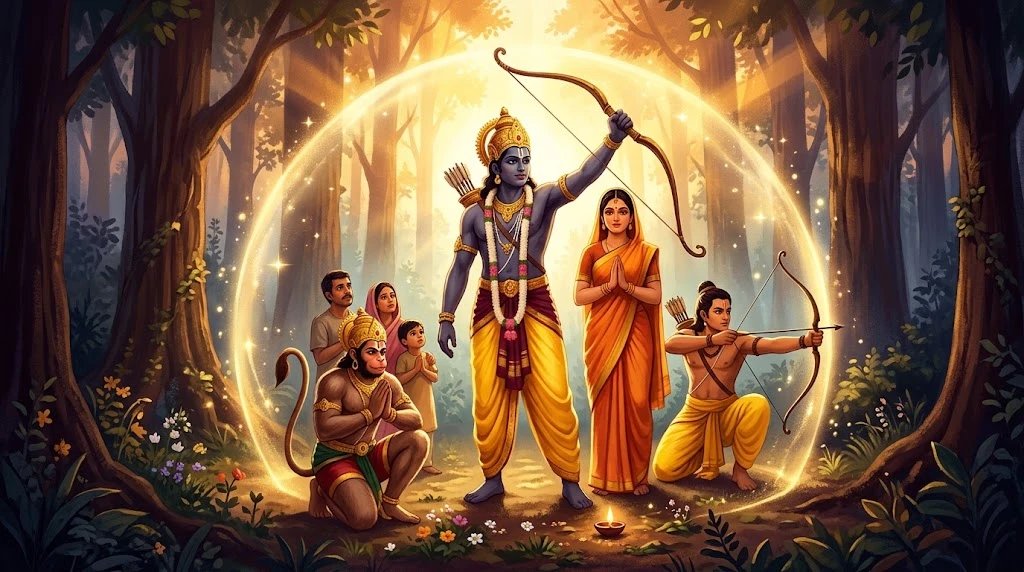
PDF डाउनलोडDownload PDF
श्रीरामरक्षास्तोत्र संस्कृत का एक कवच-स्तोत्र है, जिसके ऋषि बुधकौशिक हैं। स्तोत्र स्वयं कहता है कि भगवान् शिव ने स्वप्न में यह रामरक्षा बताई और सुबह जागकर बुधकौशिक ने इसे लिख दिया; परम्परा बुधकौशिक को विश्वामित्र (कौशिक) से जोड़ती है, पर यह परम्परा की ही मान्यता है। पाठ विनियोग और ध्यान से आरम्भ होता है, फिर 38 श्लोक आते हैं: पहले श्रीराम का ध्यान, फिर उनके अलग-अलग नामों से सिर से पैर तक हर अंग की रक्षा की प्रार्थना, उसके बाद फलश्रुति, राम-लक्ष्मण से मार्ग में साथ चलने की विनती, नामावली, शरणागति और अन्त में 'राम रामेति रामेति' वाला प्रसिद्ध श्लोक।
लोग इसे भय, संकट, यात्रा, रोग और कठिन समय में रक्षा के भाव से पढ़ते हैं, और बहुत-से घरों में यह बच्चों को कण्ठस्थ कराई जाती है। इस पृष्ठ पर पूरा पाठ गीता प्रेस, गोरखपुर की स्तोत्ररत्नावली के छपे पाठ के अनुसार है, हर श्लोक के नीचे उसका सीधा अर्थ है जिसमें राम के हर नाम और विशेषण की व्याख्या भी है, और साइन-इन के बाद पूरा पाठ मुफ्त PDF में उतारा जा सकता है।
The Shri Ram Raksha Stotra is a Sanskrit kavacha, an armour-hymn, whose seer is Budha Kaushika. The hymn says of itself that Shiva taught it to him in a dream and that he wrote it down on waking; tradition links Budha Kaushika with the sage Vishvamitra (Kaushika), though that is attribution rather than record. It opens with a viniyoga and a dhyana, then runs to 38 verses: a meditation on Rama, a prayer that each limb from head to foot be guarded by one of Rama's names, the fruits of reciting it, a plea that Rama and Lakshmana walk ahead on the road, a litany of names, verses of surrender, and finally the famous Rama Rameti Rameti.
People read it for protection in fear, trouble, travel, illness and hard times, and many families teach it to children by heart. This page gives the full text as printed in the Gita Press, Gorakhpur Stotra Ratnavali, a plain meaning under every verse that also explains each of Rama's names and epithets, and, after sign-in, a free PDF of the whole text.
पाठThe text
पदVerse
ॐ अस्य श्रीरामरक्षास्तोत्रमन्त्रस्य बुधकौशिक ऋषिः श्रीसीतारामचन्द्रो देवता अनुष्टुप् छन्दः सीता शक्तिः श्रीमान् हनुमान् कीलकं श्रीरामचन्द्रप्रीत्यर्थे रामरक्षास्तोत्रजपे विनियोगः।
यह विनियोग है, जो पाठ आरम्भ करने से पहले संकल्प की तरह बोला जाता है। इसके अनुसार इस श्रीरामरक्षा-स्तोत्र रूपी मन्त्र के ऋषि बुधकौशिक हैं, देवता श्रीसीता-रामचन्द्र हैं, छन्द अनुष्टुप् है, शक्ति सीता हैं और कीलक (मन्त्र को बाँधकर स्थिर रखने वाला) श्रीमान् हनुमान हैं। श्रीरामचन्द्र की प्रसन्नता के लिए रामरक्षा-स्तोत्र के जप में इसका विनियोग (उपयोग) किया जाता है।This is the viniyoga, a statement of purpose spoken before the recitation begins. It names the seer of this Rama Raksha hymn-mantra as Budha Kaushika, its deity as Sita and Ramachandra, its metre as anushtup, its power (shakti) as Sita and its keystone (kilaka, what holds the mantra fast) as the glorious Hanuman. The recitation is dedicated to pleasing Ramachandra.
पदVerse
अथ ध्यानम् ध्यायेदाजानुबाहुं धृतशरधनुषं बद्धपद्मासनस्थं पीतं वासो वसानं नवकमलदलस्पर्धिनेत्रं प्रसन्नम्। वामाङ्कारूढसीतामुखकमलमिलल्लोचनं नीरदाभं नानालङ्कारदीप्तं दधतमुरुजटामण्डलं रामचन्द्रम्॥
यह ध्यान है, जिसमें पाठ से पहले श्रीराम का रूप मन में बसाया जाता है: घुटनों तक लम्बी भुजाओं वाले (आजानुबाहु), धनुष-बाण धारण किए, बद्ध-पद्मासन में बैठे, पीताम्बर पहने, नये कमल-दल से होड़ लेते नेत्रों वाले और प्रसन्न मुख वाले। बाईं गोद में बैठी सीता के मुख-कमल से उनकी दृष्टि मिल रही है; वे मेघ के समान श्यामल (नीरदाभ) हैं, अनेक आभूषणों से दमकते हैं और विशाल जटा-मण्डल धारण किए हैं। ऐसे रामचन्द्र का ध्यान करें।This is the dhyana, the verse for picturing Rama before the recitation: arms reaching to his knees (ajanubahu), holding bow and arrows, seated in the locked lotus posture, clad in yellow, with eyes that rival fresh lotus petals and a serene face. His eyes meet the lotus face of Sita seated on his left lap; he is dark as a rain-cloud (niradabha), shining with many ornaments and crowned with a great coil of matted hair. On such a Ramachandra one should meditate.
पदVerse 1
चरितं रघुनाथस्य शतकोटिप्रविस्तरम्। एकैकमक्षरं पुंसां महापातकनाशनम्॥
रघुनाथ (श्रीराम) का चरित सौ करोड़ (शतकोटि) श्लोकों तक फैला हुआ है। उसका एक-एक अक्षर मनुष्यों के बड़े-से-बड़े पापों (महापातक) का नाश करने वाला है।The story of Raghunatha (Rama) runs to a hundred crore verses. Every single syllable of it destroys even the gravest sins (mahapataka) of human beings.
पदVerse 2
ध्यात्वा नीलोत्पलश्यामं रामं राजीवलोचनम्। जानकीलक्ष्मणोपेतं जटामुकुटमण्डितम्॥
नीले कमल (नीलोत्पल) जैसे श्यामल, कमल-नयन (राजीवलोचन) श्रीराम का ध्यान करके, जो जानकी और लक्ष्मण के साथ हैं और जटाओं के मुकुट से सुशोभित हैं... (यह वाक्य अगले दो श्लोकों में पूरा होता है।)Meditating on Rama, dark as the blue lotus (nilotpala), lotus-eyed (rajivalochana), with Janaki and Lakshmana beside him and adorned with a crown of matted hair... (the sentence runs on through the next two verses.)
पदVerse 3
सासितूणधनुर्बाणपाणिं नक्तंचरान्तकम्। स्वलीलया जगत्त्रातुमाविर्भूतमजं विभुम्॥
...जिनके हाथों में तलवार (असि), तरकश, धनुष और बाण हैं, जो रात में विचरने वाले राक्षसों (नक्तंचर) का अन्त करते हैं, और जो अजन्मा तथा सर्वव्यापी (विभु) होकर भी संसार की रक्षा के लिए अपनी लीला से प्रकट हुए हैं......who holds sword (asi), quiver, bow and arrows, who puts an end to the night-roaming demons (naktanchara), and who, though unborn and all-pervading (vibhu), appeared of his own play (lila) to protect the world...
पदVerse 4
रामरक्षां पठेत्प्राज्ञः पापघ्नीं सर्वकामदाम्। शिरो मे राघवः पातु भालं दशरथात्मजः॥
...बुद्धिमान व्यक्ति पापों का नाश करने वाली और सब कामनाएँ पूरी करने वाली इस रामरक्षा का पाठ करे। (यहाँ से कवच आरम्भ होता है:) राघव मेरे सिर की और दशरथ-पुत्र (दशरथात्मज) मेरे ललाट की रक्षा करें।...the wise should recite this Rama Raksha, which destroys sin and grants every wish. (Here the armour begins:) May Raghava guard my head, and Dasharatha's son (Dasharathatmaja) my forehead.
पदVerse 5
कौसल्येयो दृशौ पातु विश्वामित्रप्रियः श्रुती। घ्राणं पातु मखत्राता मुखं सौमित्रिवत्सलः॥
कौसल्या के पुत्र (कौसल्येय) मेरी आँखों की, विश्वामित्र के प्रिय मेरे कानों की, यज्ञ के रक्षक (मखत्राता, जिन्होंने विश्वामित्र के यज्ञ को राक्षसों से बचाया) मेरी नाक की, और सुमित्रा-पुत्र लक्ष्मण पर स्नेह रखने वाले (सौमित्रिवत्सल) मेरे मुख की रक्षा करें।May Kausalya's son (Kausalyeya) guard my eyes, Vishvamitra's beloved my ears, the protector of the sacrifice (makhatrata, who saved Vishvamitra's yajna from the demons) my nose, and the one tender towards Sumitra's son Lakshmana (Saumitrivatsala) my mouth.
पदVerse 6
जिह्वां विद्यानिधिः पातु कण्ठं भरतवन्दितः। स्कन्धौ दिव्यायुधः पातु भुजौ भग्नेशकार्मुकः॥
विद्या के भण्डार (विद्यानिधि) मेरी जीभ की, भरत द्वारा वन्दित राम मेरे कण्ठ की, दिव्य अस्त्र धारण करने वाले (दिव्यायुध) मेरे कन्धों की, और शिव का धनुष तोड़ने वाले (भग्नेशकार्मुक) मेरी भुजाओं की रक्षा करें।May the treasury of learning (Vidyanidhi) guard my tongue, the one Bharata bows to my throat, the bearer of divine weapons (Divyayudha) my shoulders, and the one who broke Shiva's bow (Bhagneshakarmuka) my arms.
पदVerse 7
करौ सीतापतिः पातु हृदयं जामदग्न्यजित्। मध्यं पातु खरध्वंसी नाभिं जाम्बवदाश्रयः॥
सीतापति मेरे हाथों की, परशुराम को जीतने वाले (जामदग्न्यजित्, जमदग्नि के पुत्र परशुराम के विजेता) मेरे हृदय की, खर राक्षस का नाश करने वाले (खरध्वंसी) मेरे शरीर के मध्य भाग की, और जाम्बवान् के आश्रय (जाम्बवदाश्रय) मेरी नाभि की रक्षा करें।May Sita's husband guard my hands, the victor over Parashurama (Jamadagnyajit, conqueror of Jamadagni's son) my heart, the slayer of the demon Khara (Kharadhvamsi) my middle, and Jambavan's refuge (Jambavadashraya) my navel.
पदVerse 8
सुग्रीवेशः कटी पातु सक्थिनी हनुमत्प्रभुः। ऊरू रघूत्तमः पातु रक्षःकुलविनाशकृत्॥
सुग्रीव के स्वामी (सुग्रीवेश) मेरी कमर की, हनुमान के प्रभु मेरे कूल्हों (सक्थि) की, और राक्षस-कुल का विनाश करने वाले रघुश्रेष्ठ (रघूत्तम) मेरी जाँघों की रक्षा करें।May Sugriva's lord (Sugrivesha) guard my waist, Hanuman's master my hips (sakthi), and the best of the Raghus (Raghuttama), destroyer of the demon clans, my thighs.
पदVerse 9
जानुनी सेतुकृत्पातु जङ्घे दशमुखान्तकः। पादौ विभीषणश्रीदः पातु रामोऽखिलं वपुः॥
समुद्र पर सेतु बाँधने वाले (सेतुकृत्) मेरे घुटनों की, दस मुख वाले रावण का अन्त करने वाले (दशमुखान्तक) मेरी पिंडलियों की, विभीषण को राज्य-लक्ष्मी देने वाले (विभीषणश्रीद) मेरे पैरों की, और स्वयं राम मेरे सम्पूर्ण शरीर की रक्षा करें।May the builder of the bridge over the sea (Setukrit) guard my knees, the slayer of ten-headed Ravana (Dashamukhantaka) my shins, the one who gave Vibhishana his kingdom (Vibhishanashrida) my feet, and Rama himself my whole body.
पदVerse 10
एतां रामबलोपेतां रक्षां यः सुकृती पठेत्। स चिरायुः सुखी पुत्री विजयी विनयी भवेत्॥
जो पुण्यात्मा (सुकृती) राम के बल से भरी इस रक्षा का पाठ करता है, वह दीर्घायु, सुखी, पुत्रवान्, विजयी और विनयशील होता है।The virtuous person (sukriti) who recites this protection, filled with Rama's strength, becomes long-lived, happy, blessed with children, victorious and humble.
पदVerse 11
पातालभूतलव्योमचारिणश्छद्मचारिणः। न द्रष्टुमपि शक्तास्ते रक्षितं रामनामभिः॥
पाताल, पृथ्वी और आकाश में विचरने वाले, और छल-वेश में घूमने वाले (छद्मचारी) जीव, राम के नामों से सुरक्षित व्यक्ति को देख तक नहीं पाते।Beings that roam the netherworld, the earth and the sky, and those that move about in disguise (chhadmachari), cannot even see a person guarded by the names of Rama.
पदVerse 12
रामेति रामभद्रेति रामचन्द्रेति वा स्मरन्। नरो न लिप्यते पापैर्भुक्तिं मुक्तिं च विन्दति॥
जो मनुष्य 'राम', 'रामभद्र' या 'रामचन्द्र' कहकर उनका स्मरण करता है, वह पापों से लिप्त नहीं होता और भोग (भुक्ति) तथा मोक्ष (मुक्ति), दोनों पाता है।Whoever remembers him as Rama, Ramabhadra or Ramachandra is not stained by sin, and gains both worldly enjoyment (bhukti) and liberation (mukti).
पदVerse 13
जगज्जैत्रैकमन्त्रेण रामनाम्नाभिरक्षितम्। यः कण्ठे धारयेत्तस्य करस्थाः सर्वसिद्धयः॥
राम-नाम, जो जगत् को जीतने वाला एकमात्र मन्त्र है, उससे सुरक्षित इस रक्षा को जो कण्ठ में धारण करता है, सारी सिद्धियाँ उसके हाथ में (करस्थ) रहती हैं। कण्ठ में धारण करने के दो अर्थ लिए जाते हैं: इसे याद रखना, या लिखकर गले में पहनना।Whoever wears at the throat this protection, sealed by the name of Rama, the one mantra that conquers the world, holds every accomplishment (siddhi) in the palm of their hand. Wearing it at the throat is taken in two ways: knowing it by heart, or wearing it written as an amulet.
पदVerse 14
वज्रपञ्जरनामेदं यो रामकवचं स्मरेत्। अव्याहताज्ञः सर्वत्र लभते जयमङ्गलम्॥
जो 'वज्रपञ्जर' (वज्र का पिंजरा) नाम के इस राम-कवच का स्मरण करता है, उसकी आज्ञा कहीं नहीं टलती (अव्याहताज्ञ) और वह सब जगह विजय और मंगल पाता है।Whoever remembers this armour of Rama, called the Vajrapanjara (the cage of adamant), finds their word obeyed everywhere (avyahatajna) and wins victory and good fortune wherever they go.
पदVerse 15
आदिष्टवान्यथा स्वप्ने रामरक्षामिमां हरः। तथा लिखितवान्प्रातः प्रबुद्धो बुधकौशिकः॥
भगवान् शिव (हर) ने स्वप्न में जिस प्रकार यह रामरक्षा बताई, सुबह जागकर बुधकौशिक ऋषि ने उसी प्रकार इसे लिख दिया।Just as Shiva (Hara) taught this Rama Raksha in a dream, so the sage Budha Kaushika wrote it down when he woke in the morning.
पदVerse 16
आरामः कल्पवृक्षाणां विरामः सकलापदाम्। अभिरामस्त्रिलोकानां रामः श्रीमान्स नः प्रभुः॥
श्रीराम कल्पवृक्षों के उपवन (आराम) हैं, सारी विपत्तियों का अन्त (विराम) हैं और तीनों लोकों में सबसे मनोहर (अभिराम) हैं; वही श्रीमान् राम हमारे स्वामी हैं। (आराम, विराम और अभिराम में 'राम' शब्द का खेल है।)Rama is a garden (arama) of wish-fulfilling trees, the end (virama) of every misfortune and the delight (abhirama) of the three worlds; that glorious Rama is our lord. (The verse plays on the 'rama' in arama, virama and abhirama.)
पदVerse 17
तरुणौ रूपसम्पन्नौ सुकुमारौ महाबलौ। पुण्डरीकविशालाक्षौ चीरकृष्णाजिनाम्बरौ॥
जो तरुण, रूपवान्, सुकुमार और महाबली हैं, जिनके नेत्र श्वेत कमल (पुण्डरीक) जैसे विशाल हैं, और जो वल्कल-वस्त्र (चीर) तथा काले मृग की खाल (कृष्णाजिन) पहनते हैं... (यह वर्णन अगले दो श्लोकों में पूरा होता है।)Young, handsome, tender and mighty, with eyes wide as white lotuses (pundarika), dressed in bark cloth (chira) and black deerskin (krishnajina)... (the description runs on through the next two verses.)
पदVerse 18
फलमूलाशिनौ दान्तौ तापसौ ब्रह्मचारिणौ। पुत्रौ दशरथस्यैतौ भ्रातरौ रामलक्ष्मणौ॥
...जो फल-मूल खाकर रहते हैं, इन्द्रियों को वश में रखते हैं (दान्त), तपस्वी और ब्रह्मचारी हैं, वे दशरथ के दोनों पुत्र, भाई राम और लक्ष्मण......living on fruit and roots, self-controlled (danta), ascetic and celibate, these two sons of Dasharatha, the brothers Rama and Lakshmana...
पदVerse 19
शरण्यौ सर्वसत्त्वानां श्रेष्ठौ सर्वधनुष्मताम्। रक्षःकुलनिहन्तारौ त्रायेतां नो रघूत्तमौ॥
...जो सब प्राणियों को शरण देने वाले, सब धनुर्धारियों में श्रेष्ठ और राक्षस-कुल का संहार करने वाले हैं, वे दोनों रघुश्रेष्ठ हमारी रक्षा करें।...refuge of all beings, the finest of all archers and slayers of the demon clans: may these two best of the Raghus protect us.
पदVerse 20
आत्तसज्जधनुषाविषुस्पृशावक्षयाशुगनिषङ्गसङ्गिनौ। रक्षणाय मम रामलक्ष्मणावग्रतःपथि सदैव गच्छताम्॥
जिन्होंने प्रत्यंचा चढ़े धनुष ले रखे हैं, जिनके हाथ बाणों को छू रहे हैं और जो कभी खाली न होने वाले बाणों के तरकश बाँधे हुए हैं, वे राम और लक्ष्मण मेरी रक्षा के लिए मार्ग में सदा मेरे आगे-आगे चलें।With strung bows in hand, fingers on their arrows, and quivers of arrows that never run out at their side, may Rama and Lakshmana always walk ahead of me on the road to keep me safe.
पदVerse 21
सन्नद्धः कवची खड्गी चापबाणधरो युवा। गच्छन्मनोरथान्नश्च रामः पातु सलक्ष्मणः॥
युद्ध के लिए तैयार (सन्नद्ध), कवच पहने, तलवार, धनुष और बाण धारण किए युवा राम लक्ष्मण के साथ चलते हुए हमारी और हमारे मनोरथों की रक्षा करें।Armed and ready (sannaddha), wearing armour, carrying sword, bow and arrows, may the young Rama, walking with Lakshmana, protect us and our heart's wishes.
पदVerse 22
रामो दाशरथिः शूरो लक्ष्मणानुचरो बली। काकुत्स्थः पुरुषः पूर्णः कौसल्येयो रघूत्तमः॥
(अब राम के नाम गिनाए जाते हैं:) राम, दाशरथि (दशरथ के पुत्र), शूर, लक्ष्मण जिनके अनुचर हैं (लक्ष्मणानुचर), बली, काकुत्स्थ (राजा ककुत्स्थ के वंशज), पुरुष, पूर्ण, कौसल्येय (कौसल्या के पुत्र) और रघूत्तम (रघुकुल में श्रेष्ठ)...(Now Rama's names are listed:) Rama, Dasharathi (son of Dasharatha), the hero, the one Lakshmana follows (Lakshmananuchara), the strong, Kakutstha (of King Kakutstha's line), the Person (Purusha), the Complete (Purna), Kausalyeya (Kausalya's son) and Raghuttama (best of the Raghus)...
पदVerse 23
वेदान्तवेद्यो यज्ञेशः पुराणपुरुषोत्तमः। जानकीवल्लभः श्रीमानप्रमेयपराक्रमः॥
...वेदान्त से जाने जाने वाले (वेदान्तवेद्य), यज्ञों के स्वामी (यज्ञेश), पुराण पुरुषोत्तम (सनातन परम पुरुष), जानकीवल्लभ (सीता के प्रिय), श्रीमान् और अपार पराक्रम वाले (अप्रमेयपराक्रम)।...the one known through Vedanta (Vedantavedya), lord of sacrifice (Yajnesha), the ancient Supreme Person (Purana Purushottama), beloved of Janaki (Janakivallabha), the glorious one, of boundless valour (Aprameyaparakrama).
पदVerse 24
इत्येतानि जपन्नित्यं मद्भक्तः श्रद्धयान्वितः। अश्वमेधाधिकं पुण्यं सम्प्राप्नोति न संशयः॥
श्रद्धा के साथ इन नामों का नित्य जप करने वाला मेरा भक्त (मद्भक्त) अश्वमेध यज्ञ से भी अधिक पुण्य पाता है; इसमें कोई संशय नहीं।My devotee (madbhakta) who chants these names daily with faith gains merit greater than an ashvamedha sacrifice; of this there is no doubt.
पदVerse 25
रामं दूर्वादलश्यामं पद्माक्षं पीतवाससम्। स्तुवन्ति नामभिर्दिव्यैर्न ते संसारिणो नराः॥
दूर्वा-दल जैसे श्यामल, कमल-नयन (पद्माक्ष), पीताम्बरधारी श्रीराम की जो लोग इन दिव्य नामों से स्तुति करते हैं, वे संसारी नहीं रहते, अर्थात् जन्म-मरण के चक्र में नहीं बँधते।Those who praise Rama, dark as a blade of durva grass, lotus-eyed (padmaksha) and clad in yellow, with these divine names, are no longer bound to worldly existence, the round of birth and death.
पदVerse 26
रामं लक्ष्मणपूर्वजं रघुवरं सीतापतिं सुन्दरं काकुत्स्थं करुणार्णवं गुणनिधिं विप्रप्रियं धार्मिकम्। राजेन्द्रं सत्यसन्धं दशरथतनयं श्यामलं शान्तमूर्तिं वन्दे लोकाभिरामं रघुकुलतिलकं राघवं रावणारिम्॥
मैं राम की वन्दना करता हूँ: लक्ष्मण के बड़े भाई (लक्ष्मणपूर्वज), रघुश्रेष्ठ, सीतापति, सुन्दर, काकुत्स्थ, करुणा के सागर (करुणार्णव), गुणों के भण्डार, ब्राह्मणों के प्रिय और धर्मात्मा। वे राजाओं के राजा (राजेन्द्र), सत्य-प्रतिज्ञ (सत्यसन्ध), दशरथ-पुत्र, श्यामल, शान्ति की मूर्ति, सब लोकों को आनन्द देने वाले (लोकाभिराम), रघुकुल के तिलक, राघव और रावण के शत्रु (रावणारि) हैं।I bow to Rama: Lakshmana's elder brother (Lakshmanapurvaja), the best of the Raghus, Sita's husband, the beautiful, Kakutstha, ocean of compassion (karunarnava), treasury of virtues, dear to the learned and devoted to dharma. He is king of kings (Rajendra), true to his word (Satyasandha), Dasharatha's son, dark-hued, peace embodied, the joy of all the worlds (Lokabhirama), the jewel on the brow of the Raghu line, Raghava, the foe of Ravana (Ravanari).
पदVerse 27
रामाय रामभद्राय रामचन्द्राय वेधसे। रघुनाथाय नाथाय सीतायाः पतये नमः॥
राम, रामभद्र (कल्याणकारी राम), रामचन्द्र, वेधस् (विधाता), रघुनाथ, सबके नाथ और सीता के पति को नमस्कार है।Salutations to Rama, Ramabhadra (Rama the auspicious), Ramachandra, Vedhas (the ordainer of all), Raghunatha, the Lord of all, the husband of Sita.
पदVerse 28
श्रीराम राम रघुनन्दन राम राम श्रीराम राम भरताग्रज राम राम। श्रीराम राम रणकर्कश राम राम श्रीराम राम शरणं भव राम राम॥
हे श्रीराम, हे रघुनन्दन राम, हे भरत के बड़े भाई (भरताग्रज) राम, हे रणभूमि में कठोर (रणकर्कश) राम, आप मेरे आश्रय बनिए।O Shri Rama, Rama, joy of the Raghus (Raghunandana); Rama, Bharata's elder brother (Bharatagraja); Rama, fierce in battle (ranakarkasha): be my refuge.
पदVerse 29
श्रीरामचन्द्रचरणौ मनसा स्मरामि श्रीरामचन्द्रचरणौ वचसा गृणामि। श्रीरामचन्द्रचरणौ शिरसा नमामि श्रीरामचन्द्रचरणौ शरणं प्रपद्ये॥
श्रीरामचन्द्र के चरणों को मैं मन से याद करता हूँ, वाणी से उनका बखान (गृणामि) करता हूँ, सिर से उन्हें नमन करता हूँ और उन्हीं चरणों में शरण लेता हूँ।With my mind I remember the feet of Ramachandra, with my speech I praise them (grinami), with my head I bow to them, and in those same feet I take refuge.
पदVerse 30
माता रामो मत्पिता रामचन्द्रः स्वामी रामो मत्सखा रामचन्द्रः। सर्वस्वं मे रामचन्द्रो दयालु- र्नान्यं जाने नैव जाने न जाने॥
मेरी माता राम हैं, पिता रामचन्द्र हैं; स्वामी भी राम और मित्र भी रामचन्द्र। करुणामय रामचन्द्र मेरा सर्वस्व हैं; उनके अतिरिक्त मैं किसी दूसरे को जानता ही नहीं, कभी नहीं।Rama is my mother, Ramachandra my father; Rama is my master and Ramachandra my friend. The compassionate Ramachandra is everything I have; I know no other, none at all.
पदVerse 31
दक्षिणे लक्ष्मणो यस्य वामे च जनकात्मजा। पुरतो मारुतिर्यस्य तं वन्दे रघुनन्दनम्॥
दाएँ लक्ष्मण, बाएँ जनक की पुत्री (जनकात्मजा) सीता और सामने मारुति (पवन-पुत्र हनुमान): इस रूप में विराजे रघुनन्दन को मेरा प्रणाम।Lakshmana on his right, Janaka's daughter (Janakatmaja) Sita on his left, and Maruti (Hanuman, son of the wind) before him: to Raghunandana, seated so, I bow.
पदVerse 32
लोकाभिरामं रणरङ्गधीरं राजीवनेत्रं रघुवंशनाथम्। कारुण्यरूपं करुणाकरं तं श्रीरामचन्द्रं शरणं प्रपद्ये॥
जो सब लोकों को आनन्द देने वाले (लोकाभिराम), रणभूमि में धीर, कमल-नयन (राजीवनेत्र), रघुवंश के स्वामी, करुणा के मूर्त रूप और करुणा की खान (करुणाकर) हैं, उन श्रीरामचन्द्र की मैं शरण लेता हूँ।I take refuge in Ramachandra, the joy of the worlds (Lokabhirama), steady on the field of battle, lotus-eyed (rajivanetra), lord of the Raghu line, compassion in human form and a mine of mercy (karunakara).
पदVerse 33
मनोजवं मारुततुल्यवेगं जितेन्द्रियं बुद्धिमतां वरिष्ठम्। वातात्मजं वानरयूथमुख्यं श्रीरामदूतं शरणं प्रपद्ये॥
जो मन के समान वेगवान्, वायु के समान तेज़, इन्द्रियों को जीतने वाले, बुद्धिमानों में श्रेष्ठ, वायु-पुत्र (वातात्मज) और वानर-सेना के प्रमुख हैं, उन श्रीराम के दूत हनुमान की मैं शरण लेता हूँ।I take refuge in Rama's messenger Hanuman, swift as thought and fast as the wind, master of his senses, foremost among the wise, son of the wind (Vatatmaja) and chief of the monkey host.
पदVerse 34
कूजन्तं रामरामेति मधुरं मधुराक्षरम्। आरुह्य कविताशाखां वन्दे वाल्मीकिकोकिलम्॥
कविता रूपी डाल पर बैठकर 'राम-राम' के मधुर अक्षरों को मीठे स्वर में कूकने वाली वाल्मीकि रूपी कोयल की मैं वन्दना करता हूँ।I bow to Valmiki, the cuckoo who perches on the branch of poetry and sings 'Rama, Rama' in sweet syllables.
पदVerse 35
आपदामपहर्तारं दातारं सर्वसम्पदाम्। लोकाभिरामं श्रीरामं भूयो भूयो नमाम्यहम्॥
विपत्तियों को हरने वाले, सारी सम्पदाएँ देने वाले, सब लोकों को आनन्द देने वाले श्रीराम को मैं बार-बार नमस्कार करता हूँ।Again and again I bow to Shri Rama, the remover of misfortune, the giver of every kind of wealth, the joy of the worlds.
पदVerse 36
भर्जनं भवबीजानामर्जनं सुखसम्पदाम्। तर्जनं यमदूतानां रामरामेति गर्जनम्॥
'राम-राम' की गर्जना संसार के बीजों (जन्म-मरण के कारणों) को भून डालती है, सुख और सम्पदा दिलाती है और यमदूतों को डराकर दूर भगाती है।The roar of 'Rama, Rama' roasts the seeds of worldly existence (the causes of rebirth), brings in happiness and wealth, and drives off the messengers of Yama, the god of death.
पदVerse 37
रामो राजमणिः सदा विजयते रामं रमेशं भजे रामेणाभिहता निशाचरचमू रामाय तस्मै नमः। रामान्नास्ति परायणं परतरं रामस्य दासोऽस्म्यहं रामे चित्तलयः सदा भवतु मे भो राम मामुद्धर॥
राजाओं में मणि के समान राम सदा विजयी हैं; मैं लक्ष्मीपति (रमेश) राम को भजता हूँ; जिन राम ने निशाचरों की सेना (निशाचरचमू) का संहार किया, उन राम को नमस्कार है। राम से बढ़कर कोई आश्रय नहीं, मैं राम का दास हूँ; मेरा चित्त सदा राम में लीन रहे; हे राम, मेरा उद्धार कीजिए। (इस श्लोक में 'राम' शब्द संस्कृत की सभी विभक्तियों में आता है।)Rama, the jewel among kings, is ever victorious; I worship Rama, the lord of Lakshmi (Ramesha); by Rama the army of the night-roamers (nishacharachamu) was struck down; to that Rama, salutations. There is no refuge higher than Rama, I am Rama's servant; may my mind always rest in Rama; O Rama, lift me up. (The verse runs the word Rama through every case of Sanskrit grammar.)
पदVerse 38
राम रामेति रामेति रमे रामे मनोरमे। सहस्रनाम तत्तुल्यं रामनाम वरानने॥
(परम्परा में यह शिव का पार्वती से कहा गया वचन माना जाता है:) हे सुमुखी (वरानने), 'राम, राम, राम' कहता हुआ मैं मनोहर राम में ही रमता हूँ। एक राम-नाम (विष्णु के) सहस्र नामों के बराबर है।(By tradition these are Shiva's words to Parvati:) O fair-faced one (varanane), saying 'Rama, Rama, Rama' I delight in Rama, the delightful. The single name of Rama is equal to the thousand names (of Vishnu).
स्तोत्र की बनावटHow the hymn is built
रामरक्षा एक कवच है। चौथे श्लोक के उत्तरार्ध से नौवें श्लोक तक हर पंक्ति शरीर के किसी अंग को राम के किसी एक नाम को सौंपती है: सिर राघव को, आँखें कौसल्येय को, जीभ विद्यानिधि को, हृदय जामदग्न्यजित् को, पैर विभीषणश्रीद को, और अन्त में पूरा शरीर स्वयं राम को। हर नाम रामायण की किसी घटना की याद दिलाता है, इसलिए यह भाग अर्थ के साथ पढ़ने पर पूरी राम-कथा का छोटा-सा रूप बन जाता है।
दसवें से पन्द्रहवें श्लोक तक फलश्रुति और स्तोत्र की उत्पत्ति है, सोलहवें से इक्कीसवें तक राम-लक्ष्मण के वनवासी रूप का वर्णन और मार्ग में रक्षा की प्रार्थना, बाईसवें से सत्ताईसवें तक नामावली और वन्दना, और अट्ठाईसवें से अड़तीसवें तक शरणागति के श्लोक हैं, जिनमें तैंतीसवाँ श्लोक हनुमान जी की शरण का है।
The Rama Raksha is a kavacha, an armour. From the second half of verse 4 to verse 9 each line hands one part of the body to one of Rama's names: the head to Raghava, the eyes to Kausalyeya, the tongue to Vidyanidhi, the heart to Jamadagnyajit, the feet to Vibhishanashrida, and finally the whole body to Rama himself. Each name recalls an episode of the Ramayana, so read with its meaning this part becomes the whole Rama story in miniature.
Verses 10 to 15 give the fruits of recitation and the origin of the hymn; verses 16 to 21 describe Rama and Lakshmana as forest ascetics and ask them to guard the road; verses 22 to 27 are a litany of names and salutations; and verses 28 to 38 are verses of surrender, verse 33 among them being a prayer for Hanuman's shelter.
पाठ विधिHow to read it
स्नान करके स्वच्छ वस्त्र पहनें, श्रीराम-दरबार या सीता-राम के चित्र के सामने दीपक जलाएँ और आसन पर बैठें। पहले विनियोग पढ़ें (परम्परा में हाथ में जल लेकर विनियोग बोला जाता है और फिर जल भूमि पर छोड़ा जाता है), फिर ध्यान-श्लोक पढ़ते हुए श्रीराम का रूप मन में लाएँ, और उसके बाद 38 श्लोक एक बैठक में पढ़ें।
संस्कृत का उच्चारण धीरे और साफ़ रखें; जल्दी में पढ़ने से अच्छा है कि कम पढ़ें पर शुद्ध पढ़ें। अर्थ साथ पढ़ने से कवच वाले श्लोकों का भाव स्पष्ट होता है। पाठ के अन्त में श्रीराम को प्रणाम करें; चाहें तो 'श्रीराम जय राम जय जय राम' का जप भी कर सकते हैं।
Bathe, put on clean clothes, light a lamp before an image of Rama's court or of Sita and Rama, and sit on a mat. Read the viniyoga first (by custom it is said with a little water in the right palm, which is then let fall to the ground), then bring Rama's form to mind while reading the dhyana, and then read the 38 verses in one sitting.
Keep the Sanskrit slow and clear; reading less but correctly is better than reading fast. Reading the meaning alongside makes the armour verses come alive. At the end bow to Rama; some also add a round of the chant Shri Ram Jai Ram Jai Jai Ram.
महत्व और फलMeaning and fruit
स्तोत्र अपने फल स्वयं बताता है: इसका पाठ करने वाला दीर्घायु, सुखी, सन्तानवान्, विजयी और विनयी होता है (श्लोक 10), राम-नाम से रक्षित व्यक्ति को छल करने वाले देख तक नहीं पाते (11), और राम-नाम का स्मरण भोग और मोक्ष दोनों देता है (12)। इसे 'वज्रपञ्जर' यानी वज्र का पिंजरा कहा गया है (14), इसीलिए इसे रक्षा-कवच के रूप में पढ़ा जाता है।
इन फलों को श्रद्धा की भाषा में समझना चाहिए: रामरक्षा मन को भय से हटाकर राम पर टिकाती है, और कठिन समय में यही स्थिरता सबसे बड़ा सहारा बनती है। अन्तिम श्लोक के अनुसार एक राम-नाम सहस्र नामों के बराबर है, इसलिए परम्परा में जिनके पास पूरे पाठ का समय न हो, वे अन्तिम श्लोक तीन बार पढ़ लेते हैं।
The hymn names its own fruits: whoever recites it becomes long-lived, happy, blessed with children, victorious and humble (verse 10); those who deceive cannot even see a person guarded by Rama's names (11); and remembering Rama's name brings both worldly good and liberation (12). It calls itself the Vajrapanjara, the cage of adamant (14), which is why it is read as an armour of protection.
These fruits are best understood in the language of faith: the Rama Raksha turns the mind away from fear and fixes it on Rama, and in hard times that steadiness is the greatest support. The last verse says one name of Rama equals a thousand names, so by tradition those without time for the whole hymn recite that last verse three times.
कब पढ़ेंWhen to read
रोज़ प्रातः या संध्या को; रामनवमी पर विशेष रूप से। यात्रा से पहले, भय या संकट के समय, रोग में (उपचार के साथ) और कठिन ग्रह-दशा के दौरान इसका नियमित पाठ किया जाता है। बहुत-से लोग इसे हनुमान चालीसा के साथ पढ़ते हैं।Daily, morning or evening, and especially on Ram Navami. It is read regularly before a journey, in times of fear or trouble, in illness (alongside treatment) and through a difficult planetary period. Many read it together with the Hanuman Chalisa.
कुंडली मेंIn your kundli
रामरक्षा रक्षा-भाव का पाठ है, और ज्योतिष में इसे कठिन दशाओं में सहारे के रूप में बताया जाता है। श्रीराम सूर्यवंशी हैं और धर्म के आदर्श, इसलिए इसे सूर्य और गुरु से जोड़ा जाता है: कुंडली में सूर्य के नीच (तुला), अस्त या राहु-शनि से पीड़ित होने पर, गुरु के कमज़ोर होने पर, और ऐसी महादशा-अन्तर्दशा में जब दशा-स्वामी छठे, आठवें या बारहवें भाव से जुड़ा हो। शनि की साढ़ेसाती या ढैया में भी लोग इसे हनुमान चालीसा के साथ पढ़ते हैं। यह पाठ मन को स्थिर रखने का साधन है; डॉक्टर, वकील या व्यावहारिक सावधानी की जगह नहीं लेता। अपनी कुंडली में सूर्य और गुरु की स्थिति और चल रही दशा इसी साइट पर कुंडली बनाकर देखी जा सकती है।The Rama Raksha is a hymn of protection, and in Jyotish it is offered as a support through difficult dashas. Rama belongs to the solar line and is the ideal of dharma, so the hymn is linked with the Sun and Jupiter: it is suggested when the Sun is debilitated (in Libra), combust or afflicted by Rahu or Saturn, when Jupiter is weak, and during a mahadasha or antardasha whose lord is tied to the sixth, eighth or twelfth house. Many also read it with the Hanuman Chalisa through Saturn's sade sati or dhaiya. It is a way to keep the mind steady, not a substitute for a doctor, a lawyer or ordinary care. You can see where the Sun and Jupiter stand and which dasha is running by building your kundli on this site.
ग्रह: Grahas: सूर्यSun, बृहस्पतिJupiter
अपनी कुंडली में देखेंCheck it in your kundliप्रश्नोत्तरQuestions people ask
- रामरक्षा स्तोत्र किसने लिखा?Who wrote the Ram Raksha Stotra?
- स्तोत्र के विनियोग और पन्द्रहवें श्लोक के अनुसार इसके ऋषि बुधकौशिक हैं, जिन्होंने भगवान् शिव के स्वप्न में बताए पाठ को सुबह लिख दिया। परम्परा बुधकौशिक को विश्वामित्र से जोड़ती है, पर यह परम्परागत मान्यता है।According to its viniyoga and verse 15, its seer is Budha Kaushika, who wrote down in the morning what Shiva had taught him in a dream. Tradition identifies Budha Kaushika with Vishvamitra, but that is a traditional attribution.
- रामरक्षा स्तोत्र कब और कितनी बार पढ़ना चाहिए?When, and how many times, should the Ram Raksha Stotra be read?
- रोज़ एक बार, प्रातः या संध्या को, पर्याप्त है। संकट या कठिन दशा में कुछ लोग इसे दिन में तीन बार या ग्यारह बार पढ़ते हैं, पर कोई संख्या अनिवार्य नहीं; नियमित और शुद्ध पाठ अधिक महत्व रखता है।Once a day, morning or evening, is enough. In trouble or a hard dasha some read it three or eleven times a day, but no count is required; a regular, correct reading matters more.
- रामरक्षा स्तोत्र पढ़ने के क्या लाभ हैं?What are the benefits of reading the Ram Raksha Stotra?
- स्तोत्र स्वयं दीर्घायु, सुख, सन्तान, विजय, विनय और हर ओर से रक्षा को इसका फल बताता है। परम्परा में इसे भय, यात्रा, रोग और संकट में रक्षा-कवच की तरह पढ़ा जाता है, और ज्योतिष में सूर्य और गुरु के उपाय के रूप में।The hymn itself names long life, happiness, children, victory, humility and protection on every side as its fruits. By tradition it is read as an armour in fear, travel, illness and trouble, and in Jyotish as a remedy for the Sun and Jupiter.
- क्या विनियोग और ध्यान पढ़ना ज़रूरी है?Is it necessary to read the viniyoga and dhyana?
- परम्परा में पाठ विनियोग और ध्यान से ही आरम्भ होता है, क्योंकि विनियोग पाठ का उद्देश्य बताता है और ध्यान मन को श्रीराम के रूप पर टिकाता है। समय कम हो तो भी ध्यान-श्लोक छोड़ना उचित नहीं माना जाता; उच्चारण शुद्ध रखें और पाठ स्वच्छ होकर करें।By tradition the recitation always begins with the viniyoga and dhyana: the viniyoga states the purpose and the dhyana fixes the mind on Rama's form. Even when time is short, skipping the dhyana is not thought proper; keep the pronunciation correct and read after washing.
साथ में पढ़ेंRead alongside
 चालीसाChalisas
श्री राम चालीसा
Ram Chalisa
"श्री रघुवीर भक्त हितकारी" से आरम्भ होने वाली राम चालीसा, हर चौपाई और दोहे के अर्थ सहितThe Ram Chalisa that begins "Shri Raghuvir bhakt hitkari", with the meaning of every chaupai and doha
 स्तोत्र और कवचStotras and Kavachas
श्रीरामचन्द्र कृपालु भजु मन (श्रीराम-स्तुति)
Shri Ramchandra Kripalu (Shri Ram Stuti)
गोस्वामी तुलसीदास रचित श्रीराम-स्तुति, गौरी के आशीर्वाद और सोरठा सहित, अर्थ के साथTulsidas's hymn to Rama, with Gauri's blessing to Sita and the closing sortha, and the meaning of every verse
 स्तोत्र और कवचStotras and Kavachas
भए प्रगट कृपाला (श्रीराम-जन्म स्तुति)
Bhaye Pragat Kripala (Ram Janm Stuti)
रामचरितमानस के बालकाण्ड से श्रीराम के प्रकट होने की स्तुति, गोस्वामी तुलसीदास रचित, चारों छन्दों के अर्थ सहितTulsidas's hymn of Rama's appearance before Kausalya, from the Balkand of the Ramcharitmanas, with the meaning of all four chhands
 चालीसाChalisas
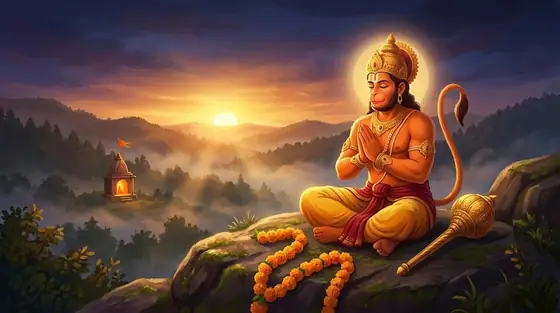
श्री हनुमान चालीसा
Hanuman Chalisa
गोस्वामी तुलसीदास रचित चालीस चौपाइयाँ, अर्थ सहितTulsidas's forty verses to Hanuman, with the meaning of every line
 आरतीAartis
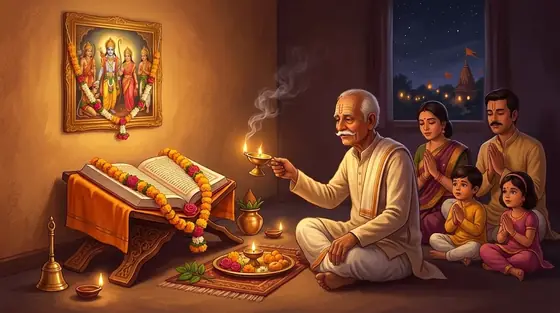
आरती श्री रामायण जी की
Aarti Shri Ramayan Ji Ki
श्री रामायण जी की आरती, गीता प्रेस के पाठ से, हर पद के अर्थ सहितThe aarti of the Ramayana in the Gita Press reading, with the meaning of every stanza