मंगल की सेवा सुन मेरी देवा
Mangal Ki Seva Sun Meri Deva
श्रीज्वाला-काली देवी की आरती, गीता प्रेस के पाठ से, हर पद के अर्थ सहितThe aarti of Jwala-Kali Devi in the Gita Press reading, with the meaning of every stanza
PDF डाउनलोडDownload PDF
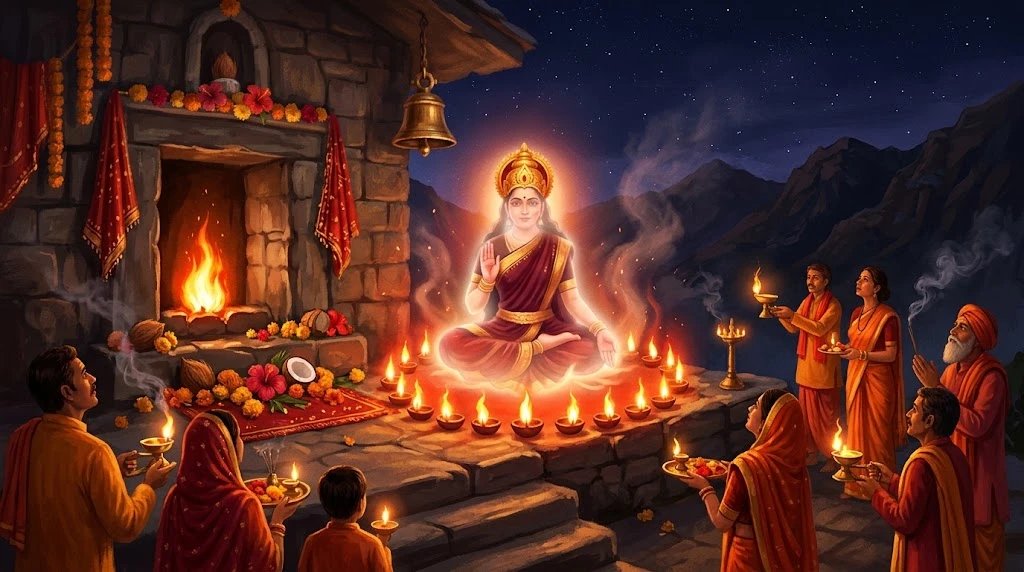
मंगल की सेवा सुन मेरी देवा उत्तर भारत में माँ महाकाली और ज्वाला देवी की सबसे प्रिय आरतियों में से है। इसकी विशेषता यह है कि इसके पद सप्ताह के सातों वारों से जुड़े हैं: मंगल, बुध, गुरु, शुक्र, शनिश्चर, आदित (रविवार) और सोम, हर वार पर देवी के एक रूप या लीला का स्मरण है। इसका रचयिता ज्ञात नहीं है; यह लोक-परम्परा से चली आई रचना है, जो माता की चौकी, नवरात्रि और काली मन्दिरों में गाई जाती है।
यहाँ दिया गया पाठ गीता प्रेस, गोरखपुर के श्रीआरती-संग्रह में 'श्रीज्वाला-काली देवीजी' शीर्षक से छपी आरती के अनुसार है। हर पद के नीचे उसका सीधा अर्थ है, ताकि गाते समय शब्दों का भाव भी साथ चले। साइन-इन करके पूरा पाठ PDF में उतारकर आप उसे छाप सकते हैं या परिवार को भेज सकते हैं।
Mangal Ki Seva Sun Meri Deva is one of the best-loved aartis of Mahakali and Jwala Devi in North India. What sets it apart is that its stanzas follow the seven days of the week: Tuesday, Wednesday, Thursday, Friday, Saturday, Sunday and Monday, each recalling a form or a deed of the Goddess. The author is not known; it has come down through popular tradition and is sung at mata ki chauki gatherings, in Navratri and in Kali temples.
The text below follows the aarti printed under the heading 'Shri Jwala-Kali Deviji' in the Shri Aarti Sangrah of Gita Press, Gorakhpur. Under each stanza is a plain meaning, so the sense of the words travels with the singing. After signing in you can download the same text as a PDF to print or to send to family.
पाठThe text
टेकRefrain
‘मंगल’की सेवा, सुन मेरी देवा! हाथ जोड़ तेरे द्वार खड़े। पान-सुपारी, ध्वजा-नारियल ले ज्वाला तेरी भेंट धरे॥ सुन जगदम्बे न कर बिलंबे संतनके भंडार भरे। संतन प्रतिपाली सदा खुशाली जै काली कल्याण करे॥
यह पद मंगलवार का है: हे मेरी देवी, मंगल के दिन की यह सेवा सुनो; हम हाथ जोड़कर तुम्हारे द्वार पर खड़े हैं। हे ज्वाला, पान-सुपारी, ध्वजा और नारियल लेकर हम तुम्हें भेंट चढ़ाते हैं। हे जगदम्बा, देर न करो, संतों (भक्तों) के भण्डार भर दो; संतों की पालनहार, सदा सुख देने वाली काली की जय हो, वे कल्याण करती हैं।This stanza names Tuesday (Mangal): hear this Tuesday service, my Goddess; we stand at your door with folded hands. O Jwala, we bring betel leaf and areca nut, a flag and a coconut, and set them before you as our offering. O Jagdamba, do not delay, fill the stores of your saints and devotees; victory to Kali, protector of the saints and ever the giver of joy, who brings about our welfare.
पदVerse 1
‘बुद्ध’ विधाता तू जगमाता मेरा कारज सिद्ध करे। चरण-कमलका लिया आसरा शरण तुम्हारी आन परे॥ जब-जब भीर पड़े भक्तनपर तब-तब आय सहाय करे। संतन प्रतिपाली सदा खुशाली जै काली कल्याण करे॥
यह पद बुधवार का है: बुध के दिन, हे विधाता (सब रचने वाली), तू जगत की माता है, तू मेरा काम सिद्ध करती है। हमने तेरे चरण-कमलों का सहारा लिया है और तेरी शरण में आ पड़े हैं। जब-जब भक्तों पर संकट पड़ता है, तब-तब तू आकर सहायता करती है; संतों की पालनहार, सदा सुख देने वाली काली की जय हो।This stanza names Wednesday (Budh): on Wednesday, O maker of all things, you are the mother of the world, and you bring my work to fulfilment. We have taken shelter at your lotus feet and come to fall at your refuge. Whenever trouble falls on your devotees, you come and help them; victory to Kali, protector of the saints and ever the giver of joy.
पदVerse 2
‘गुरु’के बार सकल जग मोह्यो तरुणीरूप अनूप धरे। माता होकर पुत्र खिलावै, कहीं भार्या भोग करे॥ ‘शुक्र’ सुखदाई सदा सहाई संत खड़े जयकार करे। संतन प्रतिपाली सदा खुशाली जै काली कल्याण करे॥
यह पद गुरुवार और शुक्रवार का है: गुरु के वार तूने अनुपम युवती का रूप धरकर सारे जगत को मोह लिया। कहीं तू माता बनकर पुत्र को खिलाती है, कहीं पत्नी बनकर गृहस्थी का सुख भोगती है, अर्थात् हर सम्बन्ध में तू ही है। शुक्र के वार तू सुख देने वाली और सदा सहायता करने वाली है, संत खड़े होकर तेरी जयकार करते हैं; संतों की पालनहार काली की जय हो।This stanza names Thursday (Guru) and Friday (Shukra): on Thursday you took the form of a young woman of matchless beauty and enchanted the whole world. In one place you are a mother playing with her son, in another a wife sharing the joys of the home; you are present in every bond. On Friday you are the giver of happiness and the ever-ready helper, and the saints stand and hail you; victory to Kali, protector of the saints.
पदVerse 3
ब्रह्मा विष्णु महेस फल लिये भेंट देन तव द्वार खड़े। अटल सिंहासन बैठी माता सिर सोनेका छत्र फिरे॥ वार ‘शनिश्चर’ कुंकुम बरणी, जब लुंकड़पर हुकुम करे। संतन प्रतिपाली सदा खुशाली जै काली कल्याण करे॥
यह पद शनिवार का है: ब्रह्मा, विष्णु और महेश (शिव) फल लेकर तुम्हें भेंट देने के लिए तुम्हारे द्वार पर खड़े हैं। माता अटल सिंहासन पर विराजती हैं और उनके सिर पर सोने का छत्र घूमता है। शनिश्चर के वार माँ कुंकुम (रोली) जैसे लाल वर्ण की होकर लुंकड़ (देवी का सेवक वीर) को आज्ञा देती हैं; संतों की पालनहार काली की जय हो।This stanza names Saturday (Shanishchar): Brahma, Vishnu and Mahesh (Shiva) stand at your door with fruit to offer you. The Mother sits on an unshakeable throne, and a golden parasol turns above her head. On Saturday she takes on the red colour of kumkum and gives her orders to the Lunkad, the warrior who serves the Goddess; victory to Kali, protector of the saints.
पदVerse 4
खड्ग खपर त्रैशूल हाथ लिये रक्तबीजकूँ भस्म करे। शुंभ निशुंभ क्षणहिमें मारे महिषासुरको पकड़ दले॥ ‘आदित’ वारी आदि भवानी जन अपनेका कष्ट हरे। संतन प्रतिपाली सदा खुशाली जै काली कल्याण करे॥
यह पद रविवार (आदित्यवार) का है: हाथों में खड्ग (तलवार), खप्पर (कपाल-पात्र) और त्रिशूल लेकर तूने रक्तबीज को भस्म किया। शुम्भ और निशुम्भ को तूने क्षण भर में मार डाला और महिषासुर को पकड़कर कुचल दिया। आदित के वार आदि भवानी (सबसे पहली शक्ति) अपने भक्तों का कष्ट हरती हैं; संतों की पालनहार काली की जय हो।This stanza names Sunday (Aadit, the day of the Sun): with sword, skull-bowl and trident in your hands, you burnt the demon Raktabija to ashes. You slew Shumbha and Nishumbha in an instant, and seized Mahishasura and crushed him. On Sunday the primal Bhavani, the first of all powers, takes away the suffering of her own people; victory to Kali, protector of the saints.
पदVerse 5
कुपित होय कर दानव मारे चण्ड मुण्ड सब चूर करे। जब तुम देखौ दयारूप हो, पलमें संकट दूर टरे॥ ‘सोम’ स्वभाव धर्यो मेरी माता जनकी अर्ज कबूल करे। संतन प्रतिपाली सदा खुशाली जै काली कल्याण करे॥
यह पद सोमवार का है: क्रोध करके तूने दानवों को मारा और चण्ड-मुण्ड को चूर-चूर कर दिया। पर जब तू दया का रूप धरकर देखती है, तो पल भर में संकट टल जाता है। सोम के वार मेरी माता चन्द्रमा जैसा शीतल, सौम्य स्वभाव धारण करती हैं और भक्त की विनती स्वीकार करती हैं; संतों की पालनहार काली की जय हो।This stanza names Monday (Som, the day of the Moon): in your wrath you slew the demons and ground Chanda and Munda to dust. Yet when you look with the face of mercy, trouble passes in a moment. On Monday my Mother takes on a nature as gentle and cool as the Moon and grants the plea of her devotee; victory to Kali, protector of the saints.
पदVerse 6
सात बारकी महिमा बरनी सब गुण कौन बखान करे। सिंहपीठपर चढ़ी भवानी अटल भवनमें राज्य करे॥ दर्शन पावें मंगल गावें सिध साधक तेरी भेंट धरे। संतन प्रतिपाली सदा खुशाली जै काली कल्याण करे॥
सातों वारों की महिमा का वर्णन हो गया, पर तेरे सारे गुणों का बखान कौन कर सकता है? सिंह की पीठ पर सवार भवानी अपने अटल धाम में राज्य करती हैं। सिद्ध और साधक तेरे दर्शन पाते हैं, मंगल-गीत गाते हैं और तुझे भेंट चढ़ाते हैं; संतों की पालनहार काली की जय हो।The glory of all seven days has now been told, but who could ever recount all your qualities? Bhavani, mounted on the back of her lion, reigns in her unshakeable abode. Siddhas and seekers gain your darshan, sing songs of blessing and lay their offerings before you; victory to Kali, protector of the saints.
पदVerse 7
ब्रह्मा वेद पढ़े तेरे द्वारे शिवशंकर हरि ध्यान करे। इन्द्र कृष्ण तेरी करैं आरती चमर कुबेर डुलाय करे॥ जय जननी जय मातु भवानी अचल भवनमें राज्य करे। संतन प्रतिपाली सदा खुशाली जय काली कल्याण करे॥
ब्रह्मा तेरे द्वार पर वेद पढ़ते हैं, और शिव-शंकर तथा हरि (विष्णु) तेरा ध्यान करते हैं। इन्द्र और कृष्ण तेरी आरती करते हैं और कुबेर (धन के देवता) तुझ पर चँवर डुलाते हैं। हे जननी, हे माता भवानी, तेरी जय हो, तू अपने अचल धाम में राज्य करती है; संतों की पालनहार, सदा सुख देने वाली काली की जय हो, वे कल्याण करती हैं।Brahma recites the Vedas at your door, and Shiva-Shankar and Hari (Vishnu) meditate on you. Indra and Krishna perform your aarti, and Kubera, the lord of wealth, waves the chamar, the yak-tail whisk, over you. Victory to you, Mother; victory to you, Mother Bhavani, who reigns in her unmoving abode; victory to Kali, protector of the saints and ever the giver of joy, who brings about our welfare.
आरती कैसे करेंHow the aarti is done
आरती पूजा का अन्तिम चरण है। स्नान करके पूजा-स्थान साफ़ करें और माँ काली या ज्वाला देवी के चित्र के सामने चौकी पर लाल वस्त्र बिछाएँ। आरती के पहले पद में ही भेंट गिनाई गई है: पान, सुपारी, ध्वजा (लाल चुनरी या झण्डा) और नारियल। इनके साथ घी या सरसों के तेल का दीपक, लाल फूल और प्रसाद रखें, और पहले गणेश जी को प्रणाम करें।
फिर थाली में दीपक या कपूर रखकर, घंटी बजाते हुए यह आरती गाएँ और थाली को घड़ी की दिशा में घुमाएँ। पहला पद टेक है; हर पद के अन्त में 'संतन प्रतिपाली सदा खुशाली जै काली कल्याण करे' सब मिलकर गाते हैं। गीता प्रेस इस पंक्ति को आगे के पदों में केवल संकेत से छापता है; यहाँ वह हर पद में पूरी लिखी गई है।
आरती के बाद थाली सब उपस्थित लोगों के सामने ले जाई जाती है; हर कोई ज्योति पर हाथ फेरकर आँखों और सिर से लगाता है। अन्त में नारियल और प्रसाद बाँटें।
Aarti is the last step of the puja. Bathe, clean the place of worship, and spread a red cloth on a low stool before the picture of Mother Kali or Jwala Devi. The first stanza itself lists the offerings: betel leaf, areca nut, a flag (a red chunri or pennant) and a coconut. Set these out with a lamp of ghee or mustard oil, red flowers and prasad, and bow to Ganesha first.
Then place the lamp or camphor on a plate, ring the bell, sing this aarti and move the plate clockwise before the Goddess. The first stanza is the refrain; at the end of every stanza everyone sings 'Santan pratipali sada khushali jai Kali kalyan kare' together. Gita Press prints this line in the later stanzas only as a short cue; here it is written out in full in each stanza.
When the aarti ends, the plate is carried to everyone present; each person passes the hands over the flame and touches them to the eyes and the head. Then the coconut and the prasad are shared.
सातों वारों की आरतीAn aarti of the seven days
इस आरती की बनावट अनोखी है। छपे पाठ में वारों के नाम उद्धरण-चिह्नों में दिए गए हैं: ‘मंगल’, ‘बुद्ध’, ‘गुरु’, ‘शुक्र’, ‘शनिश्चर’, ‘आदित’ और ‘सोम’। आरती मंगलवार से आरम्भ होकर सप्ताह के सातों दिनों से गुज़रती है और सातवें पद में कहती है कि सात वारों की महिमा कह दी गई, पर माँ के सब गुण कोई नहीं कह सकता।
हर वार के साथ देवी का एक भाव जुड़ा है: गुरु के वार जगत को मोहने वाला तरुणी रूप, शनिश्चर के वार कुंकुम जैसा लाल वर्ण, आदित के वार रक्तबीज, शुम्भ-निशुम्भ और महिषासुर का संहार करने वाली आदि भवानी, और सोम के वार चन्द्रमा जैसा सौम्य स्वभाव। इस प्रकार एक ही आरती में काली का उग्र और करुण, दोनों रूप आ जाते हैं।
अन्तिम पद में ब्रह्मा, शिव, विष्णु, इन्द्र, कृष्ण और कुबेर, सब देवता माँ की सेवा में खड़े दिखाए गए हैं। यही इस आरती का भाव है: जिसकी सेवा देवता करते हैं, वह माँ अपने संतों की पालनहार है और देर किए बिना उनके भण्डार भरती है।
The aarti has an unusual design. In the printed text the names of the days stand in quotation marks: 'Mangal', 'Buddh', 'Guru', 'Shukra', 'Shanishchar', 'Aadit' and 'Som'. It begins with Tuesday, passes through all seven days of the week, and in the seventh stanza says that the glory of the seven days has been told, yet no one can tell all the Mother's qualities.
Each day carries a mood of the Goddess: on Thursday the youthful form that enchants the world, on Saturday the red of kumkum, on Sunday the primal Bhavani who destroyed Raktabija, Shumbha, Nishumbha and Mahishasura, and on Monday a nature as gentle as the Moon. So the fierce and the merciful faces of Kali both find a place in one aarti.
In the last stanza Brahma, Shiva, Vishnu, Indra, Krishna and Kubera all stand in the Mother's service. That is the heart of the aarti: the Mother whom the gods themselves serve is the protector of her saints and fills their stores without delay.
कब पढ़ेंWhen to read
नवरात्रि के नौ दिन सुबह और शाम की पूजा के अन्त में, काली पूजा और दीपावली की रात, अमावस्या को, और माता की चौकी या जागरण में। आरती मंगलवार से आरम्भ होती है, इसलिए मंगलवार की देवी-पूजा में इसका विशेष चलन है; सातों वारों का स्मरण होने से इसे किसी भी दिन गाया जा सकता है।At the end of the morning and evening puja through the nine days of Navratri, on the night of Kali Puja and Diwali, on Amavasya, and at mata ki chauki gatherings and jagrans. Because the aarti opens with Tuesday it is especially sung in the Tuesday worship of the Goddess; since it names all seven days, it can be sung on any day.
कुंडली मेंIn your kundli
ज्योतिष में माँ काली राहु और शनि की अधिष्ठात्री मानी जाती हैं। राहु की महादशा या अन्तर्दशा में, कुंडली में राहु के लग्न, चतुर्थ, अष्टम या द्वादश भाव में होने पर, कालसर्प दोष में, और शनि की साढ़ेसाती या ढैया में काली उपासना और यह आरती बताई जाती है। भय, भ्रम और अचानक आए संकट के समय भी देवी की आरती का विधान है। अपनी कुंडली में राहु और शनि की स्थिति और चल रही दशा इसी साइट पर देखी जा सकती है।In Jyotish Mother Kali presides over Rahu and Saturn. The worship of Kali with this aarti is the usual advice in a Rahu mahadasha or antardasha, when Rahu sits in the lagna or in the fourth, eighth or twelfth house, in Kala Sarpa dosha, and during Saturn's sade sati or dhaiya. The aarti of the Goddess is also prescribed in times of fear, confusion and sudden trouble. You can check where Rahu and Saturn stand in your own kundli, and which dasha is running, on this site.
ग्रह: Grahas: राहुRahu, शनिSaturn
अपनी कुंडली में देखेंCheck it in your kundliप्रश्नोत्तरQuestions people ask
- मंगल की सेवा सुन मेरी देवा आरती कब गानी चाहिए?When should Mangal Ki Seva Sun Meri Deva be sung?
- नवरात्रि में सुबह-शाम की पूजा के अन्त में, काली पूजा और दीपावली की रात, और माता की चौकी या जागरण में। आरती मंगलवार से आरम्भ होती है, इसलिए मंगलवार की देवी-पूजा में इसका विशेष चलन है, पर सातों वारों का स्मरण होने से इसे किसी भी दिन गाया जा सकता है।At the end of the morning and evening puja in Navratri, on Kali Puja and Diwali night, and at a mata ki chauki or jagran. As the aarti opens with Tuesday it is especially sung in the Tuesday worship of the Goddess, but since it names all seven days it can be sung on any day.
- इस आरती में 'मंगल', 'बुद्ध', 'गुरु' का क्या अर्थ है?What do 'Mangal', 'Buddh' and 'Guru' mean in this aarti?
- ये सप्ताह के वारों के नाम हैं: मंगल (मंगलवार), बुद्ध (बुधवार), गुरु (गुरुवार), शुक्र (शुक्रवार), शनिश्चर (शनिवार), आदित (रविवार) और सोम (सोमवार)। गीता प्रेस इन्हें उद्धरण-चिह्नों में छापता है ताकि पता चले कि हर पद किस वार का है। कुछ लोग 'बुद्ध' को 'बुद्धि' और 'सोम' को 'सौम्य' गाते हैं।They are the days of the week: Mangal (Tuesday), Buddh (Wednesday), Guru (Thursday), Shukra (Friday), Shanishchar (Saturday), Aadit (Sunday) and Som (Monday). Gita Press prints them in quotation marks to show which day each stanza belongs to. Some singers say 'buddhi' (intellect) for 'Buddh' and 'saumya' (gentle) for 'Som'.
- महाकाली की आरती गाने से क्या लाभ होता है?What is the benefit of singing this Mahakali aarti?
- आरती स्वयं कहती है कि जब-जब भक्तों पर संकट पड़ता है, तब-तब माँ आकर सहायता करती हैं, और दया-दृष्टि से पल भर में संकट टल जाता है। परम्परा में इसे भय, शत्रु-बाधा और कठिन समय में माँ की शरण लेने के लिए, और घर के भण्डार भरे रहने की कामना से गाया जाता है।The aarti itself says that whenever trouble falls on the devotees, the Mother comes to help, and that under her merciful gaze trouble passes in a moment. By tradition it is sung to take refuge in her in fear, enmity and hard times, and with the wish that the stores of the home stay full.
- काली माता की आरती के नियम क्या हैं?What are the rules for the Kali aarti?
- स्नान करके स्वच्छ वस्त्र पहनें, पूजा-स्थान साफ़ रखें, दीपक जलाएँ और पहले गणेश जी को प्रणाम करें। आरती में बताई भेंट, पान, सुपारी, ध्वजा और नारियल, सम्भव हो तो रखें। आरती खड़े होकर, घंटी बजाते हुए, थाली घड़ी की दिशा में घुमाकर गाई जाती है; अन्त में ज्योति सब पर फेरें और प्रसाद बाँटें।Bathe and wear clean clothes, keep the place of worship clean, light a lamp and bow to Ganesha first. If possible, set out the offerings the aarti names: betel leaf, areca nut, a flag and a coconut. The aarti is sung standing, with the bell ringing and the plate moving clockwise; at the end pass the flame to everyone present and share the prasad.
साथ में पढ़ेंRead alongside
 चालीसाChalisas
श्री काली चालीसा
Kali Chalisa
माँ काली की चालीस चौपाइयाँ, अर्थ सहितForty verses to Mother Kali, with the meaning of every line
 आरतीAartis
अम्बे तू है जगदम्बे काली
Ambe Tu Hai Jagdambe Kali
आरती श्री काली जी की, छपी पोथी के पाठ से, हर पद के अर्थ सहितThe aarti of Mother Kali from a printed collection, with the meaning of every stanza
 चालीसाChalisas
श्री दुर्गा चालीसा
Durga Chalisa
माँ दुर्गा की चालीसा, गीता प्रेस के पाठ से, हर चौपाई के अर्थ सहितThe Chalisa of Mother Durga in the Gita Press reading, with the meaning of every verse
 आरतीAartis
जय अम्बे गौरी
Jai Ambe Gauri
माँ दुर्गा (अम्बे) की आरती, शिवानन्द स्वामी रचित, अर्थ सहितThe aarti of Durga as Mother Ambe, sung by Shivanand Swami, with the meaning of every stanza