जय अम्बे गौरी
Jai Ambe Gauri
माँ दुर्गा (अम्बे) की आरती, शिवानन्द स्वामी रचित, अर्थ सहितThe aarti of Durga as Mother Ambe, sung by Shivanand Swami, with the meaning of every stanza
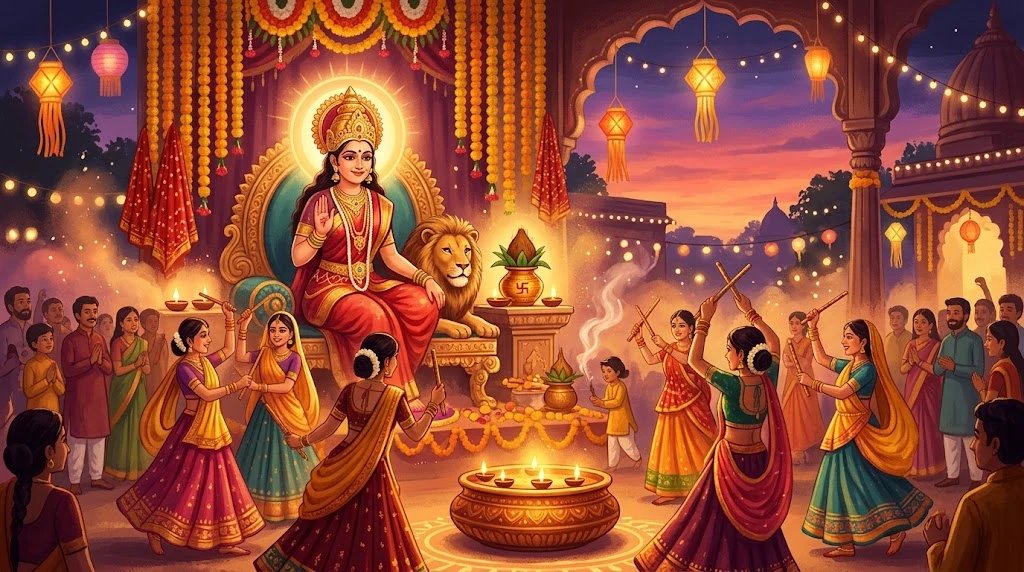
PDF डाउनलोडDownload PDF
जय अम्बे गौरी माँ दुर्गा की सबसे प्रसिद्ध आरती है, जो नवरात्रि के नौ दिन, माता की चौकी और जागरण में, और घर-घर की दैनिक पूजा में गाई जाती है। अन्तिम पद के अनुसार इसके रचयिता शिवानन्द स्वामी हैं। तेरह पदों में माँ के रूप, आयुध, वाहन, असुर-संहार और भक्तों पर कृपा का वर्णन है।
यहाँ गीता प्रेस, गोरखपुर के श्रीआरती-संग्रह के पाठ के अनुसार पूरी आरती दी गई है। हर पद के नीचे उसका सीधा अर्थ है, ताकि आरती गाते समय शब्दों का भाव भी साथ चले। साइन-इन करके पूरा पाठ PDF में उतारा जा सकता है, छापने या परिवार को भेजने के लिए।
Jai Ambe Gauri is the best-known aarti of Durga. It is sung through the nine nights of Navratri, at Mata ki chauki and jagran gatherings, and in the daily puja of countless homes. Its closing stanza names Shivanand Swami as the composer. In thirteen stanzas it describes the Mother's form, her weapons, her lion, the demons she slew and the grace she shows her devotees.
The text here follows the Gita Press, Gorakhpur Shri Aarti Sangrah. Under each stanza is a plain meaning, so the sense of the words travels with the singing. After signing in you can download the whole text as a PDF, to print or to send to family.
पाठThe text
टेकRefrain
जय अम्बे गौरी मैया जय श्यामागौरी। तुमको निशिदिन ध्यावत हरि ब्रह्मा शिव री॥ जय अम्बे गौरी॥
हे अम्बे गौरी माता, आपकी जय हो; हे श्यामा गौरी (साँवले और गोरे, दोनों रूपों वाली माँ), आपकी जय हो। हरि (विष्णु), ब्रह्मा और शिव भी रात-दिन आपका ध्यान करते हैं।Victory to you, Mother Ambe Gauri; victory to you, Shyama Gauri (the Mother in both her dark and her fair forms). Hari (Vishnu), Brahma and Shiva themselves meditate on you night and day.
पदVerse 1
माँग सिंदूर विराजत टीको मृगमदको। उज्ज्वलसे दोउ नैना, चंद्रवदन नीको॥ जय अम्बे गौरी॥
आपकी माँग में सिन्दूर और माथे पर कस्तूरी (मृगमद) का टीका शोभा देता है। आपके दोनों नेत्र उज्ज्वल हैं और चन्द्रमा जैसा मुख अत्यन्त सुन्दर है।Vermilion shines in the parting of your hair, and a mark of musk on your brow. Your two eyes are bright, and your moon-like face is lovely.
पदVerse 2
कनक समान कलेवर रक्ताम्बर राजै। रक्त-पुष्प गल माला, कण्ठनपर साजै॥ जय अम्बे गौरी॥
आपका शरीर सोने के समान दमकता है और उस पर लाल वस्त्र शोभा देता है। गले में लाल फूलों की माला है, जो कण्ठ पर सजी है।Your body gleams like gold, and a red garment adorns it. A garland of red flowers hangs at your throat.
पदVerse 3
केहरि वाहन राजत, खड्ग खपर धारी। सुर-नर-मुनि-जन सेवत, तिनके दुखहारी॥ जय अम्बे गौरी॥
आप सिंह (केहरि) पर सवार होकर सुशोभित हैं और हाथों में खड्ग तथा खप्पर धारण किए हैं। देवता, मनुष्य और मुनि सब आपकी सेवा करते हैं, और आप उनके दुःख हरती हैं।Mounted on the lion (kehari) you shine, holding the sword and the skull-bowl. Gods, men and sages all serve you, and you take away their sorrows.
पदVerse 4
कानन कुण्डल शोभित, नासाग्रे मोती। कोटिक चंद्र दिवाकर सम राजत ज्योती॥ जय अम्बे गौरी॥
आपके कानों में कुण्डल और नाक की नोक पर मोती सुशोभित है। आपकी ज्योति करोड़ों चन्द्रमाओं और सूर्यों के समान प्रकाशमान है।Earrings adorn your ears, and a pearl the tip of your nose. Your light shines like crores of moons and suns.
पदVerse 5
शुम्भ निशुम्भ विदारे, महिषासुर-घाती। धूम्रविलोचन नैना निशिदिन मदमाती॥ जय अम्बे गौरी॥
आपने शुम्भ और निशुम्भ (असुरों) को चीर डाला और महिषासुर का वध किया। धूम्रलोचन असुर का भी आपने अन्त किया; आपके नेत्र रात-दिन (युद्ध के) मद से मतवाले रहते हैं।You tore apart the demons Shumbha and Nishumbha and slew Mahishasura. Dhumralochana too met his end at your hands; your eyes are ever wild with the fervour of battle.
पदVerse 6
चण्ड मुण्ड संहारे, शोणितबीज हरे। मधु कैटभ दोउ मारे, सुर भयहीन करे॥ जय अम्बे गौरी॥
आपने चण्ड और मुण्ड का संहार किया और रक्तबीज (शोणितबीज) का नाश किया। मधु और कैटभ दोनों को मारकर आपने देवताओं को भय से मुक्त किया।You destroyed Chanda and Munda and finished Raktabija (Shonitabija). Slaying both Madhu and Kaitabha, you freed the gods from fear.
पदVerse 7
ब्रह्माणी, रुद्राणी तुम कमलारानी। आगम-निगम-बखानी, तुम शिव पटरानी॥ जय अम्बे गौरी॥
आप ही ब्रह्माणी (ब्रह्मा की शक्ति), रुद्राणी (शिव की शक्ति) और कमला रानी (लक्ष्मी) हैं। आगम (तन्त्र) और निगम (वेद) आपका बखान करते हैं; आप शिव की पटरानी हैं।You are Brahmani (the power of Brahma), Rudrani (the power of Shiva) and Kamala, the queen Lakshmi. The Agamas and the Vedas sing your praise; you are the chief queen of Shiva.
पदVerse 8
चौंसठ योगिनि गावत, नृत्य करत भैरूँ। बाजत ताल मृदंगा औ बाजत डमरू॥ जय अम्बे गौरी॥
चौंसठ योगिनियाँ आपका गुणगान करती हैं और भैरव नृत्य करते हैं। ताल और मृदंग बजते हैं और साथ में डमरू भी बजता है।The sixty-four yoginis sing your praise and Bhairava dances. Cymbals and the mridanga sound, and the damaru plays with them.
पदVerse 9
तुम ही जगकी माता, तुम ही हो भरता। भक्तनकी दुख हरता सुख सम्पति करता॥ जय अम्बे गौरी॥
आप ही जगत की माता हैं और आप ही सबका भरण-पोषण करने वाली हैं। आप भक्तों का दुःख हरती हैं और उन्हें सुख और सम्पत्ति देती हैं।You alone are the mother of the world, and you alone sustain it. You take away the sorrows of your devotees and give them happiness and wealth.
पदVerse 10
भुजा चार अति शोभित, वर-मुद्रा धारी। मनवांछित फल पावत, सेवत नर-नारी॥ जय अम्बे गौरी॥
आपकी चार भुजाएँ अत्यन्त शोभायमान हैं और आप वर-मुद्रा (वरदान देने की मुद्रा) धारण किए हैं। जो नर-नारी आपकी सेवा करते हैं, वे मनचाहा फल पाते हैं।Your four arms are splendid, and your hand is raised in the gesture of granting boons. The men and women who serve you receive the fruit their hearts desire.
पदVerse 11
कंचन थाल विराजत अगर कपुर बाती। (श्री) मालकेतुमें राजत कोटिरतन ज्योती॥ जय अम्बे गौरी॥
सोने के थाल में अगर (अगरु धूप), कपूर और बत्ती सजी है। श्री मालकेतु (माँ का पर्वत-धाम) में आप करोड़ों रत्नों की ज्योति के समान विराजती हैं।On a golden platter are set agar incense, camphor and the wick. On Malketu (the Mother's mountain seat) you shine like the light of crores of jewels.
पदVerse 12
(श्री) अम्बेजीकी आरति जो कोइ नर गावै। कहत शिवानँद स्वामी, सुख सम्पति पावै॥ जय अम्बे गौरी॥
शिवानन्द स्वामी (इस आरती के रचयिता) कहते हैं कि जो कोई मनुष्य श्री अम्बे जी की यह आरती गाता है, वह सुख और सम्पत्ति पाता है।Shivanand Swami, the composer of this aarti, says that whoever sings this aarti of Ambe Ji gains happiness and wealth.
आरती कैसे करेंHow the aarti is done
माँ दुर्गा की पूजा के अन्त में आरती होती है। थाल में घी का दीपक या कपूर, साथ में फूल, अक्षत और थोड़ा जल रखें। पहले माँ को रोली-चावल का तिलक, लाल फूल या गुड़हल, और भोग (हलवा, पूरी, चना, नारियल या मिठाई) अर्पित करें, फिर आरती आरम्भ करें।
दीपक को माँ के सामने घड़ी की दिशा में घुमाते हुए आरती गाएँ: पहले चरणों पर, फिर नाभि पर, फिर मुख पर, और अन्त में पूरे विग्रह पर। हर पद के बाद टेक 'जय अम्बे गौरी' दोहराई जाती है; घर के सब लोग मिलकर गाएँ और ताली या घण्टी से ताल दें।
आरती पूरी होने पर दीपक की ज्योति सब पर फेरें और हथेलियों से उसकी आँच लेकर सिर और आँखों पर लगाएँ। फिर जल से आरती का अभिषेक करें, क्षमा-प्रार्थना करें और प्रसाद बाँटें। नवरात्रि में यह आरती सुबह और शाम दोनों समय की जाती है।
Aarti comes at the end of the worship of Durga. On a platter set a ghee lamp or camphor, with flowers, unbroken rice and a little water. First offer the Mother a tilak of roli and rice, red flowers or hibiscus, and bhog (halwa, puri, chana, a coconut or sweets); then begin the aarti.
Sing while circling the lamp clockwise before the Mother: first at the feet, then at the navel, then at the face, and finally over the whole image. After every stanza the refrain 'Jai Ambe Gauri' is repeated; the whole household sings together, keeping time with claps or a bell.
When the aarti ends, pass the flame around to everyone present; each takes its warmth with the palms and touches the head and eyes. Then sprinkle a little water around the lamp, ask the Mother's forgiveness for any lapse, and share the prasad. During Navratri this aarti is sung both morning and evening.
महत्वMeaning
यह आरती एक छोटे देवी-माहात्म्य की तरह है। पहले पदों में माँ का रूप है: माँग का सिन्दूर, कस्तूरी का टीका, सोने जैसा शरीर, लाल वस्त्र, सिंह का वाहन, खड्ग और खप्पर, कानों के कुण्डल और नाक का मोती। यह वही रूप है जो नवरात्रि में घर-घर स्थापित होता है।
बीच के पद दुर्गा सप्तशती के युद्धों को याद दिलाते हैं: शुम्भ-निशुम्भ, महिषासुर, धूम्रलोचन, चण्ड-मुण्ड, रक्तबीज और मधु-कैटभ का संहार, जिससे देवता भयमुक्त हुए। माँ ब्रह्माणी, रुद्राणी और कमला रानी, तीनों शक्तियाँ एक हैं, और वेद तथा तन्त्र दोनों उनका बखान करते हैं।
अन्तिम पद आरती का फल बताते हैं: माँ भक्तों का दुःख हरती हैं और सुख-सम्पत्ति देती हैं; जो नर-नारी उनकी सेवा करते हैं, वे मनचाहा फल पाते हैं। इसीलिए यह आरती संकट, रोग, भय और घर की अशान्ति में विशेष श्रद्धा से गाई जाती है।
This aarti is a small Devi Mahatmya in itself. The opening stanzas paint the Mother's form: vermilion in the hair, a musk mark on the brow, a body like gold, red garments, the lion she rides, the sword and skull-bowl, earrings and a nose pearl. It is the very image set up in homes during Navratri.
The middle stanzas recall the battles of the Durga Saptashati: the slaying of Shumbha and Nishumbha, Mahishasura, Dhumralochana, Chanda and Munda, Raktabija and Madhu-Kaitabha, by which the gods were freed from fear. The Mother is Brahmani, Rudrani and Kamala in one, and both the Vedas and the Tantras praise her.
The closing stanzas state the fruit of the aarti: the Mother removes the sorrows of her devotees and gives them happiness and wealth; the men and women who serve her receive what their hearts desire. That is why it is sung with special faith in times of trouble, illness, fear and unrest at home.
कब पढ़ेंWhen to read
नवरात्रि के नौ दिन सुबह और शाम की पूजा के अन्त में; शुक्रवार और मंगलवार को माँ दुर्गा की पूजा में; और जो नित्य देवी-उपासना करते हैं, उनकी दैनिक सन्ध्या आरती में। माता की चौकी और जागरण में भी इसी से आरम्भ होता है।At the end of the morning and evening puja through the nine days of Navratri; on Fridays and Tuesdays in the worship of Durga; and in the daily evening aarti of those who worship the Goddess every day. Mata ki chauki and jagran gatherings also open with it.
कुंडली मेंIn your kundli
माँ दुर्गा का सम्बन्ध मंगल और राहु से है। कुंडली में मंगल के नीच, अस्त या पीड़ित होने पर, मंगल दोष में, और राहु की महादशा या अन्तर्दशा में, या जब गोचर का राहु लग्न या चन्द्रमा पर हो, तब दुर्गा उपासना, नवरात्रि व्रत और यह आरती बताई जाती है। भय, दुर्घटना, कर्ज और शत्रु-बाधा के योगों में भी देवी की आरती का विधान है। अपनी कुंडली में मंगल और राहु की स्थिति इसी साइट पर देखी जा सकती है।Durga is linked with Mars and Rahu. When Mars is debilitated, combust or afflicted in the kundli, in Mangal dosha, during a Rahu mahadasha or antardasha, or when transiting Rahu sits on the lagna or the Moon, the worship of Durga, the Navratri fast and this aarti are the usual advice. The aarti is also prescribed for yogas of fear, accident, debt and enemies. You can check the state of Mars and Rahu in your own kundli on this site.
ग्रह: Grahas: मंगलMars, राहुRahu
अपनी कुंडली में देखेंCheck it in your kundliप्रश्नोत्तरQuestions people ask
- जय अम्बे गौरी आरती किसने लिखी?Who wrote the Jai Ambe Gauri aarti?
- आरती के अन्तिम पद में 'कहत शिवानँद स्वामी' आता है, इसलिए इसके रचयिता शिवानन्द स्वामी माने जाते हैं। उनके बारे में और कुछ निश्चित नहीं है; यह आरती परम्परा से घर-घर पहुँची है और गीता प्रेस के आरती-संग्रह में छपी है।The last stanza says 'kahat Shivanand Swami', so Shivanand Swami is taken to be the composer. Nothing more is known of him for certain; the aarti has come down by tradition and is printed in the Gita Press aarti collection.
- जय अम्बे गौरी आरती कब गानी चाहिए?When should Jai Ambe Gauri be sung?
- नवरात्रि के नौ दिन सुबह-शाम, शुक्रवार और मंगलवार की देवी पूजा में, और माता की चौकी या जागरण में। जो नित्य देवी की उपासना करते हैं, वे इसे रोज़ सन्ध्या आरती में गाते हैं।Morning and evening through the nine days of Navratri, in the Friday and Tuesday worship of the Goddess, and at Mata ki chauki or jagran. Those who worship the Goddess daily sing it in the evening aarti every day.
- आरती के समय दीपक कैसे घुमाएँ?How is the lamp moved during the aarti?
- दीपक को माँ के सामने घड़ी की दिशा में घुमाएँ: पहले चरणों पर, फिर नाभि पर, फिर मुख पर और अन्त में पूरे विग्रह पर। आरती के बाद ज्योति सब पर फेरें और हथेलियों से उसकी आँच लेकर सिर पर लगाएँ।Circle the lamp clockwise before the Mother: first at the feet, then at the navel, then at the face, and finally over the whole image. Afterwards pass the flame to everyone, who take its warmth with their palms and touch their head.
- जय अम्बे गौरी आरती के क्या लाभ हैं?What are the benefits of the Jai Ambe Gauri aarti?
- आरती स्वयं कहती है कि माँ भक्तों का दुःख हरती हैं और सुख-सम्पत्ति देती हैं, और जो नर-नारी उनकी सेवा करते हैं वे मनचाहा फल पाते हैं। परम्परा में इसे भय, रोग, शत्रु-बाधा और घर की अशान्ति दूर करने के लिए गाया जाता है; ज्योतिष में मंगल और राहु की पीड़ा में इसका विधान है।The aarti itself says that the Mother removes her devotees' sorrows and gives happiness and wealth, and that men and women who serve her get what their hearts desire. By tradition it is sung to remove fear, illness, enemies and unrest at home; in astrology it is prescribed when Mars and Rahu afflict the kundli.
साथ में पढ़ेंRead alongside
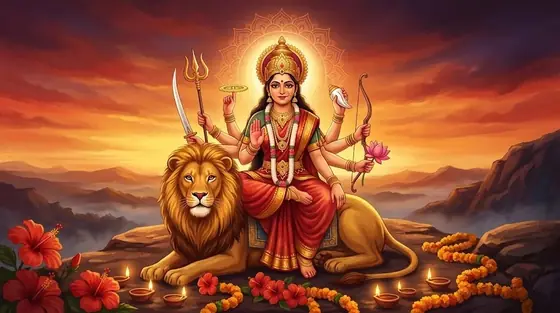 चालीसाChalisas
श्री दुर्गा चालीसा
Durga Chalisa
माँ दुर्गा की चालीसा, गीता प्रेस के पाठ से, हर चौपाई के अर्थ सहितThe Chalisa of Mother Durga in the Gita Press reading, with the meaning of every verse
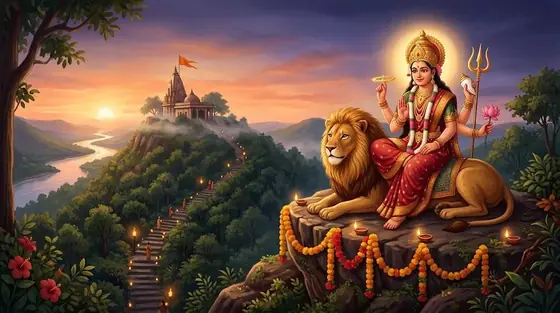 चालीसाChalisas
श्री विन्ध्येश्वरी चालीसा
Vindhyeshwari Chalisa
विन्ध्याचल की देवी विन्ध्यवासिनी की स्तुति, हर चौपाई के अर्थ सहितThe hymn to Vindhyavasini, the Devi of Vindhyachal, with the meaning of every verse
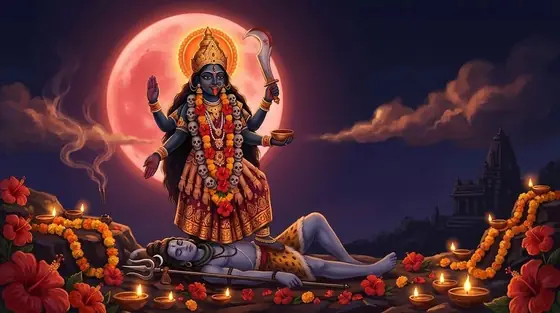 चालीसाChalisas
श्री काली चालीसा
Kali Chalisa
माँ काली की चालीस चौपाइयाँ, अर्थ सहितForty verses to Mother Kali, with the meaning of every line
 व्रत कथाVrat Kathas
शुक्रवार व्रत कथा
Shukravar Vrat Katha
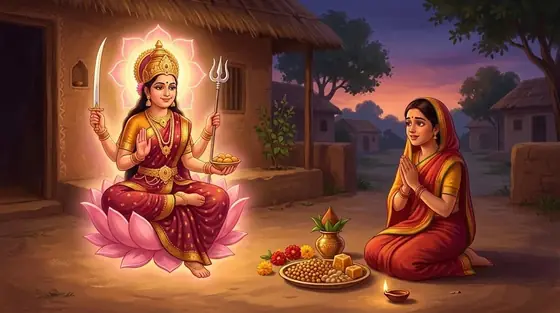
संतोषी माता का शुक्रवार व्रत — सात बेटों वाली बुढ़िया और छोटी बहू की कथा, सोलह शुक्रवार की विधि और उद्यापनThe Friday fast for Santoshi Mata: the old woman with seven sons and the youngest wife, the sixteen-Friday method, and the udyapan