श्री गंगा चालीसा
Ganga Chalisa
गंगा मैया की चालीस चौपाइयाँ, हर पंक्ति के अर्थ सहितForty verses to Mother Ganga, with the meaning of every line

PDF डाउनलोडDownload PDF
श्री गंगा चालीसा गंगा मैया की अवधी-मिश्रित हिन्दी स्तुति है: एक आरम्भिक दोहा, चालीस चौपाइयाँ और दो अन्तिम दोहे। उनतालीसवीं चौपाई में रचनाकार अपना नाम सुन्दरदास बताता है, जो ककरा ग्राम का निवासी और 'गंगा का दास' है; इससे अधिक उसके बारे में कुछ ज्ञात नहीं है। चालीसा पहले गंगा के रूप का वर्णन करती है, फिर सगर के पुत्रों के उद्धार, भगीरथ के तप, शिव की जटा में गंगा के समाने और तीन धाराओं (मन्दाकिनी, जाह्नवी, प्रभावती) की कथा सुनाती है, और अन्त में गंगा-स्नान, गंगाजल और गंगा-नाम के फल बताती है।
गंगा दशहरा, गंगा सप्तमी, कार्तिक पूर्णिमा और किसी भी नदी-स्नान के दिन लोग इसे पढ़ते हैं; पितरों की शान्ति, पापों से मुक्ति और मन की शुद्धि के लिए इसका नियमित पाठ किया जाता है। यहाँ दिया गया पाठ रणधीर प्रकाशन, हरिद्वार के छपे संग्रह से अक्षरशः उतारा गया है। हर दोहे और चौपाई के नीचे उसका सीधा अर्थ है, और साइन-इन के बाद पूरा पाठ PDF में मुफ्त उतारा जा सकता है।
The Shri Ganga Chalisa is a hymn to Mother Ganga in Awadhi-coloured Hindi: one opening doha, forty chaupais and two closing dohas. In the thirty-ninth chaupai the poet names himself Sundardas of Kakra village, 'servant of the Ganga'; beyond that name, the author is not known. The verses first describe the goddess, then tell how she freed the sons of Sagara, how Bhagiratha's penance brought her down, how she was caught in Shiva's locks and became three streams (Mandakini, Jahnavi and Prabhavati), and finally what bathing in her, drinking her water and saying her name bring.
People read it on Ganga Dussehra, Ganga Saptami and Kartik Purnima and on the day of any river bath, and take it up as a regular practice for the peace of their ancestors, release from sin and a clear mind. The text here is transcribed letter by letter from a printed collection by Randhir Prakashan, Haridwar. Under every doha and chaupai is a plain meaning, and after signing in you can download the whole text as a free PDF.
पाठThe text
दोहाDoha
जय जय जय जग पावनी जयति देवसरि गंग। जय शिव जटा निवासिनी अनुपम तुंग तरंग॥
संसार को पवित्र करने वाली, देवताओं की नदी गंगा, आपकी जय हो, जय हो, जय हो। शिव की जटाओं में निवास करने वाली, अनुपम ऊँची लहरों वाली माता, आपकी जय हो।Victory, victory, victory to Ganga, river of the gods, who makes the world pure. Victory to her who dwells in Shiva's matted locks, whose high waves have no equal.
चौपाईChaupai 1
जय जग जननि हरण अघ खानी। आनन्द करनि गंग महारानी॥
हे जगत की माता, पापों की खान को हर लेने वाली, आपकी जय हो। हे आनन्द देने वाली महारानी गंगा, आपकी जय हो।Victory to the mother of the world, who carries away whole mines of sin. Victory to Queen Ganga, the giver of joy.
चौपाईChaupai 2
जय भागीरथि सुरसरि माता। कलिमल मूल दलनि विख्याता॥
हे भागीरथी (राजा भगीरथ के तप से धरती पर आई), हे सुरसरि (देवताओं की नदी) माता, आपकी जय हो। आप कलियुग के मैल को जड़ से नष्ट करने वाली के रूप में विख्यात हैं।Victory to Mother Bhagirathi, brought down by King Bhagiratha's penance, the river of the gods. You are famed for destroying the filth of the Kali age at its root.
चौपाईChaupai 3
जय जय जय हनु सुता अघ हननी। भीषम की माता जग जननी॥
हे हनु-सुता, पापों का नाश करने वाली, आपकी जय हो, जय हो, जय हो (छपे पाठ में 'हनु सुता' है; प्रचलित परम्परा में गंगा जह्नु ऋषि की पुत्री, जाह्नवी, मानी जाती हैं)। आप भीष्म की माता और जगत की जननी हैं।Victory, victory, victory to the daughter of Hanu, slayer of sin (the print reads 'Hanu suta'; tradition calls Ganga the daughter of the sage Jahnu, hence Jahnavi). You are the mother of Bhishma and the mother of the world.
चौपाईChaupai 4
धवल कमल दल मम तनु साजे। लखि शत शरद चन्द्र छवि लाजे॥
आपका शरीर श्वेत कमल की पंखुड़ियों के समान सजा है; उसे देखकर शरद ऋतु के सौ चन्द्रमाओं की छवि भी लजा जाती है।Your form is adorned like the petals of a white lotus; seeing it, the beauty of a hundred autumn moons is put to shame.
चौपाईChaupai 5
वाहन मकर विमल शुचि सोहै। अमिय कलश कर लखि मन मोहै॥
आपका वाहन निर्मल और पवित्र मकर (मगर) सुशोभित है। आपके हाथ में अमृत का कलश देखकर मन मोहित हो जाता है।Your mount, the spotless and pure makara (crocodile), shines beside you. The pot of nectar in your hand charms the heart of all who see it.
चौपाईChaupai 6
जड़ित रत्न कंचन आभूषण। हिय मणि हार, हरणितम दूषण॥
आप रत्न-जड़ित सोने के आभूषण और हृदय पर मणियों का हार धारण करती हैं। आप अन्धकार और दोषों को हरने वाली हैं।You wear golden ornaments set with jewels and a necklace of gems upon your heart. You take away darkness and every fault.
चौपाईChaupai 7
जग पावनि त्रय ताप नसावनि। तरल तरंग तंग मन भावनि॥
आप संसार को पवित्र करने वाली और तीनों तापों (शारीरिक, दैवी और भौतिक कष्टों) का नाश करने वाली हैं। आपकी चंचल, ऊँची लहरें मन को भाती हैं।You purify the world and destroy the three kinds of suffering, of the body, from the gods and from the world around. Your rippling, towering waves delight the heart.
चौपाईChaupai 8
जो गणपति अति पूज्य प्रधाना। तिहुँ ते प्रथम गंग अस्नाना॥
गणपति, जो अत्यन्त पूज्य और सबमें प्रथम हैं, उनसे भी पहले गंगा-स्नान का स्थान है।Ganapati is most worshipful and first among all, yet a bath in the Ganga comes even before him.
चौपाईChaupai 9
ब्रह्म कमण्डल वासिनि देवी। श्री प्रभु पद पंकज सुख सेवी॥
आप ब्रह्मा के कमण्डल में निवास करने वाली देवी हैं, और प्रभु (विष्णु) के चरण-कमलों की सुखपूर्वक सेवा करती हैं।You are the goddess who dwells in Brahma's water-pot, and you serve with joy the lotus feet of the Lord, Vishnu.
चौपाईChaupai 10
साठि सहत्र सगर सुत तारयो। गंगा सागर तीरथ धारयो॥
आपने राजा सगर के साठ हज़ार पुत्रों का उद्धार किया और गंगासागर तीर्थ की स्थापना की।You set free the sixty thousand sons of King Sagara and founded the tirtha of Gangasagar.
चौपाईChaupai 11
अगम तरंग उठयो मन भावन। लखि तीरथ हरिद्वार सुहावन॥
आपकी अथाह और मनभावन लहरें उठीं, और हरिद्वार का सुहावना तीर्थ प्रकट हुआ।Your fathomless, lovely waves rose, and the beautiful tirtha of Haridwar came into being.
चौपाईChaupai 12
तीरथ राज प्रयाग अक्षैवट। धरयौ मातु पुनि काशी करवट॥
हे माता, आपने तीर्थराज प्रयाग और अक्षयवट को, और फिर काशी-करवट को अपने तट पर धारण किया।Mother, you held on your banks Prayag, the king of tirthas, with its undying banyan Akshayavat, and then Kashi Karvat.
चौपाईChaupai 13
धनि धनि सुरसरि स्वर्ग की सीढ़ी। तारणि अमित पितृ पद पीढ़ी॥
हे सुरसरि, आप धन्य हैं, धन्य हैं; आप स्वर्ग की सीढ़ी हैं और पितरों की अनगिनत पीढ़ियों को तारने वाली हैं।Blessed, blessed are you, river of the gods: you are the stairway to heaven and the saviour of countless generations of ancestors.
चौपाईChaupai 14
भागीरथ तप कियो अपारा। दियो ब्रह्म तब सुरसरि धारा॥
भगीरथ ने अपार तप किया, तब ब्रह्मा ने सुरसरि की धारा प्रदान की।Bhagiratha performed boundless penance, and then Brahma granted the stream of the heavenly river.
चौपाईChaupai 15
जब जग जननी चल्यो हहराई। शंभु जटा महँ रह्यो समाई॥
जब जगत की माता गरजती हुई वेग से उतरीं, तो वे शिव की जटाओं में समा गईं।When the mother of the world came rushing down with a roar, she was swallowed up in Shiva's matted locks.
चौपाईChaupai 16
वर्ष पर्यन्त गंग महारानी। रहीं शंभु के जटा भुलानी॥
महारानी गंगा वर्ष भर शिव की जटाओं में राह भूलकर भटकती रहीं।For a whole year Queen Ganga wandered lost within Shiva's locks.
चौपाईChaupai 17
मुनि भागीरथ शंभुहिं ध्यायो। तब इक बून्द जटा से पायो॥
तब मुनि भगीरथ ने शिव का ध्यान किया, और उन्हें जटा से एक बूँद प्राप्त हुई।Then the sage Bhagiratha meditated on Shiva, and received a single drop from his locks.
चौपाईChaupai 18
ताते मातु भई त्रय धारा। मृत्यु लोक, नभ अरु पातारा॥
उसी से माता की तीन धाराएँ हुईं: मृत्युलोक (पृथ्वी), आकाश और पाताल।From it the Mother became three streams: one for the mortal world, one for the sky and one for the underworld.
चौपाईChaupai 19
गई पाताल प्रभावति नामा। मन्दाकिनी गई गगन ललामा॥
पाताल में गई धारा प्रभावती कहलाई, और आकाश में गई सुन्दर धारा मन्दाकिनी।The stream that went to the underworld is called Prabhavati; the beautiful stream that went to the sky is Mandakini.
चौपाईChaupai 20
मृत्यु लोक जाह्नवी सुहावनि। कलिमल हरणि अगम जग पावनि॥
मृत्युलोक में वे सुहावनी जाह्नवी हैं, जो कलियुग के मैल को हरती हैं, अथाह हैं और जगत को पवित्र करती हैं।In the mortal world she is lovely Jahnavi, who takes away the filth of the Kali age, fathomless, the purifier of the world.
चौपाईChaupai 21
धनि मइया तव महिमा भारी। धर्म धुरि कलि कलुष कुठारी॥
हे मैया, आप धन्य हैं, आपकी महिमा बड़ी है। आप धर्म की धुरी हैं और कलियुग के पापों पर कुल्हाड़ी हैं।Blessed are you, Mother, and great is your glory. You are the axle on which dharma turns and an axe to the sins of the Kali age.
चौपाईChaupai 22
मातु प्रभावति धनि मन्दाकिनी। धनि सुरसरित सकल भयनासिनी॥
माता प्रभावती, धन्य मन्दाकिनी, धन्य सुरसरिता, आप सब भयों का नाश करने वाली हैं।Mother Prabhavati, blessed Mandakini, blessed river of the gods, you destroy every fear.
चौपाईChaupai 23
पान करत निर्मल गंगा जल। पावत मन इच्छित अनन्त फल॥
निर्मल गंगाजल पीने से मनचाहे और अनन्त फल मिलते हैं।Drinking the pure water of the Ganga brings the fruits one's heart desires, without end.
चौपाईChaupai 24
पूरब जन्म पुण्य जब जागत। तबहिं ध्यान गंगा महं लागत॥
जब पूर्वजन्म के पुण्य जागते हैं, तभी मन गंगा के ध्यान में लगता है।Only when the merit of past lives awakens does the mind turn to meditate on the Ganga.
चौपाईChaupai 25
जई पगु सुरसरि हेतु उठावहि। तइ जगि अश्वमेध फल पावहि॥
कोई गंगा की ओर जितने पग उठाता है, उतने ही अश्वमेध यज्ञों का फल पाता है।For every step a person takes towards the Ganga, they gain the fruit of as many ashvamedha sacrifices.
चौपाईChaupai 26
महा पतित जिन काहु न तारे। तिन तारे इक नाम तिहारे॥
जिन महापापियों को किसी ने नहीं तारा, उन्हें आपके एक नाम ने तार दिया।Great sinners whom no one else could save were saved by your name alone.
चौपाईChaupai 27
शत योजनहू से जो ध्यावहिं। निश्चय विष्णु लोक पद पावहिं॥
जो सौ योजन दूर से भी आपका ध्यान करते हैं, वे निश्चय ही विष्णुलोक में स्थान पाते हैं।Those who meditate on you even from a hundred yojanas away surely reach the world of Vishnu.
चौपाईChaupai 28
नाम भजत अगणित अघ नाशै। विमल ज्ञान बल बुद्धि प्रकाशै॥
आपका नाम भजने से अनगिनत पाप नष्ट होते हैं, और निर्मल ज्ञान, बल और बुद्धि का प्रकाश होता है।Chanting your name destroys countless sins and lights up pure knowledge, strength and understanding.
चौपाईChaupai 29
जिमि धन मूल धर्म अरु दाना। धर्म मूल गंगाजल पाना॥
जैसे धन का मूल धर्म और दान है, वैसे ही धर्म का मूल गंगाजल का पान है।As dharma and charity are the root of wealth, so drinking Ganga water is the root of dharma.
चौपाईChaupai 30
तव गुण गुणन करत दुख भाजत। गृह गृह सम्पति सुमति विराजत॥
आपके गुणों का मनन करने से दुःख भाग जाते हैं, और घर-घर में सम्पत्ति और सुबुद्धि बसती है।Dwelling on your virtues drives sorrow away, and wealth and good sense settle in every home.
चौपाईChaupai 31
गंगहि नेम सहित नित ध्यावत। दुर्जनहूँ सज्जन पद पावत॥
जो नियम के साथ नित्य गंगा का ध्यान करते हैं, वे दुर्जन हों तो भी सज्जन का पद पाते हैं।Those who meditate on the Ganga daily and with discipline rise to the rank of the good, even if they were wicked.
चौपाईChaupai 32
बुद्धिहीन विद्या बल पावै। रोगी रोग मुक्त ह्वै जावे॥
बुद्धिहीन विद्या और बल पाता है, और रोगी रोग से मुक्त हो जाता है।The dull gain learning and strength, and the sick are freed from disease.
चौपाईChaupai 33
गंगा गंगा जो नर कहहीं। भूखे नंगे कबहुँ न रहहीं॥
जो लोग 'गंगा, गंगा' कहते हैं, वे कभी भूखे और नंगे नहीं रहते।Those who say 'Ganga, Ganga' never go hungry or unclothed.
चौपाईChaupai 34
निकसत ही मुख गंगा माई। श्रवण दाबि यम चलहिं पराई॥
मुख से 'गंगा माई' निकलते ही यम (यमदूत) कान दबाकर भाग जाते हैं।The moment 'Mother Ganga' leaves one's lips, Yama's messengers clap their hands over their ears and flee.
चौपाईChaupai 35
महाँ अधिन अधमन कहँ तारें। भए नर्क के बन्द किवारे॥
आप बड़े-बड़े पापियों और अधमों को तारती हैं, जिससे नरक के किवाड़ बन्द हो गए।You save the greatest sinners and the lowest of the low, so that the doors of hell have been shut.
चौपाईChaupai 36
जो नर जपै गंग शत नामा। सकल सिद्ध पूरण ह्वै कामा॥
जो व्यक्ति गंगा के सौ नामों का जप करता है, उसके सब काम सिद्ध और पूर्ण हो जाते हैं।Whoever chants the hundred names of the Ganga sees every undertaking succeed and come to completion.
चौपाईChaupai 37
सब सुख भोग परम पद पावहिं। आवागमन रहित ह्वै जावहिं॥
वे सब सुख भोगकर परम पद पाते हैं, और जन्म-मरण के आवागमन से मुक्त हो जाते हैं।They enjoy every happiness, reach the highest state, and are freed from the coming and going of birth and death.
चौपाईChaupai 38
धनि मइया सुरसरि सुखदैनी। धनि धनि तीरथ राज त्रिवेणी॥
सुख देने वाली मैया सुरसरि धन्य हैं; तीर्थराज त्रिवेणी (प्रयाग में गंगा, यमुना और सरस्वती का संगम) धन्य है, धन्य है।Blessed is Mother Ganga, giver of happiness; blessed, blessed is Triveni, king of tirthas, the meeting of the Ganga, Yamuna and Sarasvati at Prayag.
चौपाईChaupai 39
ककरा ग्राम ऋषि दुर्वासा। सुन्दरदास गंगा कर दासा॥
ककरा ग्राम, जो ऋषि दुर्वासा का स्थान है, वहाँ का सुन्दरदास गंगा का दास है (यहाँ रचनाकार अपना नाम देता है)।Of Kakra village, the seat of the sage Durvasa, is Sundardas, servant of the Ganga (here the poet gives his name).
चौपाईChaupai 40
जो यह पढ़े गंगा चालीसा। मिलै भक्ति अविरल वागीसा॥
जो यह गंगा चालीसा पढ़ता है, उसे अविरल (अटूट) भक्ति मिलती है और वह वाणी का स्वामी (वागीश) बनता है।Whoever reads this Ganga Chalisa gains unbroken devotion and becomes a master of speech.
दोहाDoha
नित नव सुख सम्पति लहैं, धरैं, गंग का ध्यान। अन्त समय सुरपुर बसै, सादर बैठि विमान॥
जो गंगा का ध्यान धरते हैं, वे नित नए सुख और सम्पत्ति पाते हैं, और अन्त समय आदर के साथ विमान में बैठकर देवलोक में जा बसते हैं।Those who hold the Ganga in meditation gain fresh happiness and wealth every day, and at the end they are carried with honour in a celestial chariot to dwell in the world of the gods.
दोहाDoha
सम्वत् भुज नभ दिशि, राम जन्म दिन चैत्र। पूरण चालीसा कियो, हरि भक्तन हित नैत्र॥
यह चालीसा चैत्र मास में श्री राम के जन्म-दिन (रामनवमी) को पूरी की गई; रचना का संवत् 'भुज, नभ, दिशि' जैसे संख्या-सूचक शब्दों में दिया गया है। इसे हरि के भक्तों के हित के लिए, उन्हें राह दिखाने वाले नेत्र के रूप में रचा गया।This Chalisa was completed in the month of Chaitra on the day of Rama's birth, Ram Navami; the year of the era is given in number-words (bhuj, nabh, dishi). It was made for the good of Hari's devotees, as an eye to show them the way.
पाठ विधिHow to read it
सबसे उत्तम है कि पाठ गंगा-तट पर स्नान के बाद किया जाए। जो नदी तक न जा सकें, वे घर पर स्नान के जल में थोड़ा गंगाजल मिलाकर नहाएँ, फिर एक पात्र में गंगाजल रखकर, दीपक जलाकर और सफ़ेद पुष्प अर्पित करके पाठ करें।
आरम्भ में दोहे से गंगा मैया को प्रणाम करें, फिर चालीस चौपाइयाँ क्रम से और अन्त में दोनों दोहे पढ़ें। पाठ के बाद गंगा की आरती करें और रखा हुआ गंगाजल प्रसाद के रूप में थोड़ा-सा ग्रहण करें तथा घर में छिड़कें।
पाठ शुद्ध उच्चारण से और बिना जल्दबाज़ी के करें। अर्थ साथ-साथ पढ़ते चलें, क्योंकि यह चालीसा गंगा-अवतरण की पूरी कथा कहती है, और कथा समझकर पढ़ने से पाठ प्रार्थना बन जाता है।
The best place to read it is on the bank of the Ganga after bathing. Those who cannot reach the river can add a little Ganga water to their bath at home, then set Ganga water in a vessel, light a lamp, offer white flowers and begin.
Greet Mother Ganga with the opening doha, read the forty chaupais in order and finish with the two closing dohas. Afterwards perform her aarti, take a sip of the Ganga water as prasad and sprinkle a little around the home.
Pronounce the words clearly and do not hurry. Read the meaning alongside: this Chalisa tells the whole story of Ganga's descent, and reading with the story in mind turns the recitation into a prayer.
गंगा-अवतरण की कथाThe story of Ganga's descent
राजा सगर के साठ हज़ार पुत्र कपिल मुनि के क्रोध से भस्म हो गए थे और उनका उद्धार केवल गंगा के जल से हो सकता था। उनके वंशज भगीरथ ने ब्रह्मा की घोर तपस्या की, और ब्रह्मा ने अपने कमण्डल से गंगा की धारा देना स्वीकार किया। चालीसा की दसवीं से चौदहवीं चौपाइयाँ यही प्रसंग कहती हैं।
गंगा का वेग इतना प्रचण्ड था कि धरती उसे सह न पाती, इसलिए शिव ने उसे अपनी जटाओं में धारण किया। चालीसा के अनुसार गंगा वर्ष भर जटाओं में ही भटकती रहीं, और भगीरथ के फिर ध्यान करने पर शिव ने एक बूँद छोड़ी। उसी से तीन धाराएँ बनीं: आकाश में मन्दाकिनी, पृथ्वी पर जाह्नवी और पाताल में प्रभावती।
यही कारण है कि गंगा को भागीरथी, सुरसरि और त्रिपथगा कहा जाता है, और गंगासागर, हरिद्वार, प्रयाग तथा काशी उनके तट के प्रमुख तीर्थ माने जाते हैं।
The sixty thousand sons of King Sagara had been burnt to ash by the anger of the sage Kapila, and only the water of the Ganga could free them. Their descendant Bhagiratha performed fierce penance to Brahma, who agreed to release the Ganga from his water-pot. Chaupais ten to fourteen of the Chalisa tell this part.
Her force was so great that the earth could not bear it, so Shiva caught her in his matted locks. The Chalisa says she wandered there for a whole year, until Bhagiratha meditated on Shiva again and Shiva let fall a single drop. From that drop came three streams: Mandakini in the sky, Jahnavi on earth and Prabhavati in the underworld.
That is why the Ganga is called Bhagirathi, Surasari and Tripathaga, the river of three paths, and why Gangasagar, Haridwar, Prayag and Kashi are counted as the great tirthas on her banks.
महत्व और फलMeaning and fruit
चालीसा का उत्तरार्ध फलश्रुति है: गंगाजल पीने से मनचाहा फल, गंगा की ओर उठे हर पग पर अश्वमेध का पुण्य, दूर से ध्यान करने पर विष्णुलोक, गंगा का नाम लेने पर यम के भय से मुक्ति, और शतनाम के जप से सब कार्यों की सिद्धि। ये फल श्रद्धा और नियम के साथ कहे गए हैं।
गंगा को परम्परा में पितरों का उद्धार करने वाली माना गया है; चालीसा स्वयं उन्हें 'पितरों की पीढ़ियों को तारने वाली' कहती है। इसलिए श्राद्ध, पितृ-पक्ष और किसी परिजन के निधन के बाद के दिनों में भी लोग इसे पढ़ते हैं।
The second half of the Chalisa is its phalashruti, the statement of fruit: what one wishes for from drinking her water, the merit of an ashvamedha for every step taken towards her, Vishnu's world for meditating on her from afar, freedom from the fear of Yama for saying her name, and success in every undertaking for chanting her hundred names. These fruits are promised to faith joined with discipline.
Tradition holds the Ganga to be the deliverer of the ancestors, and the Chalisa itself calls her the saviour of generations of forefathers. So people also read it during shraddha, through Pitru Paksha, and in the days after the death of someone in the family.
कब पढ़ेंWhen to read
गंगा दशहरा और गंगा सप्तमी इसके मुख्य दिन हैं; कार्तिक पूर्णिमा और किसी भी नदी-स्नान या तीर्थ-स्नान के दिन भी इसका पाठ विशेष माना जाता है। नित्य पाठ के लिए प्रातः स्नान के बाद का समय सबसे अच्छा है।Ganga Dussehra and Ganga Saptami are its main days; on Kartik Purnima and on the day of any river or tirtha bath the reading is also held to be special. For a daily practice the best time is the morning after bathing.
कुंडली मेंIn your kundli
ज्योतिष में गंगा की उपासना चन्द्रमा और बृहस्पति से जुड़ी है: चन्द्रमा जल और मन का कारक है, और बृहस्पति धर्म, पवित्रता और पितरों के आशीर्वाद का। कुंडली में चन्द्रमा के क्षीण, नीच या राहु-केतु अथवा शनि के साथ पीड़ित होने पर, चन्द्रमा की महादशा-अन्तर्दशा में, बृहस्पति के नीच या राहु के साथ (गुरु-चाण्डाल योग) होने पर, और नवम भाव के पीड़ित होने से बने पितृ दोष में गंगा चालीसा का पाठ और गंगाजल का प्रयोग उपाय के रूप में बताया जाता है। अपनी कुंडली में चन्द्रमा और बृहस्पति की स्थिति और चल रही दशा इसी साइट पर देखी जा सकती है।In Jyotish the worship of the Ganga is tied to the Moon and Jupiter: the Moon signifies water and the mind, Jupiter dharma, purity and the blessing of the ancestors. When the Moon is waning, debilitated, or afflicted by Rahu, Ketu or Saturn, during a Moon mahadasha or antardasha, when Jupiter is debilitated or joined with Rahu (guru chandal yoga), and in pitru dosha formed by an afflicted ninth house, reading the Ganga Chalisa and using Ganga water are the usual remedies. You can check where the Moon and Jupiter stand in your own kundli, and which dasha is running, on this site.
ग्रह: Grahas: चन्द्रMoon, बृहस्पतिJupiter
अपनी कुंडली में देखेंCheck it in your kundliप्रश्नोत्तरQuestions people ask
- गंगा चालीसा कब पढ़नी चाहिए?When should the Ganga Chalisa be read?
- किसी भी दिन पढ़ी जा सकती है। गंगा दशहरा, गंगा सप्तमी, कार्तिक पूर्णिमा और नदी-स्नान के दिन इसका पाठ विशेष माना जाता है। प्रातः स्नान के बाद का समय सबसे अच्छा है।On any day. Ganga Dussehra, Ganga Saptami, Kartik Purnima and the day of a river bath are held to be special. The best time is the morning after bathing.
- गंगा चालीसा का कितनी बार पाठ करें?How many times should it be recited?
- नित्य पाठ के लिए एक बार पर्याप्त है। पर्व के दिन या किसी विशेष संकल्प के साथ लोग तीन, पाँच या ग्यारह पाठ भी करते हैं। चालीसा स्वयं संख्या पर नहीं, नियम और श्रद्धा पर ज़ोर देती है।Once is enough for a daily practice. On a festival day, or with a particular resolve, people also read it three, five or eleven times. The Chalisa itself stresses regularity and faith, not a number.
- गंगा चालीसा पढ़ने के क्या लाभ हैं?What are the benefits of reading the Ganga Chalisa?
- चालीसा के अनुसार इसके पाठ और गंगा के ध्यान से पाप नष्ट होते हैं, ज्ञान, बल और बुद्धि बढ़ती है, रोग दूर होते हैं, घर में सम्पत्ति और सुबुद्धि आती है और पितरों का उद्धार होता है। ज्योतिष में इसे चन्द्रमा और बृहस्पति की शान्ति का उपाय माना जाता है।According to the Chalisa, reading it and meditating on the Ganga destroy sin, increase knowledge, strength and understanding, remove disease, bring wealth and good sense into the home, and free the ancestors. In Jyotish it is counted as a remedy for the Moon and Jupiter.
- गंगा चालीसा पढ़ने के नियम क्या हैं?What are the rules for reading the Ganga Chalisa?
- स्नान करके स्वच्छ वस्त्र पहनें और पास में गंगाजल रखें। घर पर पढ़ना पूरी तरह मान्य है; गंगा-तट तक जाना आवश्यक नहीं। पाठ के दिनों में गंगा या किसी भी नदी में कचरा, फूल-माला या प्लास्टिक न डालें, क्योंकि नदी को स्वच्छ रखना भी गंगा की सेवा है।Bathe, put on clean clothes and keep some Ganga water near you. Reading at home is entirely valid; going to the riverbank is not required. On the days of your practice do not throw waste, garlands or plastic into the Ganga or any river, since keeping the river clean is itself a service to her.
साथ में पढ़ेंRead alongside
 आरतीAartis
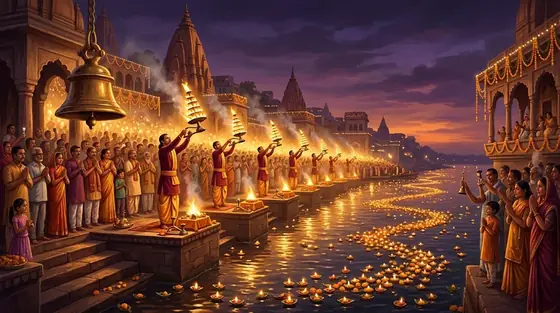
आरती श्री गंगा जी की
Ganga Aarti (Om Jai Gange Mata)
ॐ जय गंगे माता, गंगा मैया की प्रसिद्ध आरती, छपे पाठ से, हर पद के अर्थ सहितOm Jai Gange Mata, the best-known aarti of Mother Ganga, from a printed text, with the meaning of every stanza
 चालीसाChalisas
श्री शिव चालीसा
Shiv Chalisa
अयोध्यादास रचित शिव की चालीस चौपाइयाँ, अर्थ सहितAyodhyadas's forty verses to Shiva, with the meaning of every line
 आरतीAartis
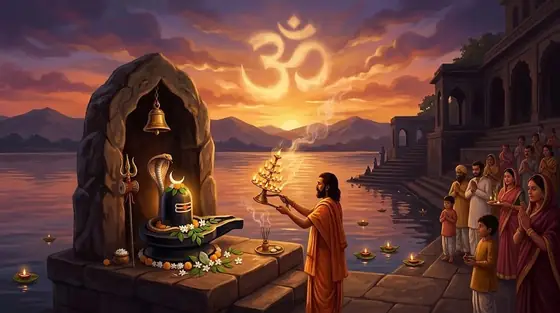
ॐ जय शिव ओंकारा
Om Jai Shiv Omkara
शिव जी की आरती, गीता प्रेस के श्रीआरती-संग्रह के पाठ से, अर्थ सहितThe Shiva aarti as printed in the Gita Press Aarti Sangrah, with the meaning of every stanza
 चालीसाChalisas
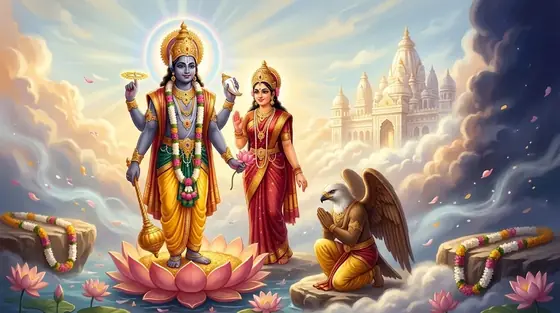
श्री विष्णु चालीसा
Vishnu Chalisa
जगत के पालनहार भगवान विष्णु की चालीसा, हर दोहे और चौपाई के अर्थ सहितThe Chalisa of Vishnu, preserver of the world, with the meaning of every doha and chaupai