श्री सूर्य चालीसा
Surya Chalisa
सूर्यदेव की चालीस चौपाइयाँ, बारह नामों और सूर्य-कवच सहित, अर्थ के साथForty verses to the Sun god, with his twelve names and protective armour, and the meaning of every line

PDF डाउनलोडDownload PDF
सूर्य चालीसा सूर्यदेव की स्तुति में रची गई चालीस चौपाइयों की हिन्दी रचना है, जिसके आरम्भ और अन्त में एक-एक दोहा है। इसका रचयिता ज्ञात नहीं है; यह उत्तर भारत में छपने वाली चालीसा-पोथियों की परम्परा का पाठ है, और इसका समापन दोहा स्वयं इसे 'भानु चालीसा' कहता है। इसमें सूर्य के अनेक नाम, उनका सात घोड़ों वाला रथ और सारथी अरुण, बारह नामों से नमस्कार का फल, शरीर के हर अंग की रक्षा करने वाला सूर्य-कवच, और बारह महीनों में सूर्य के अलग-अलग नाम आते हैं।
लोग इसे रविवार को, सूर्योदय के समय अर्घ्य देकर, मकर संक्रान्ति और छठ पर, और सूर्य की दशा या कुंडली में सूर्य के कमज़ोर होने पर पढ़ते हैं: आरोग्य, तेज, आत्मविश्वास और मान-सम्मान के लिए। इस पृष्ठ पर पूरा पाठ छपी पोथी से लिया गया है, हर चौपाई के नीचे उसका सीधा अर्थ है, और साइन-इन के बाद पूरा पाठ मुफ्त PDF में उतारा जा सकता है।
The Surya Chalisa is a Hindi hymn of forty chaupais to the Sun god, with one doha at the start and another at the close. Its author is not known; it belongs to the tradition of chalisa booklets printed across north India, and its closing doha calls it the 'Bhanu Chalisa'. It praises the Sun by his many names, describes his chariot of seven horses driven by Aruna, gives the fruit of saluting him by his twelve names, sets out an armour in which a form of the Sun guards each part of the body, and ends with the Sun's name in each of the twelve months.
People read it on Sundays, at sunrise after offering water to the Sun, on Makar Sankranti and Chhath, and when the Sun's dasha is running or the Sun is weak in the kundli, for health, vigour, confidence and standing. The full text on this page is taken from the printed booklet, every verse carries a plain meaning beneath it, and the whole text can be downloaded as a free PDF after signing in.
पाठThe text
दोहाDoha
कनक बदन कुण्डल मकर, मुक्ता माला अङ्ग। पद्मासन स्थित ध्याइये, शंख चक्र के सङ्ग॥
जिनका शरीर सोने जैसा है, कानों में मकर के आकार के कुण्डल हैं और अंगों पर मोतियों की माला है, उन सूर्यदेव का ध्यान कीजिए: पद्मासन में बैठे हुए, शंख और चक्र के साथ।Meditate on the Sun god with a body of gold, earrings shaped like the makara and a string of pearls upon his limbs, seated in the lotus posture, holding the conch and the discus.
चौपाईChaupai 1
जय सविता जय जयति दिवाकर। सहस्त्रांशु! सप्ताश्व तिमिरहर॥
हे सविता (सबको प्रेरणा और जीवन देने वाले), हे दिवाकर (दिन करने वाले), आपकी जय हो, जय हो। आप सहस्रांशु (हज़ार किरणों वाले), सप्ताश्व (सात घोड़ों वाले) और तिमिरहर (अँधेरा हरने वाले) हैं।Victory, victory to Savita, the giver of life, and to Divakar, the maker of day. You are Sahasranshu, the thousand-rayed, Saptashva, the lord of seven horses, and Timirahara, the remover of darkness.
चौपाईChaupai 2
भानु! पतंग! मरीची! भास्कर। सविता! हंस सुनूर विभाकर॥
आप भानु (प्रकाशमान), पतंग (आकाश में उड़ने वाले), मरीची (किरणों वाले) और भास्कर (प्रकाश करने वाले) हैं। आप सविता, हंस (आकाश में विचरने वाले), सुनूर (सुन्दर ज्योति वाले) और विभाकर (प्रभा फैलाने वाले) हैं।You are Bhanu, the shining one, Patanga, the sky-flier, Marichi, the rayed one, and Bhaskar, the light-maker. You are Savita, Hamsa, the swan that crosses the sky, Sunura, the fair light, and Vibhakar, the spreader of radiance.
चौपाईChaupai 3
विवस्वान! आदित्य! विकर्तन। मार्तण्ड हरिरूप विरोचन॥
आप विवस्वान (तेजस्वी), आदित्य (अदिति के पुत्र) और विकर्तन (जिनका तेज विश्वकर्मा ने तराशा) हैं। आप मार्तण्ड, हरि के ही रूप और विरोचन (चमकने वाले) हैं।You are Vivasvan, the brilliant, Aditya, son of Aditi, and Vikartana, whose blaze Vishvakarma pared down. You are Martanda, a form of Hari himself, and Virochana, the shining one.
चौपाईChaupai 4
अम्बरमणि! खग! रवि कहलाते। वेद हिरण्यगर्भ कह गाते॥
आप अम्बरमणि (आकाश के रत्न), खग (आकाश में चलने वाले) और रवि कहलाते हैं। वेद आपको हिरण्यगर्भ (सृष्टि का स्वर्णिम मूल) कहकर गाते हैं।You are called Ambaramani, the jewel of the sky, Khaga, the sky-goer, and Ravi. The Vedas sing of you as Hiranyagarbha, the golden source of creation.
चौपाईChaupai 5
सहस्त्रांशुप्रद्योतन, कहि कहि। मुनिगन होत प्रसन्न मोदलहि॥
'सहस्रांशु', 'प्रद्योतन' (प्रकाशित करने वाले), ऐसा बार-बार कहकर मुनिगण प्रसन्न होते हैं और आनन्द पाते हैं।Saying again and again 'Sahasranshu, Pradyotana', the thousand-rayed illuminator, the sages grow glad and find delight.
चौपाईChaupai 6
अरुण सदृश सारथी मनोहर। हाँकत हय साता चढ़ि रथ पर॥
अरुण जैसा मनोहर सारथी रथ पर चढ़कर आपके सातों घोड़ों को हाँकता है।A charioteer as lovely as Aruna mounts the chariot and drives your seven horses.
चौपाईChaupai 7
मंडल की महिमा अति न्यारी। तेज रूप केरी बलिहारी॥
आपके मण्डल (सूर्य-बिम्ब) की महिमा अत्यन्त अनोखी है। आपके तेजोमय रूप पर मैं न्योछावर हूँ।The glory of your shining disc is beyond compare. I give myself up to your radiant form.
चौपाईChaupai 8
उच्चैःश्रवा सदृश हय जोते। देखि पुरंदर लज्जित होते॥
आपके रथ में उच्चैःश्रवा जैसे घोड़े जुते हैं, जिन्हें देखकर पुरंदर (इन्द्र) भी लज्जित हो जाते हैं।Your chariot is yoked with horses like Uchchaihshravas, and Purandara, that is Indra, is put to shame on seeing them.
चौपाईChaupai 9
मित्र मरीचि भानु अरुण भास्कर। सविता सूर्य अर्क खग कलिकर॥
इन दो चौपाइयों में सूर्य के बारह नाम हैं (छपी पोथी इन्हें एक से बारह तक गिनती है): मित्र, मरीचि, भानु, भास्कर, सविता, सूर्य, अर्क और खग; अरुण और कलिकर इनके बीच विशेषण की तरह आते हैं।These two chaupais hold the twelve names of the Sun, which the printed booklet numbers one to twelve: Mitra, Marichi, Bhanu, Bhaskar, Savita, Surya, Arka and Khaga; Aruna and Kalikar stand among them as epithets.
चौपाईChaupai 10
पूषा रवि आदित्य नाम लै। हिरण्यगर्भाय नमः कहिकै॥
फिर पूषा, रवि और आदित्य के नाम लेकर, और अन्त में 'हिरण्यगर्भाय नमः' कहकर, सूर्य को नमस्कार किया जाता है।Then, taking the names Pusha, Ravi and Aditya, and closing with 'Hiranyagarbhaya namah', salutation to the golden source, the Sun is saluted.
चौपाईChaupai 11
द्वादस नाम प्रेम सों गावैं। मस्तक बारह बार नवावै॥
जो इन बारह नामों को प्रेम से गाते हैं और बारह बार मस्तक झुकाकर प्रणाम करते हैं,Those who sing these twelve names with love and bow their heads twelve times,
चौपाईChaupai 12
चार पदारथ सो जन पावै। दुःख दारिद्र अघ पुञ्ज नसावै॥
वे धर्म, अर्थ, काम और मोक्ष, चारों पदार्थ पाते हैं, और उनके दुःख, दरिद्रता और पापों के ढेर नष्ट हो जाते हैं।gain the four aims of life, dharma, wealth, desire and liberation, and their sorrow, poverty and heaps of sin are destroyed.
चौपाईChaupai 13
नमस्कार को चमत्कार यह। विधि हरिहर कौ कृपासार यह॥
यह इस नमस्कार का चमत्कार है; इसमें विधि (ब्रह्मा), हरि (विष्णु) और हर (शिव), तीनों की कृपा का सार है।Such is the wonder of this salutation; it holds the essence of the grace of Brahma, Vishnu and Shiva.
चौपाईChaupai 14
सेवै भानु तुमहिं मन लाई। अष्टसिद्धि नवनिधि तेहिं पाई॥
हे भानु, जो मन लगाकर आपकी सेवा करता है, उसे आठों सिद्धियाँ और नौ निधियाँ प्राप्त होती हैं।O Bhanu, whoever serves you with a mind set on you receives the eight siddhis and the nine treasures.
चौपाईChaupai 15
बारह नाम उच्चारन करते। सहस जनम के पातक टरते॥
बारह नामों का उच्चारण करने से हज़ार जन्मों के पाप टल जाते हैं।Speaking the twelve names wards off the sins of a thousand births.
चौपाईChaupai 16
उपाख्यान जो करते तवजन। रिपु सों जमलहते सोतेहि छन॥
आपके जो भक्त आपकी कथा कहते हैं, वे उसी क्षण शत्रुओं से छुटकारा पा जाते हैं। (दूसरे चरण का शब्द 'जमलहते' अस्पष्ट है; यहाँ उसका प्रचलित भाव दिया गया है।)Those of your devotees who tell your story are freed from their enemies that very moment. (The word 'jamalahate' in the second half is obscure; its usual sense is given here.)
चौपाईChaupai 17
छन सुत जुत परिवार बढतु है। प्रबलमोह को फँद कटतु है॥
क्षण भर में पुत्रों सहित उनका परिवार बढ़ता है, और प्रबल मोह का फंदा कट जाता है।In a moment their family grows, with sons, and the noose of strong delusion is cut.
चौपाईChaupai 18
अर्क शीश को रक्षा करते। रवि ललाट पर नित्य बिहरते॥
यहाँ से सूर्य-कवच आरम्भ होता है: अर्क सिर की रक्षा करते हैं, और रवि सदा ललाट पर विराजते हैं।Here the Sun's armour begins: Arka guards the head, and Ravi ever dwells upon the forehead.
चौपाईChaupai 19
सूर्य नेत्र पर नित्य विराजत। कर्ण देस पर दिनकर छाजत॥
सूर्य सदा नेत्रों पर विराजते हैं, और कानों के स्थान पर दिनकर शोभा देते हैं।Surya always sits upon the eyes, and Dinakar, the maker of day, shines upon the ears.
चौपाईChaupai 20
भानु नासिका वांस करहु नित। भास्कर करत सदा मुख कौ हित॥
हे भानु, आप सदा नासिका में निवास कीजिए; भास्कर सदा मुख का हित करते हैं।O Bhanu, dwell ever in the nose; Bhaskar always does good to the mouth.
चौपाईChaupai 21
ओंठ रहैं पर्जन्य हमारे। रसना बीच तीक्ष्ण बस प्यारे॥
पर्जन्य (वर्षा देने वाले सूर्य) हमारे होंठों पर रहें, और प्रिय तीक्ष्ण (तीखे तेज वाले) जीभ में बसें।May Parjanya, the rain-giving Sun, stay upon our lips, and the beloved Tikshna, the keen-rayed, dwell on the tongue.
चौपाईChaupai 22
कंठ सुवर्ण रेत की शोभा। तिग्मतेजसः कांधे लोभा॥
कंठ पर सुवर्णरेता (स्वर्णिम तेज वाले) सूर्य की शोभा है, और कंधों पर तिग्मतेजा (प्रखर तेज वाले) सुहाते हैं।On the throat is the splendour of Suvarnareta, the golden-seeded Sun, and on the shoulders Tigmateja, of fierce radiance, is fair to see.
चौपाईChaupai 23
पूषां बाहू मित्र पीठहिं पर। त्वष्टा-वरुण रहम सुउष्णकर॥
पूषा भुजाओं पर और मित्र पीठ पर रहें; त्वष्टा और वरुण, उष्ण किरणों वाले सूर्य के रूप, (अन्य अंगों पर) रहें।Pusha on the arms and Mitra on the back; Tvashta and Varuna, forms of the warm-rayed Sun, keep watch as well.
चौपाईChaupai 24
युगल हाथ पर रक्षा कारन। भानुमान उरसर्म सुउदरचन॥
दोनों हाथों की रक्षा के लिए, तथा हृदय और उदर की रक्षा के लिए भानुमान (किरणों वाले सूर्य) रहें।For the protection of both hands, and of the chest and the belly, may Bhanuman, the radiant one, stand guard.
चौपाईChaupai 25
बसत नाभि आदित्य मनोहर। कटि मंह हँस, रहत मन मुदभर॥
मनोहर आदित्य नाभि में बसते हैं, और कमर में हंस; इससे मन आनन्द से भरा रहता है।Lovely Aditya dwells in the navel, and Hamsa at the waist, so the mind stays full of joy.
चौपाईChaupai 26
जंघा गोपति, सविता बासा। गुप्त दिवाकर करत हुलासा॥
जाँघों पर गोपति (किरणों के स्वामी) और सविता का वास है, और गुप्त अंगों की रक्षा दिवाकर प्रसन्नता से करते हैं।Gopati, lord of the rays, and Savita dwell on the thighs, and Divakar gladly guards the private parts.
चौपाईChaupai 27
विवस्वान पद की रखवारी। बाहर बसते नित तम हारी॥
विवस्वान पैरों की रखवाली करते हैं, और बाहर चारों ओर अँधेरा हरने वाले सूर्य सदा बसते हैं।Vivasvan guards the feet, and all around, outside, the remover of darkness always stays.
चौपाईChaupai 28
सहस्त्रांशु सर्वांग सम्हारै। रक्षा कवच विचित्र विचारे॥
सहस्रांशु पूरे शरीर को सँभालते हैं। इसे अद्भुत रक्षा-कवच समझिए।Sahasranshu, the thousand-rayed, holds the whole body safe. Know this as a wondrous armour of protection.
चौपाईChaupai 29
अस जोजन अपने मन माहीं। भय जग बीज करहुँ तेहि नाहीं॥
जो कोई इस कवच को अपने मन में धारण करता है, उसके भीतर संसार का भय कभी बीज भी नहीं डालता।Whoever holds this armour in their mind, in them the fears of the world never even take seed.
चौपाईChaupai 30
दरिद्र कुष्ट तेहिं कबहुँ न व्यापै। जोजन याको मनमहं जापै॥
जो कोई मन में इसका जप करता है, उसे दरिद्रता और कुष्ठ जैसे रोग कभी नहीं घेरते।Poverty and diseases like leprosy never take hold of the one who repeats this in their mind.
चौपाईChaupai 31
अंधकार जग का जो हरता। नव प्रकाश से आनन्द भरता॥
जो संसार का अंधकार हरते हैं और नए प्रकाश से उसमें आनन्द भर देते हैं,He who takes away the darkness of the world and fills it with joy through new light,
चौपाईChaupai 32
ग्रह गन ग्रसि न मिटावत जाही। कोटि बार मैं प्रनवौं ताही॥
जिन्हें ग्रहों का समूह ग्रसकर भी मिटा नहीं पाता, उन सूर्यदेव को मैं करोड़ों बार प्रणाम करता हूँ।he whom the host of planets may seize but can never blot out: to him I bow ten million times.
चौपाईChaupai 33
मन्द सदृश सुतजग में जाके। धर्मराज सम अद्भुत बाँके॥
संसार में जिनके पुत्र मन्द (शनि) जैसे और धर्मराज (यम) जैसे अद्भुत और पराक्रमी हैं।His sons in the world are Manda, that is Shani, and Dharmaraja, that is Yama, both wondrous and mighty.
चौपाईChaupai 34
धन्य-धन्य तुम दिनमनि देवा। किया करत सुरमुनि नर सेवा॥
हे दिनमणि (दिन के रत्न) देव, आप धन्य हैं, धन्य हैं। देवता, मुनि और मनुष्य सब आपकी सेवा करते हैं।Blessed, blessed are you, O Dinamani, jewel of the day. Gods, sages and men all serve you.
चौपाईChaupai 35
भक्ति भावयुत पूर्ण नियमसों। दूर हटतसो भवके भ्रमसों॥
जो भक्ति और भाव के साथ, पूरे नियम से आपकी उपासना करता है, वह संसार के भ्रमों से दूर हो जाता है।Whoever worships you with devotion and feeling, keeping the rules in full, is drawn away from the illusions of worldly life.
चौपाईChaupai 36
परम धन्य सो नर तनधारी। हैं प्रसन्न जेहि पर तम हारी॥
वह देहधारी मनुष्य परम धन्य है, जिस पर अंधकार हरने वाले सूर्यदेव प्रसन्न हैं।Most blessed is the embodied soul with whom the remover of darkness is pleased.
चौपाईChaupai 37
अरुण माघ महं सूर्य फाल्गुन। मध वेदांगनाम रवि उदयन॥
यहाँ से बारह महीनों में सूर्य के नाम आते हैं: माघ में अरुण, फाल्गुन में सूर्य, और मधु (चैत्र) मास में रवि वेदांग नाम से उदय होते हैं।Now the Sun's names through the twelve months: Aruna in Magha, Surya in Phalguna, and in Madhu, the month of Chaitra, Ravi rises under the name Vedanga.
चौपाईChaupai 38
भानु उदय वैसाख गिनावै। ज्येष्ठ इन्द्र आषाढ़ रवि गावै॥
वैशाख में भानु के नाम से उदय गिना जाता है; ज्येष्ठ में इन्द्र और आषाढ़ में रवि नाम गाया जाता है।In Vaishakha his rising is counted as Bhanu; in Jyeshtha he is sung as Indra, and in Ashadha as Ravi.
चौपाईChaupai 39
यम भादों आश्विन हिमरेता। कातिक होत दिवाकर नेता॥
भादों में यम, आश्विन में हिमरेता, और कार्तिक में वे दिवाकर होकर अगुआ बनते हैं।In Bhadon he is Yama, in Ashvin Himareta, and in Kartik he leads as Divakar.
चौपाईChaupai 40
अगहन भिन्न विष्णु हैं पूसहिं। पुरुष नाम रवि हैं मलमासहिं॥
अगहन (मार्गशीर्ष) में उनका नाम भिन्न है, पौष में वे विष्णु हैं, और मलमास (अधिक मास) में रवि का नाम पुरुष है।In Agahan, the month of Margashirsha, he bears the name Bhinna, in Pausha he is Vishnu, and in the extra month, Malamasa, the Sun's name is Purusha.
दोहाDoha
भानु चालीसा प्रेम युत, गावहि जे नर नित्य। सुख सम्पत्ति लहै विविध, होंहि सदा कृतकृत्य॥
जो लोग इस भानु चालीसा को प्रेम से नित्य गाते हैं, वे अनेक प्रकार का सुख और सम्पत्ति पाते हैं और सदा कृतकृत्य (सफल और सन्तुष्ट) रहते हैं।Those who sing this Bhanu Chalisa with love every day gain happiness and wealth of many kinds and are ever fulfilled.
पाठ विधिHow to read it
सूर्य चालीसा का सबसे उपयुक्त समय सूर्योदय है। स्नान करके स्वच्छ वस्त्र पहनें, ताँबे के लोटे में जल लें, उसमें लाल चन्दन या रोली, लाल फूल और अक्षत डालें, और पूर्व की ओर मुख करके उगते सूर्य को अर्घ्य दें। फिर वहीं खड़े होकर या आसन पर बैठकर पहले दोहे से पाठ आरम्भ करें।
पाठ शान्त मन से, स्पष्ट उच्चारण के साथ करें। नौवीं से पन्द्रहवीं चौपाई में बारह नामों से नमस्कार की बात है; चाहें तो वहाँ हर नाम पर सिर झुकाकर प्रणाम करें। अठारहवीं से अट्ठाईसवीं चौपाई सूर्य-कवच है, जिसे पढ़ते समय उस अंग का ध्यान करें जिसकी रक्षा का उल्लेख है।
पाठ के अन्त में समापन दोहा पढ़कर सूर्यदेव को प्रणाम करें। रविवार को गुड़ या गेहूँ का दान और नमक रहित भोजन की परम्परा भी है, पर पाठ के लिए यह अनिवार्य नहीं है।
The best time for the Surya Chalisa is sunrise. Bathe, put on clean clothes, take water in a copper vessel with red sandalwood or roli, a red flower and a few grains of rice, and face east to offer it to the rising Sun. Then, standing there or seated on a mat, begin with the opening doha.
Read with a calm mind and clear pronunciation. Chaupais nine to fifteen speak of saluting the Sun by his twelve names; you may bow at each name there. Chaupais eighteen to twenty-eight are the Sun's armour; as you read them, hold in mind the part of the body each one names.
Close with the final doha and bow to the Sun god. There is also a custom on Sundays of giving jaggery or wheat in charity and eating food without salt, but neither is required for the reading.
महत्व और फलMeaning and fruit
सूर्य प्रत्यक्ष देवता हैं: वे रोज़ दिखते हैं, और उन्हीं से दिन, ऋतुएँ और जीवन चलता है। यह चालीसा उन्हें सविता, दिवाकर, भास्कर, मार्तण्ड, हिरण्यगर्भ जैसे अनेक नामों से पुकारती है, और बारह नामों से नमस्कार को 'चमत्कार' कहती है, जिसमें ब्रह्मा, विष्णु और शिव तीनों की कृपा का सार है।
चालीसा स्वयं अपना फल कहती है: बारह नामों से नमस्कार करने वाले को चारों पुरुषार्थ मिलते हैं और दुःख, दरिद्रता और पाप नष्ट होते हैं; सूर्य-कवच को मन में धारण करने वाले को भय और रोग नहीं घेरते; और नित्य प्रेम से पाठ करने वाला कृतकृत्य होता है। परम्परा में इसे आरोग्य, नेत्र-ज्योति, आत्मविश्वास और मान-सम्मान का पाठ माना गया है।
चालीसा के अन्त में बारह महीनों में सूर्य के अलग-अलग नाम दिए गए हैं, और एक चौपाई याद दिलाती है कि शनि और यम दोनों सूर्य के पुत्र हैं। इसीलिए शनि की पीड़ा में भी सूर्य की उपासना साथ में करने की बात कही जाती है।
The Sun is the god who can be seen: he appears every day, and day, the seasons and life itself run by him. The Chalisa calls him by many names, Savita, Divakar, Bhaskar, Martanda, Hiranyagarbha, and calls the salutation by his twelve names a wonder that holds the essence of the grace of Brahma, Vishnu and Shiva.
The Chalisa states its own fruit: whoever salutes the Sun by the twelve names gains the four aims of life and is rid of sorrow, poverty and sin; whoever keeps the Sun's armour in mind is not overtaken by fear or disease; and whoever reads it daily with love is fulfilled. Tradition treats it as a text for health, eyesight, confidence and standing.
Near the end it gives the Sun's name in each of the twelve months, and one chaupai recalls that Shani and Yama are both sons of the Sun. That is why worship of the Sun is often advised alongside remedies for Saturn.
कब पढ़ेंWhen to read
रविवार को सूर्योदय के समय, सूर्य को अर्घ्य देने के बाद; मकर संक्रान्ति, रथ सप्तमी और छठ पर्व पर विशेष रूप से। सूर्य की महादशा या अन्तर्दशा में, या कुंडली में सूर्य के कमज़ोर होने पर, नित्य प्रातः पाठ करें।On Sundays at sunrise, after offering water to the Sun, and above all on Makar Sankranti, Ratha Saptami and Chhath. During a Sun mahadasha or antardasha, or when the Sun is weak in the kundli, read it every morning.
कुंडली मेंIn your kundli
ज्योतिष में सूर्य आत्मा, पिता, स्वास्थ्य, नेत्र, हृदय, प्रतिष्ठा और राज्य-कृपा के कारक हैं। सूर्य की महादशा या अन्तर्दशा में, कुंडली में सूर्य के तुला राशि में नीच होने पर, छठे, आठवें या बारहवें भाव में होने पर, शनि या राहु से युति या दृष्टि होने पर (जिसे ग्रहण दोष भी कहते हैं), और लग्न, पंचम, नवम या दशम भाव के स्वामी के रूप में सूर्य के कमज़ोर होने पर सूर्य चालीसा का नियमित पाठ बताया जाता है। अपनी कुंडली में सूर्य की स्थिति और चल रही दशा इसी साइट पर अपनी कुंडली बनाकर देखी जा सकती है।In Jyotish the Sun signifies the self, the father, health, the eyes, the heart, reputation and favour from those in power. The Surya Chalisa is prescribed in a Sun mahadasha or antardasha, when the Sun is debilitated in Libra, when it sits in the sixth, eighth or twelfth house, when Saturn or Rahu joins or aspects it (sometimes called grahan dosha), and when the Sun is weak as lord of the lagna or of the fifth, ninth or tenth house. You can build your kundli on this site to see where the Sun stands and which dasha is running.
ग्रह: Grahas: सूर्यSun
अपनी कुंडली में देखेंCheck it in your kundliप्रश्नोत्तरQuestions people ask
- सूर्य चालीसा कब पढ़नी चाहिए?When should the Surya Chalisa be read?
- किसी भी दिन पढ़ी जा सकती है, पर रविवार सूर्यदेव का दिन है और सूर्योदय का समय सबसे उपयुक्त माना जाता है। मकर संक्रान्ति, रथ सप्तमी और छठ इसके विशेष अवसर हैं।Any day, but Sunday is the Sun god's day and sunrise is held to be the most fitting time. Makar Sankranti, Ratha Saptami and Chhath are its special occasions.
- सूर्य चालीसा कितनी बार पढ़ें?How many times should it be read?
- नित्य एक बार पर्याप्त है। विशेष संकल्प में सात, ग्यारह या इक्कीस बार, या लगातार कई रविवार पाठ की परम्परा है। संख्या से अधिक नियम और भाव का महत्व है।Once a day is enough. For a special resolve the custom is seven, eleven or twenty-one readings, or a reading on a run of Sundays. Regularity and feeling matter more than the count.
- सूर्य चालीसा पढ़ने के क्या फायदे हैं?What are the benefits of reading the Surya Chalisa?
- चालीसा स्वयं कहती है कि बारह नामों से नमस्कार करने वाले के दुःख, दरिद्रता और पाप नष्ट होते हैं और सूर्य-कवच धारण करने वाले को भय और रोग नहीं घेरते। परम्परा में इसे आरोग्य, नेत्र-ज्योति, आत्मविश्वास और मान-सम्मान का पाठ माना गया है, और ज्योतिष में यह कमज़ोर या पीड़ित सूर्य का उपाय है।The Chalisa itself says that saluting the Sun by his twelve names destroys sorrow, poverty and sin, and that whoever keeps the Sun's armour in mind is not overtaken by fear or disease. Tradition treats it as a text for health, eyesight, confidence and standing, and in Jyotish it is a remedy for a weak or afflicted Sun.
- सूर्य चालीसा के पाठ के क्या नियम हैं?Are there rules for reading the Surya Chalisa?
- स्नान करके, स्वच्छ वस्त्र में, पूर्व की ओर मुख करके पाठ करें; हो सके तो पहले ताँबे के लोटे से सूर्य को अर्घ्य दें। रविवार को कई लोग नमक रहित भोजन करते हैं। पाठ घर में किया जा सकता है; इसके लिए किसी दीक्षा की आवश्यकता नहीं है।Read after bathing, in clean clothes, facing east, and if you can, first offer water to the Sun from a copper vessel. Many people eat without salt on Sundays. It can be read at home, and no initiation is needed.
साथ में पढ़ेंRead alongside
 व्रत कथाVrat Kathas
रविवार व्रत कथा
Ravivar Vrat Katha
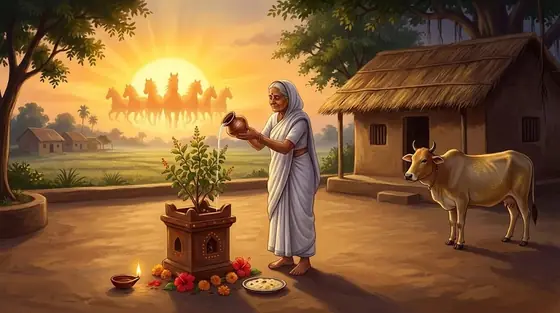
सूर्य देव का रविवार व्रत — गोबर से आँगन लीपने वाली बुढ़िया और सोने का गोबर देने वाली गाय की कथा, व्रत विधि और उद्यापनThe Sunday fast for Surya Dev: the old woman who plastered her courtyard with cow dung and the cow that gave golden dung, how to keep the fast, and the udyapan
 आरतीAartis
सूर्य देव की आरती (जय कश्यप-नन्दन)
Surya Dev Aarti (Jai Kashyap Nandan)
भगवान् सूर्य की आरती, गीता प्रेस के पाठ से, हर पद के अर्थ सहितThe aarti of Lord Surya in the Gita Press reading, with the meaning of every stanza
 पूजा विधिPuja Vidhis
छठ पूजा विधि
Chhath Puja Vidhi
कार्तिक शुक्ल चतुर्थी से सप्तमी तक सूर्य देव और छठी मैया का चार दिन का व्रत — नहाय-खाय, खरना, संध्या अर्घ्य और उषा अर्घ्य, सामग्री, कोसी, नियम और कथाएँThe four-day vrat of the Sun and Chhathi Maiya, Kartik Shukla Chaturthi to Saptami: Nahay-Khay, Kharna, the evening and dawn arghya, the samagri, the kosi, the rules and the stories
 चालीसाChalisas
श्री शनि चालीसा
Shani Chalisa
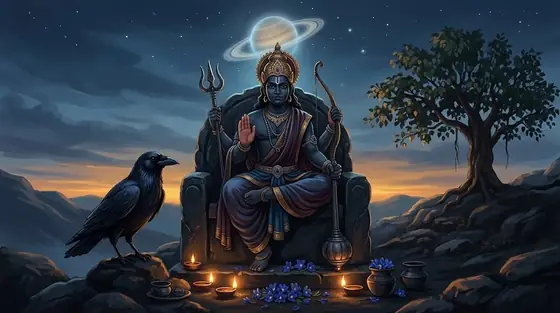
शनिदेव की चालीस चौपाइयाँ, हर दोहे और चौपाई के अर्थ सहितForty verses to Shani Dev, with the meaning of every doha and chaupai