हनुमान बाहुक
Hanuman Bahuk
गोस्वामी तुलसीदास रचित चौवालीस छन्द, हर छन्द के अर्थ सहितTulsidas's forty-four verses to Hanuman, with the meaning of every verse
PDF डाउनलोडDownload PDF
हनुमान बाहुक गोस्वामी तुलसीदास की ब्रज-अवधी रचना है, जिसमें छप्पय, झूलना, घनाक्षरी और सवैया छन्दों में चौवालीस पद हैं। परम्परा के अनुसार तुलसीदास जी ने इसे अपने जीवन के अन्तिम वर्षों में तब रचा जब उनकी बाँहों (बाहु) में असह्य पीड़ा उठी और सारा शरीर फोड़ों और वात रोग से दुखने लगा; औषधि, यन्त्र-मन्त्र और टोटके सब व्यर्थ हुए, तब उन्होंने हनुमान जी से इस पीड़ा को हरने की प्रार्थना की। 'बाहुक' नाम इसी बाहु-पीड़ा से पड़ा। पहले पन्द्रह पदों में हनुमान जी के रूप, बल और लीलाओं की स्तुति है, और सोलहवें पद से कवि अपनी पीड़ा कहता है, उलाहना देता है, शपथ दिलाता है और अन्त में सब कुछ राम की इच्छा पर छोड़ देता है।
इसीलिए हनुमान बाहुक रोग, शरीर की पीड़ा, विशेषकर जोड़ों, बाँहों और वात की तकलीफ़ में पढ़ा जाता है, और भूत-बाधा या किसी के किए-कराए के भय में भी। यहाँ दिया गया पाठ गीता प्रेस, गोरखपुर की 'हनुमानबाहुक सटीक' पुस्तिका से लिया गया है, हर पद के नीचे उसका सीधा अर्थ है, और साइन-इन करके पूरा पाठ PDF में उतारा जा सकता है।
The Hanuman Bahuk is Goswami Tulsidas's hymn to Hanuman in Braj-Awadhi: forty-four verses in the chhappay, jhoolna, ghanakshari and savaiya metres. Tradition says Tulsidas composed it late in life, in illness, when a fierce pain seized his arms (bahu) and his whole body ached with boils and a wind disorder; medicines, charms and spells all failed, and he prayed to Hanuman to take the pain away. The name Bahuk comes from that pain in the arm. The first fifteen verses praise Hanuman's form, strength and deeds; from the sixteenth on, the poet tells of his suffering, reproaches Hanuman, calls on his oath, and at the end leaves everything to Rama's will.
That is why the Hanuman Bahuk is read in illness and bodily pain, especially pain of the joints, the arms and wind disorders, and also in fear of spirits or of harm done through spells. The text below follows the Gita Press, Gorakhpur booklet 'Hanuman Bahuk satik', with a plain meaning under every verse, and the whole text can be downloaded as a PDF after signing in.
पाठThe text
पदVerse 1
सिंधु-तरन, सिय-सोच-हरन, रबि-बालबरन-तनु। भुज बिसाल, मूरति कराल कालहुको काल जनु॥ गहन-दहन-निरदहन-लंक निःसंक, बंक-भुव। जातुधान-बलवान-मान-मद-दवन पवनसुव॥ कह तुलसिदास सेवत सुलभ, सेवक हित संतत निकट। गुनगनत, नमत, सुमिरत, जपत, समन सकल-संकट-बिकट॥
जिन्होंने समुद्र लाँघा, सीता का शोक हरा, जिनका शरीर उगते सूर्य के रंग का है, भुजाएँ विशाल हैं और रूप ऐसा विकराल है मानो काल के भी काल हों; जिन्होंने निडर होकर लंका रूपी घने वन को जला डाला, जिनकी भौंहें टेढ़ी हैं और जो बलवान राक्षसों का मान और मद चूर करते हैं, वे पवनपुत्र हैं। तुलसीदास कहते हैं कि वे सेवा से सहज ही मिल जाते हैं, सेवक के हित के लिए सदा पास रहते हैं, और उनके गुण गाने, प्रणाम करने, स्मरण और जप करने से सब विकट संकट मिट जाते हैं।He who leapt the ocean and took away Sita's grief, whose body has the colour of the rising sun, whose arms are long and whose form is so fearsome he seems death to death itself; who fearlessly burned Lanka, a dense forest no fire could take, whose brows are curved, and who crushed the pride of the mighty demons: he is the son of the Wind. Tulsidas says he is easily won by service and always near to help his servants, and singing his virtues, bowing to him, remembering him and repeating his name ends every dreadful trouble.
पदVerse 2
स्वर्न-सैल-संकास कोटि-रबि-तरुन-तेज-घन। उर बिसाल, भुजदंड चंड नख बज्र बज्रतन॥ पिंग नयन, भृकुटी कराल रसना दसनानन। कपिस केस, करकस लँगूर, खल-दल बल भानन॥ कह तुलसिदास बस जासु उर मारुतसुत मूरति बिकट। संताप पाप तेहि पुरुष पहिं सपनेहुँ नहिं आवत निकट॥
वे सोने के पर्वत (सुमेरु) के समान हैं, उनका तेज करोड़ों दोपहर के प्रखर सूर्यों जैसा घना है; छाती चौड़ी है, भुजदंड प्रचंड हैं, नख वज्र जैसे और शरीर वज्र का है। आँखें पीली हैं; भौंहें, जीभ, दाँत और मुख विकराल हैं; बाल भूरे हैं और उनकी कठोर पूँछ दुष्टों के दल का बल तोड़ देती है। तुलसीदास कहते हैं कि जिसके हृदय में पवनपुत्र की यह विकट मूर्ति बसती है, उसके पास दुःख और पाप सपने में भी नहीं आते।Like a mountain of gold (Meru), with the dense radiance of ten million blazing midday suns; broad of chest, mighty of arm, with nails like thunderbolts and a body of thunderbolt. His eyes are tawny; his brows, tongue, teeth and mouth are terrible; his hair is reddish-brown, and his hard tail breaks the strength of the hosts of the wicked. Tulsidas says that sorrow and sin never come near, even in a dream, to the one whose heart holds this fearsome form of the Wind's son.
पदVerse 3
पंचमुख-छमुख-भृगुमुख्य भट-असुर-सुर, सर्व-सरि-समर समरत्थ सूरो। बाँकुरो बीर बिरुदैत्त बिरुदावली, बेद बंदी बदत पैजपूरो॥ जासु गुनगाथ रघुनाथ कह, जासु बल, बिपुल-जल-भरित जग-जलधि झूरो। दुवन-दल-दमनको कौन तुलसीस है पवनको पूत रजपूत रूरो॥
शिव (पंचमुख), कार्तिकेय (षण्मुख), परशुराम (भृगुवंश में श्रेष्ठ), असुर और देवता, इन सब योद्धाओं के बीच हर युद्ध में वे समर्थ शूरवीर हैं; वे बाँके वीर हैं, जिनकी कीर्ति वेद बंदीजनों की तरह गाते हैं कि वे अपना प्रण पूरा करने वाले हैं। जिनके गुणों की कथा स्वयं श्री राम ने कही और जिनके बल के आगे अथाह जल से भरा संसार-सागर सूखा लगता है, ऐसे शत्रु-दल का दमन करने वाला, तुलसी के स्वामी पवन के सुन्दर वीर पुत्र के सिवा और कौन है?Among warriors, Shiva the five-faced, Kartikeya the six-faced, Parashurama the chief of the Bhrigus, demons and gods alike, he is the hero equal to every battle; he is the bold champion whose titles the Vedas proclaim like bards: the one who keeps his vow. Whose virtues Rama himself recounted, before whose strength the world's vast brimming ocean looks dry: who but Tulsi's lord, the Wind's splendid warrior son, could crush the enemy hosts?
पदVerse 4
भानुसों पढ़न हनुमान गये भानु मन- अनुमानि सिसुकेलि कियो फेरफार सो। पाछिले पगनि गम गगन मगन-मन, क्रमको न भ्रम, कपि बालक-बिहार सो॥ कौतुक बिलोकि लोकपाल हरि हर बिधि लोचननि चकाचौंधी चित्तनि खभार सो। बल कैधौं बीररस, धीरज कै, साहस कै, तुलसी सरीर धरे सबनिको सार सो॥
हनुमान जी सूर्य से पढ़ने गए। सूर्य ने मन में इसे बालक का खेल समझकर टालमटोल की (कि मैं रुक नहीं सकता), तो हनुमान जी सूर्य की ओर मुख किए पीछे की ओर पैर रखते हुए प्रसन्न मन से आकाश में चलते रहे, पाठ के क्रम में कोई भूल नहीं हुई, जैसे बालक खेल रहा हो। यह कौतुक देखकर लोकपालों, विष्णु, शिव और ब्रह्मा की आँखें चौंधिया गईं और मन विचलित हो गए कि यह बल है, वीर-रस है, धैर्य है या साहस; तुलसी कहते हैं, मानो इन सबका सार ही शरीर धरकर आया हो।Hanuman went to the Sun to study, and the Sun, taking it for a child's game, made an excuse (that he could not stand still). So Hanuman walked backwards across the sky facing the Sun, glad at heart, never losing the thread of the lesson, as if at play. Seeing this marvel, the guardians of the worlds, Vishnu, Shiva and Brahma, were dazzled and shaken, wondering whether this was strength, heroism, patience or courage; it seemed, says Tulsi, that the essence of them all had taken a body.
पदVerse 5
भारतमें पारथके रथकेतु कपिराज, गाज्यो सुनि कुरुराज दल हलबल भो। कह्यो द्रोन भीषम समीरसुत महाबीर, बीर-रस-बारि-निधि जाको बल जल भो॥ बानर सुभाय बालकेलि भूमि भानु लागि, फलँग फलाँगहूँतें घाटि नभतल भो। नाइ-नाइ माथ जोरि-जोरि हाथ जोधा जोहैं, हनुमान देखे जगजीवन को फल भो॥
महाभारत के युद्ध में अर्जुन के रथ की ध्वजा पर बैठे कपिराज ने गर्जना की, जिसे सुनकर दुर्योधन की सेना में खलबली मच गई। द्रोण और भीष्म ने कहा कि ये पवनपुत्र महावीर हैं, जिनका बल वीर-रस के सागर का जल है; बचपन में वानर-स्वभाव से खेल-खेल में धरती से सूर्य तक की छलाँग में आकाश उनके एक डग से भी छोटा पड़ गया था। योद्धा बार-बार सिर झुकाकर और हाथ जोड़कर उन्हें देखते हैं; हनुमान के दर्शन से उन्हें संसार में जीने का फल मिल गया।In the Mahabharata war the monkey-king roared from the banner of Arjuna's chariot, and Duryodhana's army fell into confusion. Drona and Bhishma said: this is the Wind's son, the great hero, whose strength is the water of the ocean of valour; as a child at play he leapt from the earth to the Sun and the whole sky was less than one of his strides. The warriors bow their heads again and again and gaze at him with folded hands; seeing Hanuman, they had the fruit of being alive.
पदVerse 6
गोपद पयोधि करि होलिका ज्यों लाई लंक, निपट निसंक परपुर गलबल भो। द्रोन-सो पहार लियो ख्याल ही उखारि कर, कंदुक-ज्यों कपिखेल बेल कैसो फल भो॥ संकटसमाज असमंजस भो रामराज काज जुग-पूगनिको करतल पल भो। साहसी समत्थ तुलसीको नाह जाकी बाँह, लोकपाल पालनको फिर थिर थल भो॥
उन्होंने समुद्र को गाय के खुर के गड्ढे जैसा बना दिया और निडर होकर लंका को होली की तरह जला दिया, जिससे शत्रु के नगर में खलबली मच गई। द्रोण जैसा पर्वत खेल-खेल में हाथ से उखाड़ लिया, जो कपि के लिए गेंद या बेल के फल जैसा था। जब राम के काज पर संकट और असमंजस आया (लक्ष्मण के मूर्च्छित होने पर), तब युगों का काम पल भर में उनकी हथेली पर हो गया; तुलसी के वे साहसी और समर्थ स्वामी हैं, जिनकी भुजा के सहारे लोकपालों को फिर से स्थिर ठौर मिला।He made the ocean a cow's hoof-print and fearlessly set Lanka ablaze like a Holi bonfire, throwing the enemy's city into turmoil. A mountain like Drona he plucked up in sport, for the monkey no more than a ball or a bel fruit. When Rama's cause was in crisis and doubt (with Lakshmana struck down), the work of ages was done in a moment on his palm; he is Tulsi's brave and able lord, by whose arm the guardians of the worlds found firm ground again.
पदVerse 7
कमठकी पीठि जाके गोड़निकी गाड़ैं मानो नापके भाजन भरि जलनिधि-जल भो। जातुधान-दावन परावनको दुर्ग भयो, महामीनबास तिमि तोमनिको थल भो॥ कुंभकर्न-रावन-पयोदनाद-ईंधनको तुलसी प्रताप जाको प्रबल अनल भो। भीषम कहत मेरे अनुमान हनुमान- सारिखो त्रिकाल न त्रिलोक महाबल भो॥
(छलाँग लेते समय) उनके पैरों के दबाव से पृथ्वी को धारण करने वाले कच्छप की पीठ पर जो गड्ढे पड़े, वे मानो समुद्र का जल नापने के बर्तन बन गए; वही गड्ढे भागते हुए राक्षसों के लिए किला और बड़ी मछलियों तथा तिमि जैसे जलचरों के झुंडों का ठिकाना बन गए। तुलसी कहते हैं कि कुंभकर्ण, रावण और मेघनाद रूपी ईंधन के लिए उनका प्रताप प्रचंड अग्नि बना। भीष्म कहते हैं कि मेरे अनुमान से हनुमान जैसा महाबली तीनों कालों और तीनों लोकों में कोई नहीं हुआ।The hollows his feet pressed into the back of the tortoise that bears the earth (as he leapt) became measuring bowls brimming with the ocean's water; they became a fortress for the routed demons and a home for great fish and shoals of whales. Tulsi says his might became a blazing fire for the fuel of Kumbhakarna, Ravana and Meghanada. Bhishma says: as far as I can judge, no one as mighty as Hanuman has existed in the three times or the three worlds.
पदVerse 8
दूत रामरायको, सपूत पूत पौनको, तू अंजनीको नंदन प्रताप भूरि भानु सो। सीय-सोच-समन, दुरित-दोष-दमन, सरन आये अवन, लखनप्रिय प्रान सो॥ दसमुख दुसह दरिद्र दरिबेको भयो, प्रकट तिलोक ओक तुलसी निधान सो। ज्ञान-गुनवान बलवान सेवा सावधान, साहेब सुजान उर आनु हनुमान सो॥
तुम राजा राम के दूत, पवन के सुपुत्र और अंजनी के नन्दन हो, जिनका प्रताप सूर्य जैसा प्रचुर है; तुम सीता का शोक मिटाने वाले, पाप और दोष का दमन करने वाले, शरण आए की रक्षा करने वाले और लक्ष्मण को प्राणों जैसे प्रिय हो। तुलसी की असह्य दरिद्रता दशमुख रावण जैसी है, उसे मिटाने के लिए तुम तीनों लोकों के आश्रय और तुलसी की निधि बनकर प्रकट हुए हो। हे मन, ऐसे ज्ञानी, गुणवान, बलवान, सेवा में सावधान और सुजान स्वामी हनुमान को हृदय में बसाओ।You are King Rama's messenger, the Wind's worthy son and Anjani's child, with glory abundant as the Sun's; you end Sita's grief, subdue sin and fault, protect those who come for refuge, and are dear as life to Lakshmana. Tulsi's unbearable poverty is a ten-headed Ravana, and you have appeared to crush it, a home for the three worlds and Tulsi's treasure. O mind, set in your heart a master like Hanuman: wise, virtuous, strong, careful in service and all-knowing.
पदVerse 9
दवन-दुवन-दल भुवन-बिदित बल, बेद जस गावत बिबुध बंदीछोर को। पाप-ताप-तिमिर तुहिन-विघटन-पटु, सेवक-सरोरुह सुखद भानु भोरको॥ लोक-परलोकतें बिसोक सपने न सोक, तुलसीके हिये है भरोसो एक ओरको। रामको दुलारो दास बामदेवको निवास, नाम कलि-कामतरु केसरी-किसोरको॥
शत्रु-दल का नाश करने वाले, जिनका बल संसार में प्रसिद्ध है, उन बंदीछोर (देवताओं को रावण की कैद से छुड़ाने वाले) का यश वेद और देवता गाते हैं; जैसे सूर्य पाला मिटाता है, वैसे ही वे पाप और ताप का अँधेरा मिटाने में निपुण हैं, और सेवक रूपी कमलों को सुख देने वाले भोर के सूर्य हैं। तुलसी के हृदय में एक ही ओर का भरोसा है, इसलिए वह लोक-परलोक में शोकरहित है, उसे सपने में भी शोक नहीं होता। राम के दुलारे दास और वामदेव (शिव) के निवास केसरीकिशोर का नाम कलियुग में कल्पवृक्ष है।Destroyer of enemy hosts, whose strength the world knows, the Vedas and the gods sing the fame of the Bandichhor, the one who freed the gods from Ravana's prison; as the sun melts frost he is skilled at dispelling the darkness of sin and suffering, the morning sun that gladdens the lotuses who are his servants. Tulsi's heart trusts in one quarter alone, so he is free of grief in this world and the next, not sorrowful even in dreams. The name of Kesari's son, Rama's beloved servant and the dwelling of Vamadeva (Shiva), is the wish-granting tree of the Kali age.
पदVerse 10
महाबल-सीम, महाभीम, महाबानइत, महाबीर बिदित बरायो रघुबीरको। कुलिस-कठोरतनु जोरपरै रोर रन, करुना-कलित मन धारमिक धीरको॥ दुर्जनको कालसो कराल पाल सज्जनको, सुमिरे हरनहार तुलसीकी पीरको। सीय-सुखदायक दुलारो रघुनायकको, सेवक सहायक है साहसी समीरको॥
वे महाबल की सीमा, अत्यन्त भीम, महान योद्धा और प्रसिद्ध महावीर हैं, जिन्हें रघुवीर ने स्वयं चुनकर सम्मान दिया; उनका शरीर वज्र जैसा कठोर है, ज़ोर पड़ने पर वे रण में गरजते हैं, फिर भी मन करुणा से भरा है और वे धर्मात्मा तथा धीर हैं। दुर्जनों के लिए वे काल जैसे विकराल और सज्जनों के पालक हैं, और स्मरण करते ही तुलसी की पीड़ा हर लेते हैं। सीता को सुख देने वाले, रघुनायक के दुलारे और सेवकों के सहायक साहसी पवनपुत्र हैं।He is the limit of great strength, most formidable, a mighty warrior and a famed hero whom Rama himself chose and honoured; his body is hard as the thunderbolt and he roars in battle when force is called for, yet his mind is full of compassion, righteous and steady. To the wicked he is terrible as death, to the good a guardian, and when remembered he takes away Tulsi's pain. Giver of joy to Sita, darling of Rama, helper of his servants: such is the brave son of the Wind.
पदVerse 11
रचिबेको बिधि जैसे, पालिबेको हरि, हर मीच मारिबेको, ज्याइबेको सुधापान भो। धरिबेको धरनि, तरनि तम दलिबेको, सोखिबे कृसानु, पोषिबेको हिम-भानु भो॥ खल-दुख-दोषिबेको, जन-परितोषिबेको, माँगिबो मलीनताको मोदक सुदान भो। आरतकी आरति निवारिबेको तिहूँ पुर, तुलसीको साहेब हठीलो हनुमान भो॥
जैसे रचने के लिए ब्रह्मा, पालने के लिए विष्णु, मारने के लिए मृत्यु रूप शिव और जिलाने के लिए अमृत हैं; जैसे धारण करने के लिए धरती, अँधेरा मिटाने के लिए सूर्य, सुखाने के लिए अग्नि और पोषण के लिए चन्द्रमा हैं; वैसे ही दुष्टों को दण्ड देने, भक्तों को सन्तोष देने और माँगने की दीनता मिटाने के लिए वे लड्डुओं के उत्तम दान जैसे हैं। तीनों लोकों में दुखियों का दुःख दूर करने के लिए तुलसी के स्वामी हठीले हनुमान हैं।As Brahma is there to create, Vishnu to sustain, Shiva as death to destroy and nectar to give life; as the earth is there to bear, the Sun to break darkness, fire to dry and the Moon to nourish; so is he there to punish the wicked and content his people, a generous gift of sweets that wipes away the shame of begging. To end the distress of the afflicted in the three worlds there is Tulsi's lord, the unyielding Hanuman.
पदVerse 12
सेवक स्योकाई जानि जानकीस मानै कानि, सानुकूल सूलपानि नवै नाथ नाँकको। देवी देव दानव दयावने ह्वै जोरैं हाथ, बापुरे बराक कहा और राजा राँकको॥ जागत सोवत बैठे बागत बिनोद मोद, ताकै जो अनर्थ सो समर्थ एक आँकको। सब दिन रूरो परै पूरो जहाँ-तहाँ ताहि, जाके है भरोसो हिये हनुमान हाँकको॥
सेवक हनुमान जी की सेवा को जानकर जानकीनाथ राम उनका संकोच मानते हैं (उनके उपकार से दबे रहते हैं), त्रिशूलधारी शिव उनके अनुकूल रहते हैं और स्वर्ग के स्वामी इन्द्र उनके आगे झुकते हैं; देवी, देवता और दानव दीन बनकर उनके आगे हाथ जोड़ते हैं, फिर बेचारे राजा और रंक की तो बात ही क्या। जो भक्त जागते-सोते, बैठते-घूमते, खेल और आनन्द में रहता है, उसका अनर्थ ताक सके, ऐसा समर्थ कौन है? जिसके हृदय में हनुमान जी की हाँक का भरोसा है, उसका हर दिन, जहाँ भी हो, अच्छा और पूरा बीतता है।Knowing the service of his servant Hanuman, Janaki's lord Rama feels beholden to him, Shiva the trident-bearer stands by him and Indra, lord of heaven, bows to him; goddesses, gods and demons fold their hands before him like supplicants, so what of poor kings and paupers? The devotee who trusts him lives in joy, waking or sleeping, sitting or strolling, at play or at ease: who has the power to wish him harm? Every day goes well and whole, wherever he is, for the one whose heart trusts in Hanuman's roar.
पदVerse 13
सानुग सगौरि सानुकूल सूलपानि ताहि, लोकपाल सकल लखन राम जानकी। लोक परलोकको बिसोक सो तिलोक ताहि, तुलसी तमाइ कहा काहू बीर आनकी॥ केसरीकिसोर बंदीछोरके नेवाजे सब, कीरति बिमल कपि करुनानिधानकी। बालक-ज्यों पालिहैं कृपालु मुनि सिद्ध ताको, जाके हिये हुलसति हाँक हनुमानकी॥
उस पर अपने गणों और गौरी सहित त्रिशूलधारी शिव, सब लोकपाल, लक्ष्मण, राम और जानकी अनुकूल रहते हैं; वह लोक-परलोक और तीनों लोकों में शोकरहित रहता है, तो तुलसी कहते हैं, उसे किसी दूसरे वीर की लालसा क्यों हो। जिसके हृदय में हनुमान जी की हाँक उल्लास भरती है, वह बंदीछोर केसरीकिशोर का कृपापात्र है, इसलिए कृपालु मुनि और सिद्ध उसे बालक की तरह पालते हैं; करुणानिधान कपि की कीर्ति ऐसी ही निर्मल है।Shiva the trident-bearer with his attendants and Gauri, all the guardians of the worlds, Lakshmana, Rama and Janaki are kind to him; he is free of grief in this world, the next and all three worlds, so why, asks Tulsi, would he hanker after any other hero? The one whose heart thrills to Hanuman's roar is favoured by Kesari's son, the freer of captives, and so kind sages and siddhas cherish him like a child; such is the spotless fame of that monkey, ocean of compassion.
पदVerse 14
करुना निधान, बलबुद्धिके निधान, मोद- महिमानिधान, गुन-ज्ञानके निधान हौ। बामदेव-रूप, भूप रामके सनेही, नाम लेत-देत अर्थ धर्म काम निरबान हौ॥ आपने प्रभाव, सीतानाथके सुभाव सील, लोक-बेद-बिधिके बिदुष हनुमान हौ। मनकी, बचनकी, करमकी तिहूँ प्रकार, तुलसी तिहारो तुम साहेब सुजान हौ॥
आप करुणा के निधान, बल-बुद्धि के निधान, आनन्द और महिमा के निधान और गुण-ज्ञान के निधान हैं; आप वामदेव (शिव) के रूप और राजा राम के स्नेही हैं, आपका नाम लेने-देने से अर्थ, धर्म, काम और मोक्ष मिलते हैं। हे हनुमान, आप अपने ही प्रभाव से सीतानाथ राम के स्वभाव और शील के, लोक-रीति के और वेद-विधि के ज्ञाता हैं। मन, वचन और कर्म, तीनों प्रकार से तुलसी आपका है और आप उसके सुजान स्वामी हैं।You are the treasury of compassion, of strength and wisdom, of joy and glory, of virtue and knowledge; you are a form of Vamadeva (Shiva) and dear to King Rama, and taking your name and giving it brings wealth, dharma, fulfilment and liberation. By your own power, Hanuman, you know the nature and character of Sita's lord, and you are learned in the ways of the world and the rules of the Veda. In mind, word and deed, in all three ways, Tulsi is yours, and you are his all-knowing master.
पदVerse 15
मनको अगम, तन सुगम किये कपीस, काज महाराजके समाज साज साजे हैं। देव-बंदीछोर रनरोर केसरीकिसोर, जुग-जुग जग तेरे बिरद बिराजे हैं॥ बीर बरजोर, घटि जोर तुलसीकी ओर सुनि सकुचाने साधु, खलगन गाजे हैं। बिगरी सँवार अंजनीकुमार कीजे मोहिं, जैसे होत आये हनुमानके निवाजे हैं॥
हे कपीश, जो मन से भी अगम था, उसे आपने शरीर से सुगम कर दिखाया, और महाराज राम के काम के लिए सारा साज-समाज सजा दिया; हे देवताओं को बन्धन से छुड़ाने वाले, रण में गरजने वाले केसरीकिशोर, युग-युग से संसार में आपकी कीर्ति शोभा पा रही है। हे बलवान वीर, तुलसी की ओर आपका ज़ोर घटा हुआ सुनकर साधु सकुचा गए हैं और दुष्टों के झुंड गरज रहे हैं। हे अंजनीकुमार, मेरी बिगड़ी बात बना दीजिए, जैसे आपके कृपापात्र सदा से बनते आए हैं।Lord of monkeys, what was beyond even the mind you made easy for the body, and you gathered everything needed for King Rama's work; freer of the gods, roaring in battle, son of Kesari, your titles have shone in the world age after age. Mighty hero, hearing that your strength has slackened on Tulsi's side, the good are abashed and the wicked crowds gloat. Son of Anjani, set right what has gone wrong for me, as it has always been set right for those you favour.
पदVerse 16
जानसिरोमनि हौ हनुमान सदा जनके मन बास तिहारो। ढारो बिगारो मैं काको कहा केहि कारन खीझत हौं तो तिहारो॥ साहेब सेवक नाते ते हातो कियो सो तहाँ तुलसीको न चारो। दोष सुनाये तें आगेहुँको होशियार ह्वै हों मन तौ हिय हारो॥
हे हनुमान, आप ज्ञानियों के शिरोमणि हैं और सदा भक्त के मन में आपका वास है; मैंने किसका क्या गिराया या बिगाड़ा है, किस कारण आप रूठे हैं, मैं तो आपका ही हूँ। हे स्वामी, आपने मुझे सेवक के नाते से अलग कर दिया, इसमें तुलसी का कोई वश नहीं। मेरा दोष बता दीजिए, जिससे आगे के लिए सावधान हो जाऊँ, यद्यपि मन तो हृदय में हार चुका है।Hanuman, crown of the wise, you always dwell in your devotee's mind; whose thing have I dropped or spoiled, why are you vexed with me, when I am yours? Lord, you have put me out of the bond of master and servant, and Tulsi can do nothing about it. Tell me my fault so that I may be careful from now on, though my mind has already lost heart.
पदVerse 17
तेरे थपे उथपै न महेस, थपै थिरको कपि जे घर घाले। तेरे निवाजे गरीबनिवाज बिराजत बैरिनके उर साले॥ संकट सोच सबै तुलसी लिये नाम फटै मकरीके-से जाले। बूढ़ भये, बलि, मेरिहि बार, कि हारि परे बहुतै नत पाले॥
आपके बसाए हुए को महेश भी नहीं उजाड़ सकते, और हे कपि, जिन घरों को आपने उजाड़ा उन्हें कौन फिर स्थिर बसा सकता है; हे दीनों पर कृपा करने वाले, आपके कृपापात्र शोभा पाते हैं और शत्रुओं के हृदय में काँटे की तरह खटकते हैं। तुलसी कहते हैं, आपका नाम लेते ही सारे संकट और सोच मकड़ी के जाले की तरह फट जाते हैं। मैं आप पर बलि जाता हूँ: क्या मेरी ही बारी आपके बूढ़े हो गए, या बहुत-से दीनों को पालते-पालते थक गए?What you have settled not even Shiva can uproot, and the homes you have pulled down, O monkey-lord, who can settle again? Protector of the poor, those you favour flourish and rankle like thorns in their enemies' hearts. Tulsi says every trouble and worry tears like a spider's web when your name is taken. I offer myself to you: have you grown old just when my turn came, or are you worn out from caring for so many of the humble?
पदVerse 18
सिंधु तरे, बड़े बीर दले खल, जारे हैं लंकसे बंक मवा से। तैं रन-केहरि केहरिके बिदले अरि-कुंजर छैल छवा से॥ तोसों समत्थ सुसाहेब सेइ सहै तुलसी दुख दोष दवासे। बानर बाज बढ़े खल-खेचर, लीजत क्यों न लपेटि लवा-से॥
आपने समुद्र लाँघा, बड़े-बड़े दुष्ट वीरों को कुचला और लंका जैसे बाँके गढ़ जला डाले; हे रण के सिंह, सजे-धजे हाथी के बच्चों जैसे शत्रुओं को आपने सिंह की तरह चीर डाला। आप जैसे समर्थ और अच्छे स्वामी की सेवा करके भी तुलसी दावानल जैसे दुःख और दोष सह रहा है। हे वानर रूपी बाज़, दुष्ट रूपी पक्षी बहुत बढ़ गए हैं, उन्हें लवा पक्षी की तरह झपटकर क्यों नहीं दबोच लेते?You crossed the ocean, crushed great wicked warriors and burned strongholds as stout as Lanka; lion of the battlefield, you tore apart the enemies, who were like dandy young elephants, as a lion would. Though serving so able and good a master as you, Tulsi suffers sorrow and fault like a forest fire. You are a hawk in monkey form, and these wicked birds have multiplied: why do you not swoop and seize them like quails?
पदVerse 19
अच्छ-बिमर्दन कानन-भानि दसानन आनन भा न निहारो। बारिदनाद अकंपन कुंभकरन्न-से कुंजर केहरि-बारो॥ राम-प्रताप-हुतासन, कच्छ, बिपच्छ, समीर समीरदुलारो। पापतें, सापतें, ताप तिहूँतें सदा तुलसी कहँ सो रखवारो॥
आप अक्षयकुमार को मसलने वाले और अशोक वन को उजाड़ने वाले हैं; आपने दशानन रावण के मुख के तेज की ओर देखा तक नहीं (उसकी ज़रा भी परवाह नहीं की); मेघनाद, अकम्पन और कुंभकर्ण जैसे हाथियों के लिए आप सिंह के बच्चे हैं। राम के प्रताप रूपी अग्नि में शत्रु सूखी घास हैं और हे पवन के दुलारे, आप उस आग को भड़काने वाली हवा हैं। पाप से, शाप से और तीनों तापों से वही सदा तुलसी का रखवाला है।Crusher of Aksha, wrecker of the Ashoka grove, you did not so much as glance at the glare of ten-headed Ravana's face (you cared nothing for him); to elephants such as Meghanada, Akampana and Kumbhakarna you are the lion's cub. In the fire of Rama's glory the enemies are dry grass and you, darling of the Wind, are the wind that fans it. From sin, from curses and from the three kinds of suffering, he is always Tulsi's guardian.
पदVerse 20
जानत जहान हनुमानको निवाज्यौ जन, मन अनुमानि, बलि, बोल न बिसारिये। सेवा-जोग तुलसी कबहुँ कहा चूक परी, साहेब सुभाव कपि साहिबी सँभारिये॥ अपराधी जानि कीजै सासति सहस भाँति, मोदक मरै जो, ताहि माहुर न मारिये। साहसी समीरके दुलारे रघुबीरजूके, बाँह पीर महाबीर बेगि ही निवारिये॥
संसार जानता है कि हनुमान के कृपापात्र को कैसी कृपा मिलती है; मन में विचार कीजिए, मैं बलि जाता हूँ, अपना वचन मत भूलिए। सेवा के योग्य तुलसी से कभी क्या चूक हुई? हे कपि, अपना स्वामी-स्वभाव सँभालिए और अपनी प्रभुता की लाज रखिए। अपराधी जानकर हज़ार तरह से दण्ड दीजिए, पर जो लड्डू से मर जाए उसे विष से न मारिए; हे पवन के साहसी दुलारे, रघुवीर के प्रिय, महावीर, मेरी बाँह की पीड़ा जल्दी दूर कीजिए।The world knows how those Hanuman favours are cared for; think on it, I offer myself, and do not forget your word. When has Tulsi ever failed in the service due from him? O monkey-lord, keep to a master's nature and uphold your lordship. Punish me in a thousand ways if you count me guilty, but one who would die of a sweet should not be killed with poison; bold darling of the Wind, beloved of Rama, great hero, quickly take away the pain in my arm.
पदVerse 21
बालक बिलोकि, बलि, बारेतें आपनो कियो, दीनबंधु दया कीन्हीं निरुपाधि न्यारिये। रावरो भरोसो तुलसीके, रावरोई बल, आस रावरीयै, दास रावरो बिचारिये॥ बड़ो बिकराल कलि, काको न बिहाल कियो, माथे पगु बलीको, निहारि सो निवारिये। केसरीकिसोर, रनरोर, बरजोर बीर, बाँहुपीर राहुमातु ज्यौं पछारि मारिये॥
मुझे बालक देखकर, मैं बलि जाता हूँ, आपने बचपन से ही अपना बना लिया; हे दीनबन्धु, आपने बिना किसी कारण अनोखी दया की। तुलसी को आपका ही भरोसा, आपका ही बल और आपकी ही आशा है, उसे अपना दास समझिए। कलियुग बड़ा विकराल है, उसने किसे बेहाल नहीं किया; मेरे सिर पर उस बलवान का पैर देखकर उसे हटाइए। हे केसरीकिशोर, रण में गरजने वाले, बलवान वीर, बाँह की पीड़ा को राहु की माता (सिंहिका) की तरह पछाड़कर मार डालिए।Seeing me a mere child (I offer myself to you), you made me your own from my earliest years; friend of the poor, you showed me a rare kindness that asked for nothing in return. Tulsi trusts in you alone, has your strength alone and hopes in you alone; count him your servant. The Kali age is terrible and has left no one unharmed; see the foot of that mighty one on my head too, and remove it. Son of Kesari, roaring in battle, mighty hero, throw down the pain in my arm and kill it as you killed Rahu's mother, Simhika.
पदVerse 22
उथपे थपनथिर थपे उथपनहार, केसरीकुमार बल आपनो सँभारिये। रामके गुलामनिको कामतरु रामदूत, मोसे दीन दूबरेको तकिया तिहारिये॥ साहेब समर्थ तोसों तुलसीके माथे पर, सोऊ अपराध बिनु बीर, बाँधि मारिये। पोखरी बिसाल बाँहु, बलि बारिचर पीर, मकरी ज्यौं पकरिकै बदन बिदारिये॥
हे केसरीकुमार, आप उखड़े हुए को स्थिर बसाने वाले और बसे हुए को उखाड़ने वाले हैं, अपना बल सँभालिए; हे रामदूत, आप राम के दासों के लिए कल्पवृक्ष हैं और मुझ जैसे दीन-दुर्बल का सहारा आप ही हैं। तुलसी के सिर पर आप जैसा समर्थ स्वामी है, फिर भी, हे वीर, क्या उसे बिना अपराध बाँधकर मारा जाए? बाँह विशाल पोखर है और पीड़ा उसमें रहने वाला जलचर; उसे वैसे ही पकड़कर उसका मुँह फाड़ डालिए जैसे आपने (संजीवनी लाते समय) मकरी को फाड़ा था।Son of Kesari, you set firm the uprooted and uproot the settled: summon your strength. Rama's messenger, you are the wish-granting tree for Rama's servants and the only prop of a poor, weak one like me. With so able a master as you over Tulsi's head, hero, should he be bound and beaten for no fault? The arm is a wide pond and the pain a creature living in it: seize it and tear its jaws apart as you tore the crocodile Makari (on the way to the sanjivani herb).
पदVerse 23
रामको सनेह, राम साहस लखन सिय, रामकी भगति, सोच संकट निवारिये। मुद-मरकट रोग-बारिनिधि हेरि हारे, जीव-जामवंतको भरोसो तेरो भारिये॥ कूदिये कृपाल तुलसी सुप्रेम-पब्बयतें, सुथल सुबेल भालु बैठिकै बिचारिये। महाबीर बाँकुरे बराकी बाँहपीर क्यों न, लंकिनी ज्यों लातघात ही मरोरि मारिये॥
मुझमें राम के प्रति स्नेह है, राम की भक्ति है, और राम, लक्ष्मण तथा सीता की कृपा से साहस भी है; इसलिए मेरे सोच और संकट को दूर कीजिए। आनन्द रूपी वानर रोग रूपी समुद्र को देखकर मन में हार गए हैं, और जीव रूपी जाम्बवान को आपका ही भारी भरोसा है। हे कृपालु, तुलसी के सच्चे प्रेम रूपी पर्वत से छलाँग लगाइए; हृदय रूपी सुबेल पर्वत के उत्तम स्थान पर बैठा जीव रूपी भालू (जाम्बवान) आपकी राह देख रहा है, इसका विचार कीजिए। हे बाँके महावीर, इस तुच्छ बाँह-पीड़ा को लंकिनी की तरह लात के एक प्रहार से मरोड़कर क्यों नहीं मार डालते?In me there is love for Rama and devotion to Rama, and by the grace of Rama, Lakshmana and Sita, courage too; so take away my grief and danger. The monkeys of joy have looked at the ocean of disease and lost heart, and the soul, like Jambavan, leans its whole weight on you. Merciful one, leap from the mountain of Tulsi's true love; think of the bear, the soul, seated on the good ground of the heart as on Mount Subela, waiting for you. Bold great hero, why do you not twist and kill this paltry pain in the arm with a single kick, as you did Lankini?
पदVerse 24
लोक-परलोकहूँ तिलोक न बिलोकियत, तोसे समरथ चष चारिहूँ निहारिये। कर्म, काल, लोकपाल, अग-जग जीवजाल, नाथ हाथ सब निज महिमा बिचारिये॥ खास दास रावरो, निवास तेरो तासु उर, तुलसी सो देव दुखी देखियत भारिये। बात तरुमूल बाँहुसूल कपिकच्छु-बेलि, उपजी सकेलि कपिकेलि ही उखारिये॥
इस लोक में, परलोक में और तीनों लोकों में, चारों आँखों से देखने पर भी आप जैसा समर्थ कोई दिखाई नहीं देता; हे नाथ, कर्म, काल, लोकपाल और चर-अचर सब जीवों का जाल आपके हाथ में है, अपनी महिमा का विचार कीजिए। तुलसी आपका ख़ास दास है और आप उसके हृदय में बसते हैं, फिर भी वह भारी दुःख में दिखाई देता है। वात रोग रूपी पेड़ की जड़ से बाँह-पीड़ा रूपी केवाँच (कपिकच्छु) की बेल उपजी है; इसे बटोरकर कपि-खेल में ही उखाड़ फेंकिए।Search this world, the next and all three worlds, look with all four eyes, and no one as able as you is to be seen; lord, karma, time, the guardians of the worlds and the whole web of moving and unmoving beings are in your hand: consider your own greatness. Tulsi is your own servant and you dwell in his heart, yet he is seen in heavy sorrow. From the root of a tree that is vata (the wind disorder) the pain in his arm has sprung like a creeper of itching cowhage; gather it up and pull it out as easily as a monkey at play.
पदVerse 25
करम-कराल-कंस भूमिपालके भरोसे, बकी बकभगिनी काहूतें कहा डरैगी। बड़ी बिकराल बालघातिनी न जात कहि, बाँहुबल बालक छबीले छोटे छरैगी॥ आई है बनाइ बेष आप ही बिचारि देख, पाप जाय सबको गुनीके पाले परैगी। पूतना पिसाचिनी ज्यौं कपिकान्ह तुलसीकी, बाँहपीर महाबीर, तेरे मारे मरैगी॥
क्रूर कर्म रूपी राजा कंस के भरोसे बैठी, बकासुर की बहन पूतना किसी से क्यों डरे; यह बालकों को मारने वाली इतनी विकराल है कि कहा नहीं जाता, और बाँह के बल रूपी सुन्दर छोटे बालकों को छल लेगी। यह वेष बनाकर आई है, आप स्वयं विचार करके देखिए; यदि यह आप जैसे गुणी के पल्ले पड़ जाए तो सबका पाप दूर हो जाए। हे कपि रूपी कृष्ण, महावीर, तुलसी की बाँह-पीड़ा पिशाचिनी पूतना की तरह आपके मारने से ही मरेगी।Relying on the cruel king Kamsa, who is karma, why should Putana, sister of Bakasura, fear anyone? This child-killer is fiercer than words can say, and she will cheat the strength of my arm, those small and lovely children. She has come in disguise; look and judge for yourself; if she falls into the hands of a virtuous one like you, everyone's sin will be undone. Great hero, Krishna in monkey form, Tulsi's arm-pain will die only when you strike it, as the demoness Putana died.
पदVerse 26
भालकी कि कालकी कि रोषकी त्रिदोषकी है, बेदन बिषम पाप-ताप छलछाँहकी। करमन कूटकी कि जंत्रमंत्र बूटकी, पराहि जाहि पापिनी मलीन मनमाँहकी॥ पैहहि सजाय नत कहत बजाय तोहि, बावरी न होहि बानि जानि कपिनाँहकी। आन हनुमानकी दोहाई बलवानकी, सपथ महाबीरकी जो रहै पीर बाँहकी॥
यह कठिन पीड़ा भाग्य की है, काल की है, क्रोध की है, त्रिदोष (वात, पित्त, कफ) की है, पाप-ताप की है या छल की छाया है; किसी के किए मारण-टोने (कार्मण) की चाल है या यन्त्र-मन्त्र और जड़ी-बूटी के प्रयोग की? अरी मैले मन वाली पापिनी, भाग जा; मैं डंके की चोट पर कहता हूँ, नहीं तो सज़ा पाएगी; कपिराज का स्वभाव जानकर पगली मत बन। मैं बलवान हनुमान की आन और दुहाई देता हूँ, महावीर की शपथ है, अगर बाँह की पीड़ा रह जाए।Is this cruel pain written on my forehead, or is it from time, from anger, from the three doshas (wind, bile and phlegm), from sin and its suffering, or the shadow of some deceit; is it a sorcerer's harmful spell (karman) worked against me, or the work of charms, mantras and herbs? Run, you sinful one with a foul mind; I tell you with a drumbeat that you will be punished otherwise; knowing the monkey-lord's nature, do not be a fool. I call on the mighty Hanuman's authority and name, and I swear by the great hero, if the pain in this arm should stay.
पदVerse 27
सिंहिका सँहारि बल, सुरसा सुधारि छल, लंकिनी पछारि मारि बाटिका उजारी है। लंक परजारि मकरी बिदारि बारबार, जातुधान धारि धूरिधानी करि डारी है॥ तोरि जमकातरि मदोदरि कढ़ोरि आनी, रावनकी रानी मेघनाद महँतारी है। भीर बाँहपीरकी निपट राखी महाबीर, कौनके सकोच तुलसीके सोच भारी है॥
आपने सिंहिका का बल मार डाला, सुरसा का छल विफल किया, लंकिनी को पछाड़कर मारा और अशोक वाटिका उजाड़ दी; लंका को पूरी तरह जलाया, मकरी को फाड़ा और बार-बार राक्षसों को पकड़कर धूल में मिला दिया। यमराज की कटार जैसे भयानक परदे को फाड़कर आप रावण की रानी और मेघनाद की माता मन्दोदरी को महल से बाहर खींच लाए। हे महावीर, आपने केवल मेरी बाँह-पीड़ा का संकट ही ज्यों का त्यों रहने दिया है; किसके संकोच में? तुलसी को इसका भारी सोच है।You killed Simhika's might, foiled Surasa's trick, threw down and killed Lankini and laid waste the Ashoka grove; you burned Lanka to the ground, tore the crocodile Makari apart and again and again seized the demons and ground them into dust. Tearing through the palace curtain, fearsome as Yama's sword, you dragged out Mandodari, Ravana's queen and Meghanada's mother. Great hero, only the distress of the pain in my arm have you left untouched: out of regard for whom? Tulsi is deeply troubled by it.
पदVerse 28
तेरो बालकेलि बीर सुनि सहमत धीर, भूलत सरीरसुधि सक्र-रबि-राहुकी। तेरी बाँह बसत बिसोक लोकपाल सब, तेरो नाम लेत रहै आरति न काहुकी॥ साम दान भेद बिधि बेदहू लबेद सिधि, हाथ कपिनाथहीके चोटी चोर साहुकी। आलस अनख परिहासकै सिखावन है, एते दिन रही पीर तुलसीके बाहुकी॥
हे वीर, आपके बचपन के खेल सुनकर धीर पुरुष भी सहम जाते हैं; इन्द्र, सूर्य और राहु को अपने शरीर की सुध भूल जाती है। आपकी भुजाओं के सहारे सब लोकपाल शोकरहित बसते हैं, और आपका नाम लेने से किसी का दुःख नहीं रहता। साम, दान, भेद की नीति, वेद और लोक-रीति से यह सिद्ध है कि चोर और साहूकार, सबकी चोटी कपिनाथ के हाथ में है; तुलसी की बाँह में इतने दिन से पीड़ा बनी है, यह आपका आलस्य है, अप्रसन्नता है, परिहास है या शिक्षा?Hero, on hearing of your childhood play even the steadfast shudder, and Indra, the Sun and Rahu forget themselves. Under your arms all the guardians of the worlds live free of grief, and when your name is taken no one's distress remains. By conciliation, gift and division, by the Veda and by common custom it is plain that the topknot of thief and honest man alike is in the monkey-lord's hand; so Tulsi's arm has hurt for all these days: is it your idleness, your displeasure, a jest, or a lesson?
पदVerse 29
टूकनिको घर-घर डोलत कँगाल बोलि, बाल ज्यों कृपाल नतपाल पालि पोसो है। कीन्ही है सँभार सार अंजनीकुमार बीर, आपनो बिसारिहैं न मेरेहू भरोसो है॥ इतनो परेखो सब भाँति समरथ आजु, कपिराज साँची कहौं को तिलोक तोसो है। सासति सहत दास कीजे पेखि परिहास, चीरीको मरन खेल बालकनिको सो है॥
मैं टुकड़ों के लिए घर-घर भटकने वाला कंगाल था; हे दीनों के पालक कृपालु, आपने बुलाकर बालक की तरह मुझे पाल-पोसकर बड़ा किया। हे वीर अंजनीकुमार, आपने ही मेरी पूरी सँभाल की है, और मुझे भी भरोसा है कि आप अपने को भूलेंगे नहीं। हे कपिराज, सच कहता हूँ, आज आप सब प्रकार समर्थ हैं, तीनों लोकों में आप जैसा कौन है; पर इतना ही परेखा (पछतावा) है कि दास दण्ड सह रहा है और आप तमाशा देख रहे हैं, जैसे बालकों के खेल में चिड़िया की जान जाती है।I was a pauper wandering from door to door for scraps; kind protector of the humble, you called me in and raised me like a child. Hero, son of Anjani, it is you who have looked after me throughout, and I trust you will not forget your own. Monkey-king, I tell the truth: today you are able in every way, and who in the three worlds is like you? My only grievance is that your servant suffers torment while you look on as at a joke, the way a sparrow dies in children's play.
पदVerse 30
आपने ही पापतें त्रितापतें कि सापतें, बढ़ी है बाँहबेदन कही न सहि जाति है। औषध अनेक जंत्र-मंत्र-टोटकादि किये, बादि भये देवता मनाये अधिकाति है॥ करतार, भरतार, हरतार, कर्म, काल, को है जगजाल जो न मानत इताति है। चेरो तेरो तुलसी तू मेरो कह्यो रामदूत, ढील तेरी बीर मोहि पीरतें पिराति है॥
अपने ही पाप से, तीनों तापों से या किसी शाप से बाँह की पीड़ा बढ़ गई है, जो न कही जाती है न सही जाती है; अनेक औषधि, यन्त्र-मन्त्र और टोटके किए, देवता मनाए, सब व्यर्थ गए, पीड़ा बढ़ती ही जाती है। ब्रह्मा, विष्णु, महेश, कर्म, काल और संसार का सारा जाल, कौन है जो आपकी आज्ञा न मानता हो? हे रामदूत, तुलसी आपका दास है और आपने उसे अपना कहा है; हे वीर, आपकी यह ढील मुझे पीड़ा से भी अधिक पीड़ा दे रही है।Whether from my own sins, from the three sufferings or from a curse, the pain in my arm has grown past telling and past bearing; many medicines, charms, spells and remedies were tried, gods were appeased, all in vain, and still it grows. The creator, the sustainer, the destroyer, karma, time and the whole web of the world: which of them does not obey you? Rama's messenger, Tulsi is your servant and you have called him yours; hero, your delay hurts me more than the pain itself.
पदVerse 31
दूत रामरायको, सपूत पूत बायको, समत्थ हाथ पायको सहाय असहायको। बाँकी बिरदावली बिदित बेद गाइयत, रावन सो भट भयो मुठिकाके घायको॥ एते बड़े साहेब समर्थको निवाजो आज, सीदत सुसेवक बचन मन कायको। थोरी बाँहपीरकी बड़ी गलानि तुलसीको, कौन पाप कोप, लोप प्रगट प्रभायको॥
आप राजा राम के दूत, पवन के सुपुत्र, हाथ-पैर से समर्थ और असहायों के सहायक हैं; आपकी बाँकी कीर्ति प्रसिद्ध है, वेद उसे गाते हैं, और रावण जैसा योद्धा आपके घूँसे की चोट से घायल हो गया। इतने बड़े समर्थ स्वामी की कृपा होते हुए भी आज आपका अच्छा सेवक मन, वचन और शरीर से दुःख पा रहा है। तुलसी को इस थोड़ी-सी बाँह-पीड़ा की बड़ी ग्लानि है: किस पाप या किस कोप से आपका प्रत्यक्ष प्रभाव छिप गया है?You are King Rama's messenger, the Wind's worthy son, strong of hand and foot, the helper of the helpless; your proud titles are famous and sung by the Vedas, and a warrior like Ravana was felled by a blow of your fist. Though favoured by so great and able a master, your good servant suffers today in word, mind and body. Tulsi feels deep shame over this small pain in his arm: through what sin or what anger has your plain power been hidden?
पदVerse 32
देवी देव दनुज मनुज मुनि सिद्ध नाग, छोटे बड़े जीव जेते चेतन अचेत हैं। पूतना पिसाची जातुधानी जातुधान बाम, रामदूतकी रजाइ माथे मानि लेत हैं॥ घोर जंत्र मंत्र कूट कपट कुरोग जोग, हनूमान आन सुनि छाड़त निकेत हैं। क्रोध कीजे कर्मको प्रबोध कीजे तुलसीको, सोध कीजे तिनको जो दोष दुख देत हैं॥
देवी, देवता, दानव, मनुष्य, मुनि, सिद्ध, नाग और छोटे-बड़े जितने भी जड़-चेतन जीव हैं, तथा पूतना, पिशाचिनी, राक्षसी, राक्षस और सब कुटिल प्राणी, रामदूत की आज्ञा सिर पर रखकर मानते हैं। भयानक यन्त्र-मन्त्र, छल-कपट, बुरे रोग और बुरे योग हनुमान जी की दुहाई सुनते ही अपना ठिकाना छोड़ देते हैं। मेरे कर्मों पर क्रोध कीजिए, तुलसी को सीख दीजिए, और जो दोष दुःख दे रहे हैं उनका सुधार कीजिए।Goddesses, gods, demons, men, sages, siddhas, nagas, and every being small or great, moving or still, and Putana, the she-ghouls, demonesses, demons and all crooked creatures bow their heads to the command of Rama's messenger. Dreadful spells and charms, tricks and deceit, foul diseases and evil conjunctions leave their lodging the moment they hear Hanuman's name invoked. Be angry with my karma, teach Tulsi, and set right the faults that are causing this pain.
पदVerse 33
तेरे बल बानर जिताये रन रावनसों, तेरे घाले जातुधान भये घर-घरके। तेरे बल रामराज किये सब सुरकाज, सकल समाज साज साजे रघुबरके॥ तेरो गुनगान सुनि गीरबान पुलकत, सजल बिलोचन बिरंचि हरि हरके। तुलसीके माथेपर हाथ फेरो कीसनाथ, देखिये न दास दुखी तोसे कनिगरके॥
आपके बल से वानरों ने रण में रावण को जीता, आपके मारे राक्षस घर-घर के (तितर-बितर) हो गए; आपके बल से राजा राम ने देवताओं के सब काम पूरे किए, और रघुवर (राम) के सारे समाज का साज आपने ही सजाया। आपके गुण सुनकर देवता पुलकित होते हैं और ब्रह्मा, विष्णु और महेश की आँखों में जल भर आता है। हे वानरों के स्वामी, तुलसी के सिर पर हाथ फेरिए; आप जैसे मर्यादा की लाज रखने वाले स्वामी के दास दुखी नहीं देखे जाते।By your strength the monkeys won the war against Ravana, and the demons you struck down were scattered house from house; by your strength King Rama did all the gods' work, and it was you who set Raghubar's (Rama's) whole company in order. The gods thrill to hear your praise, and the eyes of Brahma, Vishnu and Shiva fill with tears. Lord of the monkeys, pass your hand over Tulsi's head; the servants of one who keeps his honour as you do are never seen in sorrow.
पदVerse 34
पालो तेरे टूकको परेहू चूक मूकिये न, कूर कौड़ी दूको हौं आपनी ओर हेरिये। भोरानाथ भोरेही सरोष होत थोरे दोष, पोषि तोषि थापि आपनो न अवडेरिये॥ अंबु तू हौं अंबुचर, अंब तू हौं डिंभ, सो न, बूझिये बिलंब अवलंब मेरे तेरिये। बालक बिकल जानि पाहि प्रेम पहिचानि, तुलसीकी बाँह पर लामीलूम फेरिये॥
मैं आपके टुकड़ों पर पला हूँ, चूक हो जाए तब भी चुप न हो जाइए; मैं कुटिल और दो कौड़ी का हूँ, पर आप अपनी ओर देखिए। हे भोलानाथ, आप भोलेपन में थोड़े-से दोष पर रुष्ट हो जाते हैं; मुझे पोषकर, सन्तुष्ट करके बसाइए, अपने को ठुकराइए नहीं। आप जल हैं तो मैं मछली, आप माता हैं तो मैं छोटा शिशु, इसे समझिए और देर न कीजिए, मेरा सहारा आप ही हैं; बालक को व्याकुल जानकर, प्रेम पहचानकर रक्षा कीजिए और तुलसी की बाँह पर अपनी लम्बी पूँछ फेर दीजिए।I was raised on your scraps: do not fall silent even if I err; I am crooked and worth two cowries, but look to your own nature. Lord of the simple-hearted, in your innocence you grow angry at a small fault; nourish me, content me, settle me, and do not cast off your own. You are the water and I the fish, you the mother and I the infant; see this and do not delay, you are my only support; knowing the child is in distress and recognising his love, protect him and pass your long tail over Tulsi's arm.
पदVerse 35
घेरि लियो रोगनि कुजोगनि कुलोगनि ज्यौं, बासर जलद घन घटा धुकि धाई है। बरसत बारि पीर जारिये जवासे जस, रोष बिनु दोष, धूम-मूल मलिनाई है॥ करुनानिधान हनुमान महाबलवान, हेरि हँसि हाँकि फूँकि फौजें तैं उड़ाई है। खाये हुतो तुलसी कुरोग राढ़ राकसनि, केसरीकिसोर राखे बीर बरिआई है॥
रोगों, बुरे योगों और बुरे लोगों ने मुझे ऐसे घेर लिया है जैसे दिन में बादलों की घनी घटा झपटकर दौड़ आई हो; वे पीड़ा रूपी जल बरसाकर, बिना दोष के रोष करके मेरे यश को जवासे की तरह झुलसा रहे हैं, यह धुएँ से जन्मी (बादलों जैसी) मलिनता है। हे करुणानिधान, महाबलवान हनुमान, आपने तो देखकर, हँसकर, हाँक लगाकर और फूँक मारकर ऐसी फ़ौजें उड़ा दी हैं। तुलसी को कुरोग रूपी निर्दय राक्षसों ने खा लिया था; हे केसरीकिशोर वीर, आपने ज़बरदस्ती उसे बचा लिया है।Diseases, evil conjunctions and wicked people have hemmed me in, as a dense mass of clouds comes rushing across the daytime sky; raining down the water of pain, angry though I have done no wrong, they scorch my good name as rain scorches the javasa shrub, a darkness born of smoke. Compassionate, mighty Hanuman, with a look, a laugh, a shout and a breath you have blown away armies like these. Tulsi had been devoured by the cruel demons of disease; hero, son of Kesari, you have rescued him by force.
पदVerse 36
रामगुलाम तुही हनुमान गोसाँइ सुसाँइ सदा अनुकूलो। पाल्यो हौं बाल ज्यों आखर दू पितु मातु सों मंगल मोद समूलो॥ बाँहकी बेदन बाँहपगार पुकारत आरत आनँद भूलो। श्रीरघुबीर निवारिये पीर रहौं दरबार परो लटि लूलो॥
हे हनुमान गोसाईं, राम के दासों के लिए आप ही अच्छे स्वामी हैं, जो सदा उनके अनुकूल रहते हैं; जैसे माता-पिता पालते हैं वैसे ही मंगल और आनन्द के मूल दो अक्षरों (रा और म) ने मुझे बालक की तरह पाला है। हे भुजाओं के आश्रय, मैं बाँह की वेदना से आनन्द भूलकर दुखी होकर पुकार रहा हूँ। हे रघुकुल के वीर, पीड़ा दूर कीजिए, जिससे मैं दुर्बल और लूला होकर भी आपके दरबार में पड़ा रहूँ।Hanuman, my lord, for Rama's servants you alone are the good master, always on their side; the two syllables Ra and Ma, the root of all blessing and joy, have raised me like a child as a father and mother would. Refuge of arms, I cry out in distress from the pain in my arm, all joy forgotten. Hero of Raghu's line, take away the pain, so that, weak and lame though I may be, I can stay at your court.
पदVerse 37
कालकी करालता करम कठिनाई कीधौं, पापके प्रभावकी सुभाय बाय बावरे। बेदन कुभाँति सो सही न जाति राति दिन, सोई बाँह गही जो गही समीरडावरे॥ लायो तरु तुलसी तिहारो सो निहारि बारि, सींचिये मलीन भो तयो है तिहूँ तावरे। भूतनिकी आपनी परायेकी कृपानिधान, जानियत सबहीकी रीति राम रावरे॥
न जाने यह काल की भयानकता है, कर्मों की कठिनाई है, पाप का प्रभाव है या स्वाभाविक वात का पागलपन; रात-दिन ऐसी बुरी पीड़ा है जो सही नहीं जाती, और इसने वही बाँह पकड़ी है जिसे पवनपुत्र ने पकड़ा था। तुलसी रूपी पेड़ आपका ही लगाया हुआ है; उसकी ओर देखकर (कृपा के) जल से सींचिए, वह तीनों तापों की आँच से झुलसकर मुरझा गया है। हे कृपानिधान राम, आप भूत-प्रेतों की, अपनों की और परायों की, सबकी रीति जानते हैं।Who knows whether this is the cruelty of time, the hardness of karma, the effect of sin or simply the madness of vata (the wind disorder); day and night the pain is past bearing, and it has seized the very arm that the Wind's son once took hold of. The tree that is Tulsi was planted by you: look at it and water it, for it is withered, scorched by the three kinds of suffering. Rama, treasury of mercy, you know the ways of all, of spirits, of one's own and of strangers.
पदVerse 38
पायँपीर पेटपीर बाँहपीर मुँहपीर, जरजर सकल सरीर पीरमई है। देव भूत पितर करम खल काल ग्रह, मोहिपर दवरि दमानक सी दई है॥ हौं तो बिन मोलके बिकानो बलि बारेही तें, ओट रामनामकी ललाट लिखि लई है। कुंभजके किंकर बिकल बूड़े गोखुरनि, हाय रामराय ऐसी हाल कहूँ भई है॥
पैरों की पीड़ा, पेट की पीड़ा, बाँह की पीड़ा और मुँह की पीड़ा, सारा शरीर पीड़ा से भरकर जर्जर हो गया है; देवता, भूत, पितर, कर्म, दुष्ट, काल और ग्रह, सबने मिलकर मुझ पर तोपों की बौछार-सी कर दी है। मैं बलि जाता हूँ, मैं तो बचपन से ही आपके हाथ बिना मोल बिक गया हूँ और माथे पर राम-नाम का सहारा लिख लिया है। हाय राजा राम, क्या कहीं ऐसा हाल भी हुआ है कि अगस्त्य मुनि (जिन्होंने समुद्र पी लिया) का सेवक गाय के खुर भर पानी में डूब जाए?Pain in the feet, pain in the belly, pain in the arm, pain in the mouth: the whole body is worn out and made of pain; gods, ghosts, ancestors, karma, the wicked, time and the planets have together fired a volley at me like cannon. I swear, from childhood I have been sold to you without price, and I have written the shelter of Rama's name on my forehead. Ah, King Rama, has it ever happened that a servant of Agastya, who drank the ocean, drowned in the water of a cow's hoof-print?
पदVerse 39
बाहुक-सुबाहु नीच लीचर-मरीच मिलि, मुँहपीर-केतुजा कुरोग जातुधान हैं। राम नाम जपजाग कियो चहों सानुराग, काल कैसे दूत भूत कहा मेरे मान हैं॥ सुमिरे सहाय रामलखन आखर दोऊ, जिनके समूह साके जागत जहान हैं। तुलसी सँभारि ताड़का-सँहारि भारी भट, बेधे बरगदसे बनाइ बानवान हैं॥
बाँह की पीड़ा रूपी नीच सुबाहु, शरीर की कमज़ोरी रूपी मारीच और मुँह की पीड़ा रूपी ताड़का (सुकेतु की बेटी) मिलकर, और दूसरे बुरे रोग, ये सब राक्षस हैं; मैं प्रेम से राम-नाम के जप का यज्ञ करना चाहता हूँ, पर काल के दूत जैसे ये भूत क्या मेरे वश के हैं? स्मरण करते ही राम-लक्ष्मण रूपी दो अक्षर (रा और म) सहायता करेंगे, जिनके कीर्ति-भरे कामों की चर्चा संसार में जागती है। हे तुलसी, ताड़का को मारने वाले उस महायोद्धा को याद कर, वे इन्हें अपने बाणों का निशाना बनाकर बरगद के फल की तरह बेध डालेंगे।The pain in my arm is the base Subahu, the weakness of my body is Maricha, the pain in my mouth is Tadaka, daughter of Suketu, and the other foul diseases are the rest of the demons; I want to perform with love the sacrifice of repeating Rama's name, but are these ghosts, like messengers of death, in my power? When remembered, the two syllables, Ra and Ma, who are Rama and Lakshmana, will come to help, whose famous deeds are alive in the world. Tulsi, remember the great warrior who slew Tadaka: he will make these his targets and pierce them like banyan fruit with his arrows.
पदVerse 40
बालपने सूधे मन राम सनमुख भयो, रामनाम लेत माँगि खात टूकटाक हौं। पर्यो लोकरीतिमें पुनीत प्रीति रामराय, मोहबस बैठो तोरि तरकितराक हौं॥ खोटे-खोटे आचरन आचरत अपनायो, अंजनीकुमार सोध्यो रामपानि पाक हौं। तुलसी गोसाइँ भयो भोंड़े दिन भूलि गयो, ताको फल पावत निदान परिपाक हौं॥
बचपन में सीधे मन से मैं राम के सम्मुख हुआ, राम-नाम लेते हुए माँगकर टुकड़े खाता था; फिर लोक-रीति में पड़कर मोहवश मैंने राजा राम से पवित्र प्रीति एक झटके में तोड़ दी। खोटे-खोटे आचरण करते हुए भी अंजनीकुमार ने मुझे अपनाया और राम के हाथों से मुझे शुद्ध करवा दिया। तुलसी गोसाईं बन गया और पिछले बुरे दिन भूल गया; उसी का फल अब अन्त में भरपूर पा रहा हूँ।As a child, with a simple heart, I turned towards Rama, taking Rama's name and eating the scraps I begged; then, caught in the ways of the world and blinded by attachment, I snapped my pure love for King Rama in one stroke. Even while I was doing wrong after wrong, Anjani's son took me as his own and had me made clean by Rama's hand. Tulsi became a revered Gosain and forgot his bad days; now, at the last, he is reaping the full fruit of that.
पदVerse 41
असन-बसन-हीन बिषम-बिषाद-लीन, देखि दीन दूबरो करै न हाय-हाय को। तुलसी अनाथसो सनाथ रघुनाथ कियो, दियो फल सीलसिंधु आपने सुभायको॥ नीच यहि बीच पति पाइ भरुहाइगो, बिहाइ प्रभु-भजन बचन मन कायको। तातें तनु पेषियत घोर बरतोर मिस, फूटि-फूटि निकसत लोन रामरायको॥
भोजन और वस्त्र से रहित, भारी विषाद में डूबे, दीन-दुर्बल मुझको देखकर ऐसा कौन था जो हाय-हाय न करता हो; ऐसे अनाथ तुलसी को रघुनाथ ने सनाथ किया, उन शील के सागर ने अपने स्वभाव से उत्तम फल दिया। इसी बीच यह नीच प्रतिष्ठा पाकर फूल गया और मन, वचन और शरीर से प्रभु का भजन छोड़ बैठा। इसीलिए शरीर में भयंकर बरतोर (फोड़ों) के बहाने राजा राम का नमक फूट-फूटकर निकलता दिखाई दे रहा है।Without food or clothing, sunk in heavy sorrow, poor and frail: who that saw me did not cry out in pity? Raghunatha gave this orphan Tulsi a protector; that ocean of goodness gave him good fruit out of his own nature. Meanwhile this low fellow, finding honour, swelled with pride and gave up the Lord's worship in word, mind and body. That is why King Rama's salt, eaten and not repaid, is now seen bursting out of this body as terrible boils.
पदVerse 42
जिओं जग जानकीजीवनको कहाइ जन, मरिबेको बारानसी बारि सुरसरिको। तुलसीके दुहूँ हाथ मोदक है ऐसे ठाउँ, जाके जिये मुये सोच करिहैं न लरिको॥ मोको झूठो साँचो लोग रामको कहत सब, मेरे मन मान है न हरको न हरिको। भारी पीर दुसह सरीरतें बिहाल होत, सोऊ रघुबीर बिनु सकै दूर करिको॥
मैं संसार में जानकी-जीवन राम का दास कहलाकर जिऊँ, और मरने के लिए काशी और गंगाजल हैं; ऐसे स्थान में तुलसी के दोनों हाथों में लड्डू हैं, और उसके जीने-मरने पर बालक भी सोच न करेंगे। सब लोग, झूठा हो या सच्चा, मुझे राम का ही कहते हैं, और मेरे मन में भी यही गर्व है कि मैं राम को छोड़ न हर (शिव) का हूँ, न हरि (विष्णु) का। शरीर की भारी और असह्य पीड़ा से बेहाल हो रहा हूँ; उसे भी रघुवीर के बिना कौन दूर कर सकता है?Let me live in the world called the servant of Rama, the life of Janaki, and for dying there is Varanasi and the water of the Ganga; in such a place Tulsi has sweets in both hands, and not even children need worry whether he lives or dies. Everyone, rightly or wrongly, calls me Rama's, and my own pride is that, apart from Rama, I belong neither to Hara (Shiva) nor to Hari (Vishnu). I am undone by heavy, unbearable pain in the body; who but Rama can take that away?
पदVerse 43
सीतापति साहेब सहाय हनुमान नित, हित उपदेसको महेस मानो गुरुकै। मानस बचन काय सरन तिहारे पाँय, तुम्हरे भरोसे सुर मैं न जाने सुरकै॥ ब्याधि भूतजनित उपाधि काहू खलकी, समाधि कीजे तुलसीको जानि जन फुरकै। कपिनाथ रघुनाथ भोलानाथ भूतनाथ, रोगसिंधु क्यों न डारियत गाय खुरकै॥
हे हनुमान, सीतापति स्वामी राम आपके नित्य सहायक हैं, और हित का उपदेश देने के लिए महेश मानो गुरु ही हैं; मन, वचन और शरीर से मैं आपके चरणों की शरण में हूँ, आपके भरोसे मैंने देवताओं को देवता करके नहीं माना। रोग, भूत-प्रेत से उपजी या किसी दुष्ट की खड़ी की हुई बाधा, तुलसी को अपना सच्चा सेवक जानकर उसे शान्त कीजिए। हे कपिनाथ, रघुनाथ, भोलानाथ, भूतनाथ, रोग के सागर को गाय के खुर जितना क्यों नहीं कर डालते?Hanuman, your master Rama, lord of Sita, is always on your side, and Mahesh is as a guru for good counsel; in mind, word and body I have taken refuge at your feet, and trusting you I have not counted the gods as gods. Disease, trouble from spirits or mischief stirred up by some wicked one: knowing Tulsi for your true servant, put it to rest. Lord of the monkeys, Lord of Raghu's line, simple-hearted Lord, Lord of the spirits, why do you not shrink this ocean of disease to a cow's hoof-print?
पदVerse 44
कहों हनुमानसों सुजान रामरायसों, कृपानिधान संकरसों सावधान सुनिये। हरष विषाद राग रोष गुन दोषमई, बिरची बिरंचि सब देखियत दुनिये॥ माया जीव कालके करमके सुभायके, करैया राम बेद कहैं साँची मन गुनिये। तुम्हतें कहा न होय हाहा सो बुझैये मोहि, हौं हूँ रहों मौन ही बयो सो जानि लुनिये॥
मैं हनुमान जी से, सुजान राजा राम से और कृपानिधान शंकर से कहता हूँ, ध्यान से सुनिए: ब्रह्मा ने यह सारी दुनिया हर्ष, विषाद, राग, रोष, गुण और दोष से भरी रची है। वेद कहते हैं कि माया, जीव, काल, कर्म और स्वभाव के करने वाले राम हैं, यह बात मैंने मन में सच मानी है। मैं विनती करता हूँ, मुझे समझा दीजिए कि आपसे क्या नहीं हो सकता; फिर मैं भी यह जानकर चुप रहूँगा कि जो बोया है वही काट रहा हूँ।I speak to Hanuman, to wise King Rama and to merciful Shankar: listen closely. Brahma has made the whole world of joy and sorrow, love and anger, virtue and fault. The Vedas say Rama is the one who moves maya, the soul, time, karma and nature, and I hold this true in my heart. I beg you, explain to me what there is that you cannot do; then I too will keep silent, knowing that I am reaping what I sowed.
पाठ विधिHow to read it
स्नान करके हनुमान जी के चित्र या मूर्ति के सामने घी या चमेली के तेल का दीपक जलाएँ। एक पात्र में शुद्ध जल रखें और राम-नाम या हनुमान जी का स्मरण करके पाठ आरम्भ करें। चौवालीसों पद एक बैठक में, धीरे और साफ़ उच्चारण से पढ़ें; यदि अर्थ साथ पढ़ें तो भाव और गहरा होता है।
पाठ के बाद वह जल रोगी को पिलाने या पीड़ा वाले अंग पर लगाने की परम्परा है, और पाठ करने वाला स्वयं ही रोगी हो तो वह जल स्वयं ग्रहण करे। अन्त में हनुमान जी को गुड़-चने या बूँदी का भोग लगाकर प्रसाद बाँटें। रोग में यह पाठ उपचार के साथ किया जाता है, उसकी जगह नहीं; डॉक्टर की दवा और सलाह चलती रहे।
After bathing, light a lamp of ghee or jasmine oil before a picture or image of Hanuman. Keep a vessel of clean water beside you and begin with the name of Rama or a prayer to Hanuman. Read all forty-four verses in one sitting, slowly and clearly; reading the meaning alongside deepens the feeling.
Afterwards the custom is to give that water to the sick person to drink, or to touch it to the aching limb; if the reader is the one who is ill, they take it themselves. At the end offer jaggery and roasted gram or boondi to Hanuman and share the prasad. In illness this reading goes alongside treatment, never in place of it; keep to the doctor's medicine and advice.
महत्व और फलMeaning and fruit
बाहुक की विशेषता यह है कि इसमें भक्त अपने इष्ट से खुलकर बात करता है। तुलसीदास जी पहले हनुमान जी के पराक्रम गिनाते हैं, फिर पूछते हैं कि जिसने समुद्र लाँघा, लंका जलाई और पर्वत उठाया, वह अपने ही सेवक की बाँह की पीड़ा क्यों नहीं हरता; कभी वे पीड़ा को डाँटते हैं, कभी हनुमान जी की दुहाई देते हैं, और अन्त में मान लेते हैं कि जो बोया वही काट रहे हैं। यही ईमानदारी इस पाठ को दुःख के समय इतना अपना बना देती है।
परम्परा में माना जाता है कि श्रद्धा से इसका पाठ करने पर तुलसीदास जी की पीड़ा शान्त हुई, इसलिए लोग इसे शारीरिक कष्ट, लम्बी बीमारी, वात और जोड़ों के दर्द, और ऊपरी बाधा के भय में पढ़ते हैं। यह मन को भी सहारा देता है: पीड़ा में घिरा व्यक्ति इसके शब्दों में अपनी बात पाता है।
What sets the Bahuk apart is that the devotee speaks to his deity without holding back. Tulsidas first recounts Hanuman's feats, then asks why one who leapt the ocean, burned Lanka and lifted a mountain will not take away the pain in his own servant's arm; at times he scolds the pain, at times he invokes Hanuman's oath, and at the end he accepts that he is reaping what he sowed. That honesty is what makes the text so close to people in times of suffering.
Tradition holds that Tulsidas's pain eased when he recited it with faith, and so people read it in bodily suffering, long illness, wind disorders and joint pain, and in fear of unseen harm. It steadies the mind as well: a person hemmed in by pain finds his own words in it.
चालीस दिन का पाठThe forty-day reading
रोग या पीड़ा के समय बाहुक का चालीस दिन लगातार पाठ करने की परम्परा है, जिसे प्रायः मंगलवार या शनिवार से आरम्भ किया जाता है। हर दिन एक ही समय और एक ही स्थान पर पाठ करें, बीच में दिन न छूटे; यदि किसी दिन पाठ छूट जाए तो कई लोग फिर से गिनती आरम्भ करते हैं।
इन दिनों में सादा भोजन, संयम और सत्य का पालन किया जाता है। अन्तिम दिन हनुमान जी को भोग लगाकर प्रसाद बाँटें और सामर्थ्य हो तो किसी ज़रूरतमन्द को भोजन या वस्त्र दें।
In illness or pain the custom is to read the Bahuk every day for forty days without a break, usually starting on a Tuesday or a Saturday. Read at the same time and in the same place each day and do not miss a day; if a day is missed, many people start the count again.
Through these days people keep to simple food, restraint and truthfulness. On the last day make an offering to Hanuman, share the prasad, and if you can, give food or clothing to someone in need.
कब पढ़ेंWhen to read
रोग, शरीर की पीड़ा, जोड़ों और बाँहों के दर्द या वात की तकलीफ़ में, और ऊपरी बाधा के भय में। मंगलवार और शनिवार हनुमान जी के दिन हैं; पीड़ा में मंगलवार या शनिवार से आरम्भ करके चालीस दिन लगातार पाठ की परम्परा है।In illness and bodily pain, in pain of the joints and arms or a wind disorder, and in fear of unseen harm. Tuesday and Saturday are Hanuman's days; in pain the custom is a forty-day reading, begun on a Tuesday or a Saturday.
कुंडली मेंIn your kundli
ज्योतिष में हनुमान जी की उपासना मंगल और शनि, दोनों के लिए बताई जाती है, और हनुमान बाहुक विशेष रूप से रोग और पीड़ा के समय का पाठ है। कुंडली में छठे भाव (रोग) या आठवें भाव (लम्बी बीमारी, कष्ट) पर शनि या मंगल का अशुभ प्रभाव हो, शनि की साढ़ेसाती या ढैया चल रही हो, शनि या मंगल की महादशा-अन्तर्दशा में स्वास्थ्य बिगड़े, या वात रोग और जोड़ों के दर्द (जिनका कारक शनि माना जाता है) सताएँ, तब इसका पाठ उपाय के रूप में दिया जाता है। आपकी कुंडली में शनि और मंगल कहाँ हैं और कौन-सी दशा चल रही है, यह इसी साइट पर अपनी कुंडली बनाकर देखा जा सकता है।In Jyotish the worship of Hanuman is prescribed for both Mars and Saturn, and the Hanuman Bahuk in particular is the text for times of illness and pain. It is given as a remedy when Saturn or Mars afflicts the sixth house (disease) or the eighth house (chronic illness and hardship), during Saturn's sade sati or dhaiya, when health suffers in a Saturn or Mars mahadasha or antardasha, and in wind disorders and joint pain, which are held to be Saturn's domain. Where Saturn and Mars stand in your kundli and which dasha is running can be seen by building your kundli on this site.
ग्रह: Grahas: मंगलMars, शनिSaturn
अपनी कुंडली में देखेंCheck it in your kundliप्रश्नोत्तरQuestions people ask
- हनुमान बाहुक कब और क्यों पढ़ा जाता है?When and why is the Hanuman Bahuk read?
- यह रोग और शारीरिक पीड़ा के समय पढ़ा जाता है, क्योंकि तुलसीदास जी ने इसे अपनी बाँहों की असह्य पीड़ा में हनुमान जी से राहत माँगते हुए रचा था। मंगलवार और शनिवार इसके विशेष दिन हैं, और ऊपरी बाधा के भय में भी इसका पाठ होता है।It is read in illness and bodily pain, because Tulsidas composed it in unbearable pain in his arms, asking Hanuman for relief. Tuesday and Saturday are its special days, and it is also read in fear of unseen harm.
- हनुमान बाहुक का पाठ कितने दिन और कितनी बार करें?For how many days, and how many times, should the Hanuman Bahuk be read?
- परम्परा में रोग या पीड़ा के समय चालीस दिन तक रोज़ एक बार पूरा पाठ बताया जाता है, मंगलवार या शनिवार से आरम्भ करके। सामान्य दिनों में मंगलवार और शनिवार को एक पाठ पर्याप्त है।In illness or pain the custom is one full reading every day for forty days, starting on a Tuesday or a Saturday. On ordinary days one reading on Tuesdays and Saturdays is enough.
- हनुमान बाहुक पढ़ने के क्या लाभ हैं?What are the benefits of reading the Hanuman Bahuk?
- परम्परा में इसे रोग, वात, जोड़ों और बाँहों की पीड़ा, और ऊपरी बाधा को शान्त करने वाला पाठ माना गया है। ज्योतिष में यह शनि और मंगल से जुड़े कष्ट का उपाय है। यह उपचार के साथ किया जाने वाला पाठ है, दवा की जगह नहीं।Tradition holds that it eases illness, wind disorders, pain in the joints and arms, and fear of unseen harm. In Jyotish it is a remedy for suffering linked to Saturn and Mars. It is a reading to do alongside treatment, not in place of medicine.
- हनुमान बाहुक पढ़ने के क्या नियम हैं?What rules should be kept when reading the Hanuman Bahuk?
- स्नान करके, स्वच्छ स्थान पर हनुमान जी के सामने दीपक जलाकर और पास में जल का पात्र रखकर पाठ करें; पाठ के बाद वह जल रोगी को दें। चालीस दिन के संकल्प में रोज़ एक ही समय पाठ करें, सादा भोजन और संयम रखें।Bathe first, read in a clean place before Hanuman with a lamp lit and a vessel of water beside you, and give that water to the sick person afterwards. During a forty-day vow read at the same time each day and keep to simple food and restraint.
साथ में पढ़ेंRead alongside
 चालीसाChalisas
श्री हनुमान चालीसा
Hanuman Chalisa
गोस्वामी तुलसीदास रचित चालीस चौपाइयाँ, अर्थ सहितTulsidas's forty verses to Hanuman, with the meaning of every line
 स्तोत्र और कवचStotras and Kavachas
संकटमोचन हनुमानाष्टक
Sankat Mochan Hanuman Ashtak
गोस्वामी तुलसीदास रचित आठ छन्द और दोहा, अर्थ सहितTulsidas's eight verses to Hanuman the remover of trouble, with the meaning of every verse
 आरतीAartis
हनुमान जी की आरती
Hanuman Ji Ki Aarti
आरती कीजै हनुमान लला की, गीता प्रेस के पाठ से, हर पद के अर्थ सहितAarti Kije Hanuman Lala Ki, from the Gita Press text, with the meaning of every stanza
 व्रत कथाVrat Kathas
मंगलवार व्रत कथा
Mangalvar Vrat Katha
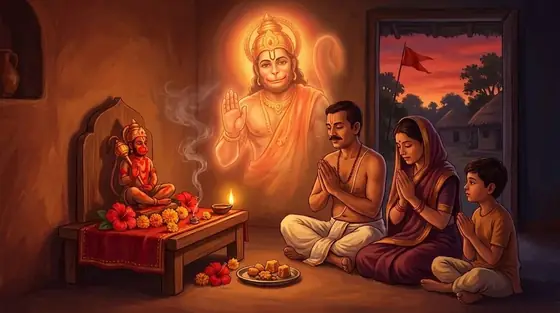
हनुमान जी का मंगलवार व्रत — निःसंतान ब्राह्मण दंपति और बालक मंगल की कथा, व्रत विधि और उद्यापनThe Tuesday fast for Hanuman: the childless Brahmin couple and the boy Mangal, how to keep the fast, and the udyapan
 व्रत कथाVrat Kathas
शनिवार व्रत कथा
Shanivar Vrat Katha
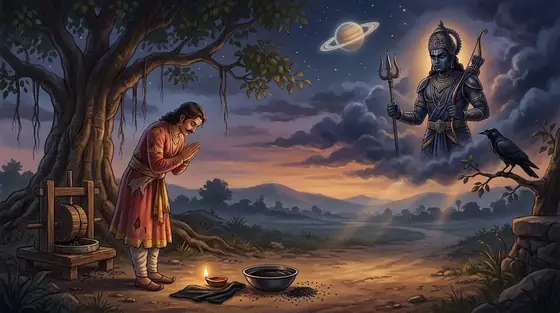
शनि देव का शनिवार व्रत — नवग्रहों का विवाद और राजा विक्रमादित्य की साढ़े साती की कथा, व्रत विधि और उद्यापनThe Saturday fast for Shani Dev: the quarrel of the nine grahas and King Vikramaditya's sade sati, how to keep the fast, and the udyapan