संकटमोचन हनुमानाष्टक
Sankat Mochan Hanuman Ashtak
गोस्वामी तुलसीदास रचित आठ छन्द और दोहा, अर्थ सहितTulsidas's eight verses to Hanuman the remover of trouble, with the meaning of every verse
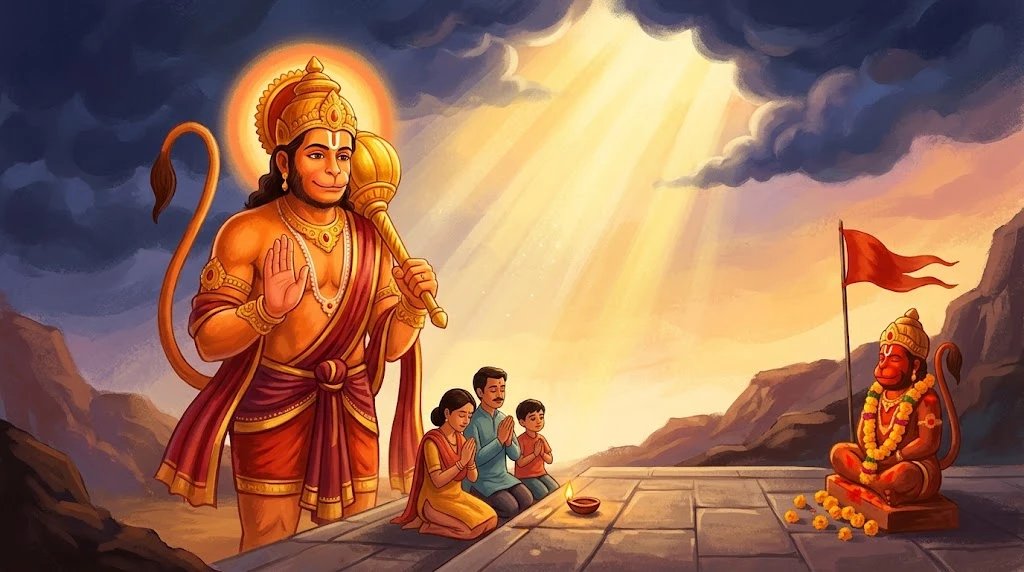
PDF डाउनलोडDownload PDF
संकटमोचन हनुमानाष्टक गोस्वामी तुलसीदास की रचना है: मत्तगयन्द छन्द में आठ पद और अन्त में एक दोहा। हर पद रामायण का एक प्रसंग सुनाता है जिसमें हनुमान जी ने किसी का संकट काटा: बालपन में सूर्य को निगलना, सुग्रीव का भय, सीता की खोज, लक्ष्मण के लिए संजीवनी, नागपाश से छुटकारा और पाताल से राम-लक्ष्मण को लौटाना। हर पद की टेक एक ही है: 'को नहिं जानत है जगमें कपि संकटमोचन नाम तिहारो', अर्थात् संसार में कौन नहीं जानता कि आपका नाम ही संकटमोचन है।
लोग इसे हनुमान चालीसा के बाद पढ़ते हैं, विशेषकर जब कोई कठिनाई सिर पर हो। यहाँ दिया गया पाठ गीता प्रेस, गोरखपुर की मूल पाठ-परम्परा के अनुसार है, हर पद के नीचे उसका सीधा अर्थ है, और साइन-इन करके पूरा पाठ PDF में उतारा जा सकता है।
The Sankat Mochan Hanuman Ashtak is Goswami Tulsidas's hymn of eight verses in the mattagayand metre, closed by a doha. Each verse recalls an episode from the Ramayana in which Hanuman cut through someone's trouble: swallowing the sun as a child, Sugriva's fear of Bali, the search for Sita, the sanjivani herb for Lakshmana, the serpent-noose of Ravana, and the rescue of Rama and Lakshmana from the netherworld. Every verse ends on the same refrain: who in the world does not know that your name itself is Sankat Mochan, the remover of trouble.
People read it after the Hanuman Chalisa, and turn to it especially when a difficulty is pressing. The text below follows the Gita Press, Gorakhpur reading, with a plain meaning under every verse, and the whole text can be downloaded as a PDF after signing in.
पाठThe text
पदVerse 1
बाल समय रबि भक्षि लियो तब तीनहुँ लोक भयो अँधियारो। ताहि सों त्रास भयो जग को यह संकट काहु सों जात न टारो॥ देवन आनि करी बिनती तब छाँड़ि दियो रबि कष्ट निवारो। को नहिं जानत है जगमें कपि संकटमोचन नाम तिहारो॥
बालपन में आपने सूर्य को निगल लिया, जिससे तीनों लोकों में अँधेरा छा गया; संसार भयभीत हो गया और यह संकट किसी से टाला नहीं जा रहा था। तब देवताओं ने आकर विनती की, आपने सूर्य को छोड़ दिया और कष्ट दूर हुआ। संसार में कौन नहीं जानता कि हे कपि, आपका नाम ही संकटमोचन है।As a child you swallowed the sun and all three worlds went dark; the world was in terror and no one could lift that trouble. Then the gods came and pleaded, you released the sun and the suffering ended. Who in the world does not know, O monkey-lord, that your name itself is Sankat Mochan, the remover of trouble.
पदVerse 2
बालि की त्रास कपीस बसै गिरि जात महाप्रभु पंथ निहारो। चौंकि महा मुनि साप दियो तब चाहिय कौन बिचार बिचारो॥ कै द्विज रूप लिवाय महाप्रभु सो तुम दास के सोक निवारो। को नहिं जानत है जगमें कपि संकटमोचन नाम तिहारो॥
बालि के डर से वानरराज सुग्रीव पर्वत पर रहते थे; उन्होंने महाप्रभु राम को राह से आते देखा तो चौंक उठे: कहीं महामुनि (मतंग) का वह शाप, जो बालि को इस पर्वत से दूर रखता था, टूट तो नहीं गया, अब क्या सोचें, क्या करें। तब आपने ब्राह्मण का रूप धरकर महाप्रभु को उनके पास ला दिया और अपने दास सुग्रीव का शोक मिटा दिया। संसार में कौन नहीं जानता कि हे कपि, आपका नाम ही संकटमोचन है।In fear of Bali the monkey-king Sugriva lived on the mountain; seeing the great Lord Rama coming along the path he was startled: had the great sage's curse, which kept Bali off that hill, lost its force, and what was he to think or do now. Then you took the form of a brahmin, brought the great Lord to him, and ended your servant Sugriva's grief. Who in the world does not know, O monkey-lord, that your name itself is Sankat Mochan.
पदVerse 3
अंगद के सँग लेन गये सिय खोज कपीस यह बैन उचारो। जीवत ना बचिहौ हम सो जु बिना सुधि लाए इहाँ पगु धारो॥ हेरि थके तट सिंधु सबै तब लाय सिया-सुधि प्रान उबारो। को नहिं जानत है जगमें कपि संकटमोचन नाम तिहारो॥
अंगद के साथ जो वानर सीता की खोज में गए, उनसे वानरराज सुग्रीव ने कह दिया था कि जो सीता की खबर लाए बिना यहाँ पैर रखेगा, वह मुझसे जीवित नहीं बचेगा। खोजते-खोजते सब समुद्र के किनारे थककर बैठ गए; तब आपने सीता की सुधि लाकर उन सबके प्राण बचाए। संसार में कौन नहीं जानता कि हे कपि, आपका नाम ही संकटमोचन है।To the monkeys who went with Angad in search of Sita, the monkey-king Sugriva had declared that whoever set foot here without news of her would not leave him alive. Searching till they were spent, they all sat down on the shore of the sea; then you brought word of Sita and saved all their lives. Who in the world does not know, O monkey-lord, that your name itself is Sankat Mochan.
पदVerse 4
रावन त्रास दई सिय को सब राक्षसि सों कहि सोक निवारो। ताहि समय हनुमान महाप्रभु जाय महा रजनीचर मारो॥ चाहत सीय असोक सों आगि सु दै प्रभु मुद्रिका सोक निवारो। को नहिं जानत है जगमें कपि संकटमोचन नाम तिहारो॥
रावण ने राक्षसियों के द्वारा सीता जी को बहुत त्रास दिया; आपने वहाँ पहुँचकर बात कहकर उनका शोक दूर किया, और उसी समय, हे महाप्रभु हनुमान, आपने जाकर बड़े-बड़े राक्षसों (रजनीचर, रात में विचरने वाले) को मार डाला। सीता जी अशोक वृक्ष से आग माँग रही थीं कि अपने को जला लें; आपने प्रभु राम की मुद्रिका देकर उनका शोक मिटाया। संसार में कौन नहीं जानता कि हे कपि, आपका नाम ही संकटमोचन है।Ravana had Sita tormented by all his rakshasis; you reached her, spoke to her and took away her grief, and at that very time, great Lord Hanuman, you went and slew the mighty demons (the night-rovers). Sita was asking the Ashoka tree for fire to end her life; by giving her the Lord's ring you lifted her sorrow. Who in the world does not know, O monkey-lord, that your name itself is Sankat Mochan.
पदVerse 5
बान लग्यो उर लछिमन के तब प्रान तजे सुत रावन मारो। लै गृह बैद्य सुषेन समेत तबै गिरि द्रोन सु बीर उपारो॥ आनि सजीवन हाथ दई तब लछिमन के तुम प्रान उबारो। को नहिं जानत है जगमें कपि संकटमोचन नाम तिहारो॥
जब रावण के पुत्र (मेघनाद) का चलाया बाण लक्ष्मण की छाती में लगा और वे प्राण छोड़ने लगे, तब आप वैद्य सुषेण को उनके घर समेत उठा लाए और फिर, हे वीर, द्रोण पर्वत को ही उखाड़ लाए। संजीवनी लाकर आपने वैद्य के हाथ में दी और लक्ष्मण के प्राण बचा लिए। संसार में कौन नहीं जानता कि हे कपि, आपका नाम ही संकटमोचन है।When the arrow shot by Ravana's son (Meghnad) struck Lakshmana in the chest and his life was slipping away, you carried the physician Sushena over, house and all, and then, brave one, uprooted Mount Drona itself. You brought the sanjivani herb, placed it in the physician's hand and saved Lakshmana's life. Who in the world does not know, O monkey-lord, that your name itself is Sankat Mochan.
पदVerse 6
रावन जुद्ध अजान कियो तब नाग कि फाँस सबै सिर डारो। श्रीरघुनाथ समेत सबै दल मोह भयो यह संकट भारो॥ आनि खगेस तबै हनुमान जु बंधन काटि सुत्रास निवारो। को नहिं जानत है जगमें कपि संकटमोचन नाम तिहारो॥
रावण ने अविवेक से युद्ध किया और सबके सिर पर नागपाश की फाँस डाल दी; श्री रघुनाथ सहित पूरी सेना मूर्छित हो गई, यह भारी संकट आ पड़ा। तब, हे हनुमान जी, आप पक्षिराज गरुड़ को ले आए, जिन्होंने बन्धन काटकर उस त्रास को दूर किया। संसार में कौन नहीं जानता कि हे कपि, आपका नाम ही संकटमोचन है।Ravana waged a reckless war and cast the serpent-noose over every head; Rama, lord of the Raghus, and his whole army fell senseless, a grave trouble. Then, Hanuman ji, you brought Garuda, king of birds, who cut the bonds and ended that terror. Who in the world does not know, O monkey-lord, that your name itself is Sankat Mochan.
पदVerse 7
बंधु समेत जबै अहिरावन लै रघुनाथ पताल सिधारो। देबिहिं पूजि भली बिधि सों बलि देउ सबै मिलि मंत्र बिचारो॥ जाय सहाय भयो तब ही अहिरावन सैन्य समेत सँहारो। को नहिं जानत है जगमें कपि संकटमोचन नाम तिहारो॥
जब अहिरावण श्री रघुनाथ को भाई लक्ष्मण सहित पाताल ले गया और सबने मिलकर यह विचार किया कि देवी की विधिपूर्वक पूजा करके इन दोनों की बलि दे दी जाए, तब आप उसी समय सहायता के लिए पहुँचे और अहिरावण को उसकी सेना समेत मार डाला। संसार में कौन नहीं जानता कि हे कपि, आपका नाम ही संकटमोचन है।When Ahiravana carried Rama, lord of the Raghus, together with his brother Lakshmana down to the netherworld, and all his people resolved to worship the goddess with full rites and offer the two as a sacrifice, you went to their aid that very moment and destroyed Ahiravana together with his army. Who in the world does not know, O monkey-lord, that your name itself is Sankat Mochan.
पदVerse 8
काज किये बड़ देवन के तुम बीर महाप्रभु देखि बिचारो। कौन सो संकट मोर गरीब को जो तुमसों नहिं जात है टारो॥ बेगि हरो हनुमान महाप्रभु जो कछु संकट होय हमारो। को नहिं जानत है जगमें कपि संकटमोचन नाम तिहारो॥
हे वीर महाप्रभु, आपने देवताओं के बड़े-बड़े काम किए हैं, ज़रा देखकर विचार कीजिए: मुझ दीन का ऐसा कौन-सा संकट है जो आपसे टाला न जा सके। हे महाप्रभु हनुमान, जो कुछ भी संकट हमारा हो, उसे शीघ्र हर लीजिए। संसार में कौन नहीं जानता कि हे कपि, आपका नाम ही संकटमोचन है।Brave great Lord, you have done mighty deeds for the gods; look and consider: what trouble of mine, a poor man, could there be that you cannot remove. Great Lord Hanuman, whatever trouble is ours, take it away quickly. Who in the world does not know, O monkey-lord, that your name itself is Sankat Mochan.
दोहाDoha
लाल देह लाली लसे, अरु धरि लाल लँगूर। बज्र देह दानव दलन, जय जय जय कपि सूर॥
आपका लाल शरीर सिन्दूर की लाली से दमकता है और आपने लाल पूँछ धारण की है। आपका शरीर वज्र के समान है और आप दानवों को कुचलने वाले हैं; हे शूरवीर कपि, आपकी जय हो, जय हो, जय हो।Your red body shines with a red glow of sindoor, and you bear a red tail. Your body is hard as the thunderbolt and you crush the demons; victory, victory, victory to you, heroic monkey.
पाठ विधिHow to read it
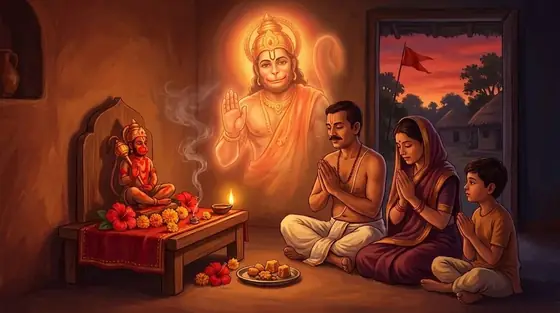
स्नान करके हनुमान जी के चित्र या मूर्ति के सामने दीपक जलाएँ, हो सके तो चमेली के तेल का। पहले हनुमान चालीसा पढ़ें और उसके बाद यह अष्टक; यही क्रम परम्परा में चलता है, इसीलिए गीता प्रेस की पुस्तिका में चालीसा के ठीक बाद यह छपा है।
आठों पद और अन्त का दोहा एक बैठक में पढ़ें। हर पद की अन्तिम पंक्ति, 'को नहिं जानत है जगमें कपि संकटमोचन नाम तिहारो', टेक है; मुद्रित पाठ में इसे संक्षेप में 'को०' लिखा गया है, पाठ में इसे हर बार पूरा बोलें। पाठ के अन्त में गुड़-चने या बूँदी का भोग लगाएँ और प्रसाद बाँटें।
After bathing, light a lamp before a picture or image of Hanuman, with jasmine oil if you can. Read the Hanuman Chalisa first and then this Ashtak; that is the traditional order, which is why the Gita Press booklet prints it right after the Chalisa.
Read all eight verses and the closing doha in one sitting. The last line of every verse, the refrain 'ko nahin janat hai jag mein kapi sankat mochan naam tiharo', is printed in short in the book; say it in full each time. At the end offer jaggery and roasted gram or boondi, and share the prasad.
महत्व और फलMeaning and fruit
अष्टक का हर पद एक ही बात को आठ प्रसंगों से सिद्ध करता है: जो संकट किसी से नहीं टला, वह हनुमान जी से टला। सूर्य को निगलने पर देवताओं का संकट, बालि से डरे सुग्रीव का, सीता की खोज में थके वानरों का, अशोक वाटिका में सीता का, बाण से घायल लक्ष्मण का, नागपाश में बँधी सेना का, पाताल में बन्दी राम-लक्ष्मण का। आठवाँ पद इसी भरोसे पर अपनी बात रखता है: मुझ गरीब का ऐसा कौन-सा संकट है जो आपसे न टले।
इसीलिए इसे संकट के समय पढ़ने की परम्परा है: बीमारी, मुकदमा, कर्ज, भय या किसी अटके काम में। मान्यता है कि नियमित पाठ से डर और बाधाएँ दूर होती हैं, मन में बल आता है और शनि-मंगल के अशुभ प्रभाव शान्त होते हैं।
Every verse of the Ashtak proves one point through eight episodes: a trouble no one else could lift, Hanuman lifted. The gods' trouble when the sun was swallowed, Sugriva's fear of Bali, the exhausted monkeys searching for Sita, Sita herself in the Ashoka grove, Lakshmana struck by the arrow, the army bound in the serpent-noose, Rama and Lakshmana held in the netherworld. The eighth verse rests its own plea on that record: what trouble of a poor man could be beyond you.
That is why the custom is to read it in trouble: in illness, a court case, debt, fear, or when some work is stuck. Regular recitation is held to drive away fear and obstacles, to steady the mind, and to calm the harsh effects of Saturn and Mars.
कब पढ़ेंWhen to read
मंगलवार और शनिवार हनुमान जी के दिन हैं; किसी भी दिन सुबह या संध्या को, हनुमान चालीसा के बाद पढ़ा जाता है। संकट के समय रोज़ पाठ की परम्परा है।Tuesday and Saturday are Hanuman's days; on any day it is read in the morning or evening, after the Hanuman Chalisa. In a time of trouble the custom is a daily reading.
कुंडली मेंIn your kundli
ज्योतिष में हनुमान जी की उपासना मंगल और शनि, दोनों के लिए बताई जाती है। शनि की साढ़ेसाती या ढैया में, शनि या मंगल की महादशा-अन्तर्दशा में, कुंडली में मंगल के नीच या पीड़ित होने पर, और अचानक आए संकट, दुर्घटना के भय या मुकदमे जैसी स्थितियों में इस अष्टक का पाठ उपाय के रूप में दिया जाता है। आपकी कुंडली में शनि और मंगल कहाँ हैं और कौन-सी दशा चल रही है, यह इसी साइट पर अपनी कुंडली बनाकर देखा जा सकता है।In Jyotish the worship of Hanuman is prescribed for both Mars and Saturn. This Ashtak is given as a remedy during Saturn's sade sati or dhaiya, in a Saturn or Mars mahadasha or antardasha, when Mars is debilitated or afflicted in the kundli, and in situations of sudden trouble, fear of accident or a court case. Where Saturn and Mars stand in your kundli and which dasha is running can be seen by building your kundli on this site.
ग्रह: Grahas: मंगलMars, शनिSaturn
अपनी कुंडली में देखेंCheck it in your kundliप्रश्नोत्तरQuestions people ask
- संकटमोचन हनुमानाष्टक कब पढ़ना चाहिए?When should the Sankat Mochan Hanuman Ashtak be read?
- किसी भी दिन सुबह या संध्या को, हनुमान चालीसा के बाद। मंगलवार और शनिवार विशेष दिन हैं, और संकट के समय रोज़ पाठ किया जाता है।On any day, morning or evening, after the Hanuman Chalisa. Tuesday and Saturday are its special days, and in trouble it is read daily.
- हनुमानाष्टक में कितने पद हैं और इसे किसने लिखा?How many verses does the Hanuman Ashtak have, and who wrote it?
- आठ पद हैं, इसीलिए इसे अष्टक कहते हैं, और अन्त में एक दोहा है। इसकी रचना गोस्वामी तुलसीदास ने मत्तगयन्द छन्द में की है।Eight verses, which is what ashtak means, and a closing doha. It was composed by Goswami Tulsidas in the mattagayand metre.
- संकटमोचन हनुमानाष्टक पढ़ने के क्या लाभ हैं?What are the benefits of reading the Sankat Mochan Hanuman Ashtak?
- परम्परा में इसे संकट काटने वाला पाठ माना गया है: भय, रोग, कर्ज, मुकदमे और अटके कामों में पढ़ा जाता है। ज्योतिष में शनि और मंगल के अशुभ प्रभाव का उपाय है।Tradition holds it to be the text that cuts through trouble: it is read in fear, illness, debt, court cases and stuck work. In Jyotish it is a remedy for the harsh effects of Saturn and Mars.
- क्या हनुमानाष्टक हनुमान चालीसा के बिना पढ़ सकते हैं?Can the Hanuman Ashtak be read without the Hanuman Chalisa?
- पढ़ सकते हैं। परम्परा में पहले चालीसा और फिर अष्टक पढ़ा जाता है, पर समय कम हो तो केवल अष्टक का पाठ भी किया जाता है। पाठ में पवित्रता और एकाग्रता पर ध्यान दें।Yes. The traditional order is the Chalisa first and then the Ashtak, but when time is short the Ashtak alone is read. What matters is cleanliness and attention during the reading.
साथ में पढ़ेंRead alongside
 चालीसाChalisas
श्री हनुमान चालीसा
Hanuman Chalisa
गोस्वामी तुलसीदास रचित चालीस चौपाइयाँ, अर्थ सहितTulsidas's forty verses to Hanuman, with the meaning of every line
 आरतीAartis
हनुमान जी की आरती
Hanuman Ji Ki Aarti
आरती कीजै हनुमान लला की, गीता प्रेस के पाठ से, हर पद के अर्थ सहितAarti Kije Hanuman Lala Ki, from the Gita Press text, with the meaning of every stanza
 स्तोत्र और कवचStotras and Kavachas
हनुमान बाहुक
Hanuman Bahuk
गोस्वामी तुलसीदास रचित चौवालीस छन्द, हर छन्द के अर्थ सहितTulsidas's forty-four verses to Hanuman, with the meaning of every verse
 व्रत कथाVrat Kathas
मंगलवार व्रत कथा
Mangalvar Vrat Katha
हनुमान जी का मंगलवार व्रत — निःसंतान ब्राह्मण दंपति और बालक मंगल की कथा, व्रत विधि और उद्यापनThe Tuesday fast for Hanuman: the childless Brahmin couple and the boy Mangal, how to keep the fast, and the udyapan