बजरंग बाण
Bajrang Baan
गोस्वामी तुलसीदास को परम्परा से समर्पित दोहा, पैंतीस चौपाइयाँ और दोहा, अर्थ सहितThe prayer to Hanuman traditionally attributed to Tulsidas: a doha, thirty-five chaupais and a closing doha, with the meaning of every verse
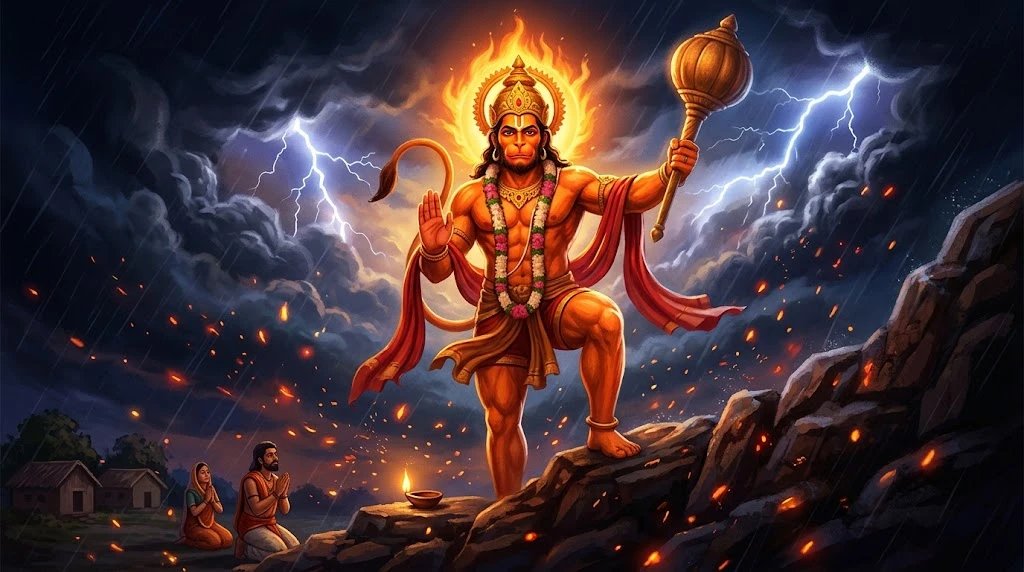
PDF डाउनलोडDownload PDF
बजरंग बाण हनुमान जी की एक अवधी प्रार्थना है, जो परम्परा से गोस्वामी तुलसीदास की रचना मानी जाती है। इसमें एक आरम्भिक दोहा, चौपाइयाँ और एक अन्तिम दोहा है। पहले भाग में लंका-यात्रा के प्रसंग याद किए जाते हैं: समुद्र लाँघना, सुरसा और लंकिनी, सीता की खोज, अक्षयकुमार का वध और लंका-दहन। उसके बाद भक्त बार-बार पुकारता है कि अब देर क्यों, और राम तथा सीता की शपथ देकर सहायता माँगता है। कुछ पंक्तियों में ॐ, ह्रीं, हुँ जैसे बीजाक्षर हैं।
परम्परा इसे कठिन समय की प्रबल प्रार्थना मानती है और इसे श्रद्धा और पवित्रता के साथ पढ़ने को कहती है। यहाँ पाठ रणधीर प्रकाशन, हरिद्वार की मुद्रित प्रति से अक्षरशः लिया गया है, हर दोहे और चौपाई के नीचे उसका सीधा अर्थ है, और साइन-इन करके पूरा पाठ PDF में उतारा जा सकता है।
The Bajrang Baan is an Awadhi prayer to Hanuman, traditionally attributed to Goswami Tulsidas. It has an opening doha, a run of chaupais and a closing doha. The first part recalls the journey to Lanka: the leap over the sea, Surasa and Lankini, the search for Sita, the slaying of Akshay Kumar and the burning of the city. After that the devotee calls out again and again, asking why the help is delayed, and appeals to Hanuman by the oath of Rama and of Sita. Some lines carry seed-syllables (bija) of mantra such as ॐ, hrim and hum.
Tradition treats it as a forceful prayer for hard times and asks that it be read with faith and purity. The text below is taken letter by letter from a printed edition by Randhir Prakashan, Haridwar, with a plain meaning under every doha and chaupai, and the whole text can be downloaded as a PDF after signing in.
पाठThe text
दोहाDoha
निश्चय प्रेम प्रतीति ते, विनय करें सनमान। तेहि के कारज सकल शुभ, सिद्ध करें हनुमान॥
जो लोग दृढ़ निश्चय, प्रेम और विश्वास के साथ विनय करते हैं और हनुमान जी का सम्मान करते हैं, उनके सब काम शुभ होते हैं; हनुमान जी उन्हें सिद्ध करते हैं।Those who pray humbly and honour Hanuman with firm resolve, love and trust find all their works turn out well; Hanuman brings them to fulfilment.
चौपाईChaupai 1
जय हनुमान सन्त हितकारी। सुन लीजै प्रभु अरज हमारी॥
हे सन्तों का हित करने वाले हनुमान, आपकी जय हो। हे प्रभु, हमारी विनती सुन लीजिए।Victory to Hanuman, who does good to the saintly. Lord, hear our plea.
चौपाईChaupai 2
जन के काज विलम्ब न कीजे। आतुर दौरि महासुख दीजे॥
अपने भक्त के काम में देर न कीजिए। शीघ्र दौड़कर आइए और परम सुख दीजिए।Do not delay in the work of your devotee. Come running in haste and give great joy.
चौपाईChaupai 3
जैसे कूदि सिन्धु महि पारा। सुरसा बदन पैठि विस्तारा॥
जैसे आप कूदकर समुद्र के पार धरती पर जा पहुँचे, और सुरसा (नागमाता, जो देवताओं के कहने पर परीक्षा लेने आई थी) ने मुँह फैलाया तो आप उसमें प्रवेश कर गए (और बाहर निकल आए)।Just as you leapt across the sea to the land beyond, and when Surasa (the serpent-mother sent by the gods to test you) stretched her mouth wide, you entered it (and came out again).
चौपाईChaupai 4
आगे जाई लंकिनी रोका। मारेहु लात गई सुर लोका॥
आगे जाने पर लंका की रक्षिका लंकिनी ने आपको रोका; आपने उसे प्रहार किया और वह देवलोक को चली गई।Going on, you were stopped by Lankini, guardian of Lanka; you struck her a blow and she went to the world of the gods.
चौपाईChaupai 5
जाय विभीषण को सुख दीन्हा। सीता निरखि परमपद लीन्हा॥
आपने जाकर विभीषण को सुख दिया। सीता जी के दर्शन करके आपने परम पद, अर्थात् सबसे ऊँचा आनन्द पाया।You went and brought comfort to Vibhishana. Seeing Sita, you attained the highest state, the supreme joy.
चौपाईChaupai 6
बाग उजारि सिंधु मँह बोरा। अति आतुर यम कातर तोरा॥
आपने (अशोक) वाटिका उजाड़ दी और (उसके रखवालों को) समुद्र में डुबो दिया। बड़ी शीघ्रता से आपने यम की कटार, अर्थात् मृत्यु के बन्धन को तोड़ डाला।You laid waste the (Ashoka) grove and plunged (its guards) into the sea. In great haste you broke the dagger of Yama, the god of death, that is, the grip of death itself.
चौपाईChaupai 7
अक्षय कुमार को मार संहारा। लूम लपेट लंक को जारा॥
आपने रावण के पुत्र अक्षयकुमार को मार गिराया। पूँछ (लूम) में लपेटी आग से आपने लंका को जला दिया।You struck down and slew Akshay Kumar, Ravana's son. With the fire wrapped round your tail you burned Lanka.
चौपाईChaupai 8
लाह समान लंक जरि गई। जय जय ध्वनि सुरपुर में भई॥
लंका लाख की तरह जल गई। देवताओं के नगर में आपकी जय-जयकार गूँज उठी।Lanka burned away like lac. Cries of victory rang out in the city of the gods.
चौपाईChaupai 9
अब विलम्ब केहि कारन स्वामी। कृपा करहु उर अन्तर्यामी॥
हे स्वामी, अब देर किस कारण है? हे हृदय की बात जानने वाले (अन्तर्यामी), कृपा कीजिए।Master, why the delay now? You who know what lies within every heart, have mercy.
चौपाईChaupai 10
जय जय लक्ष्मण प्राण के दाता। आतुर होय दुःख हरहु निपाता॥
हे लक्ष्मण को प्राण देने वाले, आपकी जय हो, जय हो। शीघ्रता से आकर दुःख हर लीजिए और उसे नष्ट कर दीजिए।Victory, victory to you who gave Lakshmana back his life. Come in haste, take away the sorrow and destroy it.
चौपाईChaupai 11
जय गिरधर जय जय सुखसागर। सुर समूह समरथ भटनागर॥
हे पर्वत उठाकर लाने वाले (गिरधर), आपकी जय हो; हे सुख के सागर, आपकी जय हो। आप देवताओं के समूह में समर्थ और योद्धाओं में श्रेष्ठ (भटनागर) हैं।Victory to you who carried the mountain; victory, victory, ocean of joy. Among the hosts of the gods you are the mighty one, the foremost of warriors.
चौपाईChaupai 12
श्री हनु हनु हनु हनुमंत हठीले। बैरिहिं मारु वज्र को कीले॥
हे श्री हनुमान, हे दृढ़ संकल्प वाले (हठीले) हनुमन्त, आपको बार-बार पुकारता हूँ। वज्र की कील के समान प्रहार से शत्रुओं को मारिए।O Shri Hanuman, resolute Hanuman, I call your name again and again. Strike the foes as with a thunderbolt spike.
चौपाईChaupai 13
गदा वज्र लै बैरिहिं मारो। महाराज प्रभु दास उबारो॥
गदा और वज्र लेकर शत्रुओं को मारिए। हे महाराज, हे प्रभु, अपने दास को उबार लीजिए।Take up mace and thunderbolt and strike the foes. Great king, Lord, rescue your servant.
चौपाईChaupai 14
ओंकार हुँकार प्रभु धावो। बज्र गदा हनु विलम्ब न लावो॥
हे प्रभु, ॐकार और हुंकार करते हुए दौड़कर आइए। हे हनुमान, वज्र और गदा लेकर आने में देर न कीजिए।Lord, come running with the sound of ॐ and a great roar. Hanuman, bring thunderbolt and mace and make no delay.
चौपाईChaupai 15
ओं ह्रीं ह्रीं ह्रीं हनुमान कपीशा। ओं हुँ हुँ हुँ हनु अरि उर शीशा॥
पंक्तियों के आरम्भ के ओं (ॐ), ह्रीं और हुँ बीजाक्षर हैं, मन्त्र की ध्वनियाँ, जिनका शब्दार्थ नहीं किया जाता। इनके साथ वानरों के स्वामी (कपीश) हनुमान को पुकारा गया है कि शत्रु की छाती और सिर पर प्रहार करें।The syllables that open these lines are seed-syllables (bija) of mantra, sounds that are not translated word for word. With them Hanuman, lord of the monkeys, is called on to strike the enemy's chest and head.
चौपाईChaupai 16
सत्य होहु हरि शपथ पाय के। रामदूत धरु मारु धाय के॥
हरि (श्री राम) की शपथ पाकर उसे सत्य कीजिए। हे रामदूत, दौड़कर (शत्रु को) पकड़िए और मारिए।Bound by the oath of Hari (Rama), prove it true. Messenger of Rama, run, seize (the foe) and strike.
चौपाईChaupai 17
जय जय जय हनुमन्त अगाधा। दुःख पावत जन केहि अपराधा॥
हे अथाह (अगाध) शक्ति वाले हनुमान, आपकी जय हो, जय हो, जय हो। आपका भक्त किस अपराध के कारण दुःख पा रहा है?Victory, victory, victory to Hanuman, whose depth no one can measure. For what fault is your devotee suffering?
चौपाईChaupai 18
पूजा जप तप नेम अचारा। नहिं जानत हौं दास तुम्हारा॥
पूजा, जप, तप, नियम और आचार, मैं इनमें से कुछ नहीं जानता; मैं तो बस आपका दास हूँ।Worship, japa, austerity, vows and right conduct: I know none of these; I am only your servant.
चौपाईChaupai 19
वन उपवन मग, गिरी गृह माँही। तुम्हरे बल हम डरपत नाहीं॥
वन में, उपवन में, मार्ग में, पर्वत पर या घर में, कहीं भी, आपके बल के भरोसे हम नहीं डरते।In forest or garden, on the road, on the mountain or at home, wherever we are, we do not fear, trusting in your strength.
चौपाईChaupai 20
पाँय परौ कर जोरि मनावौं। यहि अवसर अब केहि गोहरावौं॥
मैं आपके पैरों पड़ता हूँ और हाथ जोड़कर मनाता हूँ। इस घड़ी में अब मैं और किसे पुकारूँ?I fall at your feet and plead with folded hands. At this hour, whom else should I call on?
चौपाईChaupai 21
जय अन्जनि कुमार बलवन्ता। शंकर सुवन वीर हनुमन्ता॥
हे बलवान अंजनी-पुत्र, आपकी जय हो। हे शंकर-सुवन (शिव के अंश से जन्मे) वीर हनुमान, आपकी जय हो।Victory to the mighty son of Anjani. Victory to the brave Hanuman, Shankar-suvan, born of Shiva's own power.
चौपाईChaupai 22
बदन कराल काल कुल घालक। राम सहाय सदा प्रतिपालक॥
आपका रूप विकराल है और आप काल के कुल का भी नाश करने वाले हैं। आप श्री राम के सहायक और सदा (भक्तों के) रक्षक हैं।Your form is fearsome, and you destroy even the line of Kala, death. You are Rama's helper and the ever-present protector (of devotees).
चौपाईChaupai 23
भूत प्रेत पिशाच निशाचर। अग्नि बैताल काल मारी मर॥
भूत, प्रेत, पिशाच, रात में विचरने वाले (निशाचर), अग्नि-बैताल, काल और महामारी (मारी), (ये सब जो कष्ट देते हैं)।Ghosts, spirits, pishachas, the night-roamers, the fiery vetala, death and pestilence (all these that torment).
चौपाईChaupai 24
इन्हें मारु तोहि शपथ राम की। राखु नाथ मर्यादा नाम की॥
इन सबको मारिए, आपको श्री राम की शपथ है। हे नाथ, (राम के) नाम की मर्यादा रखिए।Strike all these down: you are bound by Rama's oath. Lord, uphold the honour of (Rama's) name.
चौपाईChaupai 25
जनक सुता हरिदास कहावो। ताकी शपथ विलम्ब न लावो॥
आप जनक की पुत्री (सीता जी) और हरि (श्री राम) के दास कहलाते हैं। उन्हीं की शपथ है, देर न कीजिए।You are called the servant of Janaka's daughter (Sita) and of Hari (Rama). By her oath, make no delay.
चौपाईChaupai 26
जय जय जय धुनि होत अकाशा। सुमिरत होत दुसह दुःख नाशा॥
आकाश में आपकी जय-जय-जय की ध्वनि हो रही है। आपका स्मरण करते ही असहनीय दुःख का नाश हो जाता है।The sky resounds with your victory, victory, victory. To remember you is to see unbearable sorrow destroyed.
चौपाईChaupai 27
चरण शरण कर जोरि मनावौं। यहि अवसर अब केहि गोहरावौं॥
आपके चरणों की शरण में आकर हाथ जोड़कर मनाता हूँ। इस घड़ी में अब मैं और किसे पुकारूँ?Taking refuge at your feet, I plead with folded hands. At this hour, whom else should I call on?
चौपाईChaupai 28
उठु उठु चलू तोहि राम दुहाई। पाँय परौं कर जोरि मनाई॥
उठिए, उठिए, चलिए, आपको श्री राम की दुहाई (उनके नाम से पुकार) है। मैं पैरों पड़कर, हाथ जोड़कर मनाता हूँ।Rise, rise and come: I call on you in Rama's name. I fall at your feet and plead with folded hands.
चौपाईChaupai 29
ओं चं चं चं चं चपल चलंता। ओं हनु हुन हुन हनु हनुमन्ता॥
इन पंक्तियों में भी बीजाक्षर हैं। इनके साथ फुर्ती से चलने वाले, चपल हनुमान को पुकारा गया है।These lines too carry seed-syllables. With them the nimble Hanuman, swift in his movement, is called upon.
चौपाईChaupai 30
ओं हं हं हाँक देत कपि चंचल। ओं सं सं सहमि पराने खल दल॥
बीजाक्षरों के साथ कहा गया है: चंचल कपि हनुमान ललकार (हाँक) देते हैं, और दुष्टों के दल सहमकर भाग जाते हैं।With the seed-syllables the line says: the restless monkey-hero gives a mighty shout, and the bands of the wicked shrink back and flee.
चौपाईChaupai 31
अपने जन को तुरत उबारो। सुमिरत होय आनन्द हमारो॥
अपने भक्त को तुरन्त उबार लीजिए। आपका स्मरण करते ही हमें आनन्द होता है।Rescue your own devotee at once. Remembering you, we are filled with joy.
चौपाईChaupai 32
यह बजरङ्ग बाण जेहि मारे। ताहि कहो फिर कौन उबारे॥
यह बजरंग बाण जिसे लगे, बताइए, फिर उसे कौन बचा सकता है? (यहाँ बाण का लक्ष्य वही बाधाएँ हैं जिनके नाम ऊपर गिनाए गए हैं।)Tell me, what this Bajrang Baan strikes, who then can save? (The arrow's targets are the afflictions named above.)
चौपाईChaupai 33
पाठ करे बजरङ्ग बाण की। हनुमत रक्षा करैं प्राण की॥
जो बजरंग बाण का पाठ करता है, हनुमान जी उसके प्राणों की रक्षा करते हैं।Whoever reads the Bajrang Baan, Hanuman guards their life.
चौपाईChaupai 34
यह बजरङ्ग बाण जो जापै। ताते भूत प्रेत सब काँपै॥
जो इस बजरंग बाण का जप करता है, उससे भूत-प्रेत सब काँपते हैं।Whoever recites this Bajrang Baan, before them all ghosts and spirits tremble.
चौपाईChaupai 35
धूप देय अरु जपैं हमेशा। ताके तन नहिं रहै कलेशा॥
जो धूप देकर इसका सदा जप करते हैं, उनके शरीर में कोई क्लेश नहीं रहता।Those who offer incense and recite it always, no affliction remains in their body.
दोहाDoha
प्रेम प्रतीतहि कपि भजै, सदा धरै उर ध्यान। तेहि के कारज सकल शुभ, सिद्ध करैं हनुमान॥
जो प्रेम और विश्वास के साथ कपि (हनुमान) को भजता है और सदा हृदय में उनका ध्यान रखता है, उसके सब काम शुभ होते हैं; हनुमान जी उन्हें सिद्ध करते हैं।Whoever worships the monkey-lord Hanuman with love and trust and always keeps him in the heart's meditation finds all their works turn out well; Hanuman brings them to fulfilment.
पाठ विधिHow to read it
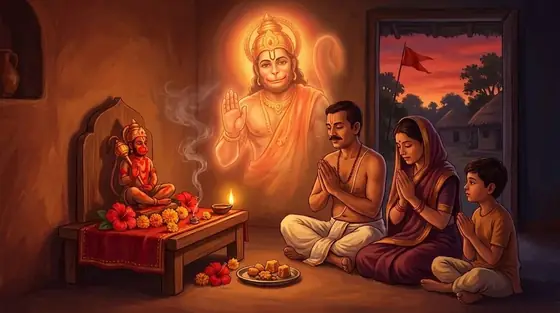
स्नान करके स्वच्छ वस्त्र पहनें और हनुमान जी के चित्र या मूर्ति के सामने बैठें। दीपक जलाएँ; पाठ स्वयं धूप देने की बात कहता है (चौपाई 35), इसलिए धूप या अगरबत्ती भी जलाई जाती है। परम्परा में पहले हनुमान चालीसा पढ़ी जाती है और उसके बाद बजरंग बाण।
आरम्भिक दोहे से अन्तिम दोहे तक पूरा पाठ एक बैठक में, बिना कोई पंक्ति छोड़े, स्पष्ट स्वर में करें। जिन पंक्तियों में बीजाक्षर हैं (चौपाई 15, 29 और 30), उन्हें धीरे और जैसे छपे हैं वैसे ही पढ़ें। पाठ के बाद श्री राम और हनुमान जी को प्रणाम करें, गुड़-चने का भोग लगाएँ और प्रसाद बाँटें।
After bathing, put on clean clothes and sit before a picture or image of Hanuman. Light a lamp; the text itself speaks of offering incense (chaupai 35), so incense is lit as well. The traditional order is the Hanuman Chalisa first and the Bajrang Baan after it.
Read the whole text in one sitting, from the opening doha to the closing one, without skipping a line, in a clear voice. Read the lines with seed-syllables (chaupais 15, 29 and 30) slowly and exactly as printed. At the end bow to Rama and Hanuman, offer jaggery and roasted gram, and share the prasad.
महत्व और परम्पराMeaning and tradition
बजरंग बाण दो भागों में चलता है। पहले भाग में भक्त हनुमान जी के वे काम याद करता है जो उन्होंने राम-काज में किए: समुद्र लाँघना, सीता की खोज, लंका-दहन और लक्ष्मण के प्राण बचाना। दूसरे भाग में स्वर बदल जाता है: भक्त पूछता है कि अब देर क्यों, कहता है कि उसे पूजा-जप का कोई ज्ञान नहीं, वह बस दास है, और राम तथा सीता की शपथ देकर तुरन्त आने की विनती करता है। जिन बाधाओं को मारने की प्रार्थना है, उनके नाम पाठ स्वयं गिनाता है: भूत, प्रेत, पिशाच, काल और महामारी।
इसी स्वर के कारण परम्परा इसे एक प्रबल प्रार्थना मानती है, जिसे 'बाण' कहा गया, और इसे कठिन समय में पढ़ा जाता है: भय, लम्बी बीमारी, बार-बार की रुकावट या ऐसी घड़ी में जब कोई और सहारा न दिखे। पाठ का फल वह स्वयं बताता है: हनुमान जी प्राणों की रक्षा करते हैं और शरीर में क्लेश नहीं रहता। इसके आगे हम कोई वादा नहीं करते; परम्परा फल को श्रद्धा और मन की स्थिरता से जोड़ती है।
The Bajrang Baan moves in two parts. In the first the devotee recalls what Hanuman did in Rama's service: the leap over the sea, the search for Sita, the burning of Lanka and the saving of Lakshmana's life. In the second the tone changes: the devotee asks why help is delayed, says they know nothing of worship or japa and are only a servant, and begs Hanuman to come at once by the oath of Rama and of Sita. The text itself names the troubles it asks him to strike down: ghosts, spirits, pishachas, death and pestilence.
Because of this tone, tradition treats it as a forceful prayer, an 'arrow', and reads it in hard times: in fear, in a long illness, when obstacles keep returning, or at an hour when no other support is in sight. The text states its own fruit: Hanuman guards the reader's life and no affliction remains in the body. Beyond that we make no promise; tradition ties the fruit to faith and a steady mind.
पाठ करते समय ध्यान रखेंA word of care
बजरंग बाण में 'शत्रु को मारो' जैसे शब्द और शपथ की पुकार है, इसलिए परम्परा इसे रोज़ की स्तुतियों से अधिक सावधानी से पढ़ने को कहती है: श्रद्धा के साथ, तन और मन की पवित्रता के साथ, और क्रोध से दूर रहकर।
पाठ में जिन 'शत्रुओं' का नाम है, वे भूत-प्रेत, भय, काल और क्लेश हैं, अर्थात् वे शक्तियाँ जो भक्त को सताती हैं, कोई व्यक्ति नहीं। यह रक्षा की प्रार्थना है; इसे किसी का अहित करने के लिए नहीं पढ़ा जाता, और ऐसी इच्छा से इसका पाठ नहीं करना चाहिए। इस पाठ से डरने का भी कोई कारण नहीं है: जो इसे भक्ति से पढ़ता है, वह केवल सहायता माँग रहा है, और हनुमान जी इसी के लिए याद किए जाते हैं।
The Bajrang Baan uses words like 'strike the foe' and calls on Hanuman under oath, so tradition asks that it be read with more care than everyday hymns: with faith, with cleanliness of body and mind, and away from anger.
The 'enemies' the text names are ghosts and spirits, fear, death and affliction, the forces that trouble a devotee, not any person. It is a prayer for protection; it is not read to bring harm to anyone, and it should not be read with that wish. Nor is there any reason to be afraid of it: whoever reads it with devotion is only asking for help, which is what Hanuman is remembered for.
कब पढ़ेंWhen to read
मंगलवार और शनिवार हनुमान जी के दिन हैं; किसी भी दिन सुबह या संध्या को स्नान के बाद, हनुमान चालीसा के पश्चात पढ़ा जाता है। कठिन समय में कई लोग इसे रोज़ पढ़ते हैं।Tuesday and Saturday are Hanuman's days; on any day it is read in the morning or evening after bathing, following the Hanuman Chalisa. In hard times many people read it daily.
कुंडली मेंIn your kundli
ज्योतिष में हनुमान जी की उपासना मंगल और शनि, दोनों के लिए बताई जाती है। कुंडली में मंगल नीच का या पीड़ित हो, मंगल या शनि की महादशा-अन्तर्दशा चल रही हो, शनि की साढ़ेसाती या ढैया हो, या जीवन में संघर्ष, भय और लम्बी रुकावट का समय हो, तो बजरंग बाण का पाठ उपाय के रूप में दिया जाता है। यह प्रार्थना है, किसी फल की गारंटी नहीं। आपकी कुंडली में मंगल और शनि कहाँ हैं और कौन-सी दशा चल रही है, यह इसी साइट पर अपनी कुंडली बनाकर देखा जा सकता है।In Jyotish the worship of Hanuman is prescribed for both Mars and Saturn. When Mars is debilitated or afflicted in the kundli, during a Mars or Saturn mahadasha or antardasha, during Saturn's sade sati or dhaiya, or in a period of conflict, fear or long obstruction, the Bajrang Baan is given as a remedy. It is a prayer, not a guarantee of any result. Where Mars and Saturn stand in your kundli and which dasha is running can be seen by building your kundli on this site.
ग्रह: Grahas: मंगलMars, शनिSaturn
अपनी कुंडली में देखेंCheck it in your kundliप्रश्नोत्तरQuestions people ask
- बजरंग बाण कब पढ़ना चाहिए?When should the Bajrang Baan be read?
- किसी भी दिन सुबह या संध्या को, स्नान के बाद और हनुमान चालीसा के पश्चात। मंगलवार और शनिवार विशेष दिन हैं, और कठिन समय में इसे रोज़ पढ़ने की परम्परा है।On any day, morning or evening, after bathing and after the Hanuman Chalisa. Tuesday and Saturday are its special days, and in hard times the custom is to read it daily.
- बजरंग बाण कितनी बार पढ़ना चाहिए?How many times should the Bajrang Baan be read?
- साधारणतः एक बैठक में एक बार पूरा पाठ किया जाता है। कुछ लोग कुछ दिनों तक रोज़ पढ़ने का संकल्प लेते हैं। गिनती से अधिक महत्व ध्यान का है: समझकर, धीरे किया गया एक पाठ जल्दबाज़ी के कई पाठों से अच्छा है।Usually it is read once, in full, at a sitting. Some people take a resolve to read it daily for a number of days. Attention matters more than the count: one slow reading with understanding is better than many hurried ones.
- बजरंग बाण पढ़ने के क्या लाभ हैं?What are the benefits of reading the Bajrang Baan?
- पाठ स्वयं कहता है कि हनुमान जी पढ़ने वाले के प्राणों की रक्षा करते हैं, भूत-प्रेत काँपते हैं और शरीर में क्लेश नहीं रहता। परम्परा में इसे भय और कठिनाई के समय साहस और भरोसे के लिए पढ़ा जाता है। यह प्रार्थना है; किसी निश्चित फल का वादा नहीं।The text itself says that Hanuman guards the reader's life, that ghosts and spirits tremble, and that no affliction remains in the body. Tradition reads it for courage and trust in times of fear and hardship. It is a prayer, not the promise of a fixed result.
- बजरंग बाण पढ़ने के क्या नियम हैं?What are the rules for reading the Bajrang Baan?
- स्नान करके, स्वच्छ स्थान पर, दीपक और धूप के साथ, श्रद्धा और शान्त मन से पढ़ें। पूरा पाठ बिना पंक्ति छोड़े करें और बीजाक्षर जैसे छपे हैं वैसे ही बोलें। इसे क्रोध में या किसी का अहित चाहकर नहीं पढ़ा जाता; यह रक्षा की प्रार्थना है।Read it after bathing, in a clean place, with a lamp and incense, with faith and a calm mind. Read the whole text without skipping a line and say the seed-syllables exactly as printed. It is not read in anger or wishing harm on anyone; it is a prayer for protection.
साथ में पढ़ेंRead alongside
 चालीसाChalisas
श्री हनुमान चालीसा
Hanuman Chalisa
गोस्वामी तुलसीदास रचित चालीस चौपाइयाँ, अर्थ सहितTulsidas's forty verses to Hanuman, with the meaning of every line
 स्तोत्र और कवचStotras and Kavachas
संकटमोचन हनुमानाष्टक
Sankat Mochan Hanuman Ashtak
गोस्वामी तुलसीदास रचित आठ छन्द और दोहा, अर्थ सहितTulsidas's eight verses to Hanuman the remover of trouble, with the meaning of every verse
 स्तोत्र और कवचStotras and Kavachas
हनुमान बाहुक
Hanuman Bahuk
गोस्वामी तुलसीदास रचित चौवालीस छन्द, हर छन्द के अर्थ सहितTulsidas's forty-four verses to Hanuman, with the meaning of every verse
 आरतीAartis
हनुमान जी की आरती
Hanuman Ji Ki Aarti
आरती कीजै हनुमान लला की, गीता प्रेस के पाठ से, हर पद के अर्थ सहितAarti Kije Hanuman Lala Ki, from the Gita Press text, with the meaning of every stanza
 व्रत कथाVrat Kathas
मंगलवार व्रत कथा
Mangalvar Vrat Katha
हनुमान जी का मंगलवार व्रत — निःसंतान ब्राह्मण दंपति और बालक मंगल की कथा, व्रत विधि और उद्यापनThe Tuesday fast for Hanuman: the childless Brahmin couple and the boy Mangal, how to keep the fast, and the udyapan