संकटनाशन गणेश स्तोत्र
Sankat Nashan Ganesh Stotra
नारदपुराण का 'प्रणम्य शिरसा देवं', गणेश जी के बारह नाम और फलश्रुति, अर्थ सहितPranamya Shirasa Devam from the Narada Purana: Ganesha's twelve names and the phalashruti, with the meaning of every verse
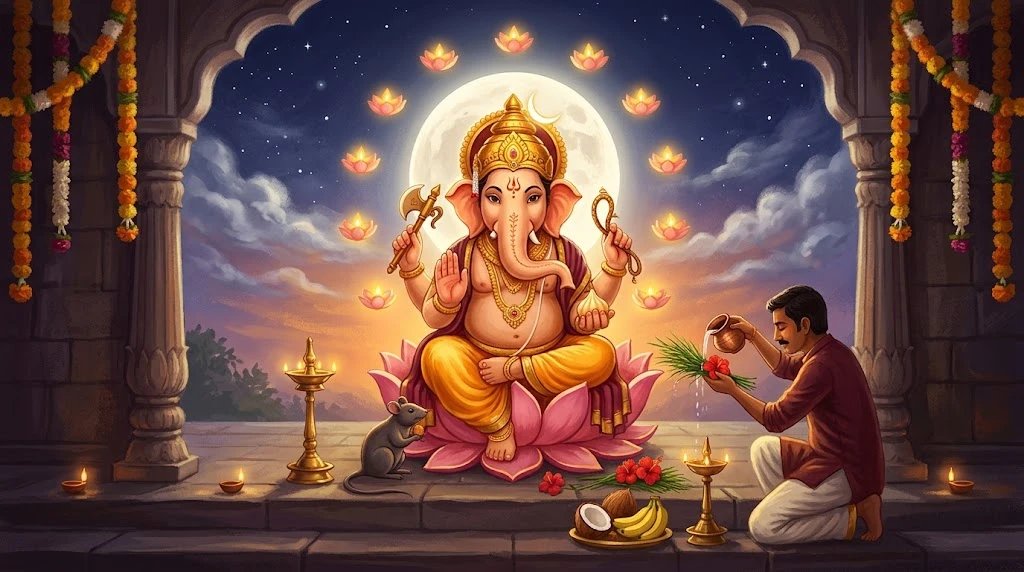
अगला व्रतNext fast
गुरुवार, 29 अक्टूबर 2026Thursday, 29 October 2026
संकष्टी चतुर्थीSankashti Chaturthi
कार्तिक कृष्ण चतुर्थी · 01:07 (29 अक्टूबर 2026) से 22:10 (29 अक्टूबर 2026) तकKartika Krishna Chaturthi · from 01:07 on 29 October 2026 to 22:10 on 29 October 2026
- चन्द्रोदयMoonrise
- 20:11
आगे की तिथियाँDates after that
- शुक्रवार, 27 नवंबर 2026Friday, 27 November 2026संकष्टी चतुर्थीSankashti Chaturthi
- शनिवार, 26 दिसंबर 2026Saturday, 26 December 2026संकष्टी चतुर्थीSankashti Chaturthi
- सोमवार, 25 जनवरी 2027Monday, 25 January 2027संकष्टी चतुर्थीSankashti Chaturthi
PDF डाउनलोडDownload PDF
संकटनाशन गणेश स्तोत्र आठ श्लोकों का संस्कृत स्तोत्र है, जिसे देवर्षि नारद कहते हैं। पहले श्लोक में वे गौरी-पुत्र विनायक को सिर झुकाकर प्रणाम करते हैं, अगले तीन श्लोकों में गणेश जी के बारह नाम क्रम से गिनाए गए हैं, वक्रतुण्ड से गजानन तक, और अन्तिम चार श्लोक फलश्रुति हैं, यानी इन नामों के पाठ का फल। गीता प्रेस की स्तोत्ररत्नावली के अन्त-वाक्य में इसे नारदपुराण का बताया गया है; परम्परा भी इसे नारदपुराण से ही जोड़ती है।
विघ्न और संकट दूर करने के लिए, किसी भी काम के आरम्भ में और विशेषकर संकष्टी चतुर्थी के व्रत में यह स्तोत्र पढ़ा जाता है; विद्यार्थी इसे पढ़ाई से पहले पढ़ते हैं। इस पृष्ठ पर पूरा पाठ गीता प्रेस, गोरखपुर की स्तोत्ररत्नावली के अनुसार है, हर श्लोक के नीचे उसका सीधा अर्थ और हर नाम की व्याख्या है, आगे आने वाली संकष्टी चतुर्थी की तिथियाँ दी गई हैं, और साइन-इन के बाद पूरा पाठ मुफ्त PDF में उतारा जा सकता है।
The Sankat Nashan Ganesh Stotra, the hymn that destroys trouble, is a Sanskrit stotra of eight verses spoken by the sage Narada. In the first verse he bows his head to Vinayaka, the son of Gauri; the next three verses list Ganesha's twelve names in order, from Vakratunda to Gajanana; and the last four are the phalashruti, the fruit of reciting those names. The closing line in the Gita Press Stotra Ratnavali places it in the Narada Purana, and tradition too links it to that Purana.
It is read to clear obstacles and trouble, at the start of any undertaking, and above all on the Sankashti Chaturthi fast; students read it before they sit down to study. This page gives the full text as printed in the Gita Press, Gorakhpur Stotra Ratnavali, a plain meaning under every verse with each name explained, the coming Sankashti Chaturthi dates, and, after sign-in, a free PDF of the whole text.
पाठThe text
पदVerse 1
नारद उवाच प्रणम्य शिरसा देवं गौरीपुत्रं विनायकम्। भक्तावासं स्मरेन्नित्यमायुःकामार्थसिद्धये॥
नारद जी कहते हैं: गौरी (पार्वती) के पुत्र, भक्तों के आश्रय (भक्तावास) देव विनायक को सिर झुकाकर प्रणाम करके, आयु, कामनाओं और धन (आयुः-काम-अर्थ) की सिद्धि के लिए उनका नित्य स्मरण करना चाहिए।Narada said: Bowing the head to the god Vinayaka, son of Gauri (Parvati), in whom his devotees find their home (bhaktavasa), one should remember him every day for long life, for one's wishes and for wealth (ayuh, kama, artha).
पदVerse 2
प्रथमं वक्रतुण्डं च एकदन्तं द्वितीयकम्। तृतीयं कृष्णपिङ्गाक्षं गजवक्त्रं चतुर्थकम्॥
पहला नाम वक्रतुण्ड (मुड़ी हुई सूँड़ वाले), दूसरा एकदन्त (एक दाँत वाले), तीसरा कृष्णपिङ्गाक्ष (काली-भूरी, धूमिल आभा वाली आँखों वाले) और चौथा गजवक्त्र (हाथी के मुख वाले) है।The first name is Vakratunda (whose trunk curves), the second Ekadanta (who has a single tusk), the third Krishnapingaksha (whose eyes are dark and tawny) and the fourth Gajavaktra (who has an elephant's face).
पदVerse 3
लम्बोदरं पञ्चमं च षष्ठं विकटमेव च। सप्तमं विघ्नराजं च धूम्रवर्णं तथाष्टमम्॥
पाँचवाँ नाम लम्बोदर (बड़े पेट वाले), छठा विकट (विशाल और भयावह रूप वाले), सातवाँ विघ्नराज (विघ्नों के राजा, जिनके वश में सारे विघ्न हैं) और आठवाँ धूम्रवर्ण (धुएँ के रंग वाले) है।The fifth name is Lambodara (whose belly is large), the sixth Vikata (of huge and fearsome form), the seventh Vighnaraja (king of obstacles, who holds every obstacle in his power) and the eighth Dhumravarna (the colour of smoke).
पदVerse 4
नवमं भालचन्द्रं च दशमं तु विनायकम्। एकादशं गणपतिं द्वादशं तु गजाननम्॥
नौवाँ नाम भालचन्द्र (जिनके ललाट पर चन्द्रमा है), दसवाँ विनायक (सबके नायक, विघ्नों को हटाने वाले), ग्यारहवाँ गणपति (शिव के गणों के स्वामी) और बारहवाँ गजानन (हाथी के मुख वाले) है।The ninth name is Bhalachandra (who wears the moon on his forehead), the tenth Vinayaka (the supreme leader, who removes obstacles), the eleventh Ganapati (lord of Shiva's ganas, his attendant hosts) and the twelfth Gajanana (the elephant-faced).
पदVerse 5
द्वादशैतानि नामानि त्रिसन्ध्यं यः पठेन्नरः। न च विघ्नभयं तस्य सर्वसिद्धिकरं प्रभो॥
(यहाँ से फलश्रुति आरम्भ होती है।) जो मनुष्य इन बारह नामों का तीनों संध्याओं (प्रातः, मध्याह्न और सायं) में पाठ करता है, उसे विघ्नों का भय नहीं रहता; हे प्रभो, यह पाठ सब सिद्धियाँ देने वाला है।(The phalashruti, the fruit of the recitation, begins here.) Whoever reads these twelve names at the three junctions of the day (trisandhya: dawn, midday and dusk) has no fear of obstacles; O Lord, this recitation brings every kind of success.
पदVerse 6
विद्यार्थी लभते विद्यां धनार्थी लभते धनम्। पुत्रार्थी लभते पुत्रान्मोक्षार्थी लभते गतिम्॥
विद्या चाहने वाला विद्या पाता है, धन चाहने वाला धन पाता है। पुत्र चाहने वाला पुत्र पाता है और मोक्ष चाहने वाला परम गति पाता है।One who seeks learning gains learning; one who seeks wealth gains wealth. One who longs for children gains sons, and one who seeks liberation reaches the highest goal (gati).
पदVerse 7
जपेद्गणपतिस्तोत्रं षड्भिर्मासैः फलं लभेत्। संवत्सरेण सिद्धिं च लभते नात्र संशयः॥
जो इस गणपति-स्तोत्र का जप करता है, वह छह महीनों में फल पाता है, और एक वर्ष (संवत्सर) में सिद्धि प्राप्त करता है; इसमें कोई संशय नहीं।Whoever repeats this hymn to Ganapati sees its fruit within six months, and within a year (samvatsara) attains siddhi, fulfilment; of this there is no doubt.
पदVerse 8
अष्टभ्यो ब्राह्मणेभ्यश्च लिखित्वा यः समर्पयेत्। तस्य विद्या भवेत्सर्वा गणेशस्य प्रसादतः॥
जो इस स्तोत्र को लिखकर आठ ब्राह्मणों को अर्पित करता है, गणेश जी की कृपा (प्रसाद) से उसे सम्पूर्ण विद्या प्राप्त होती है।Whoever writes this hymn out and presents it to eight brahmins gains all learning by the grace (prasada) of Ganesha.
पाठ विधिHow to read it
स्नान करके स्वच्छ वस्त्र पहनें और गणेश जी के चित्र या मूर्ति के सामने दीपक जलाएँ। हो सके तो दूर्वा, लाल फूल और मोदक या लड्डू का भोग रखें। फिर आठों श्लोक एक बैठक में, शान्त मन से पढ़ें; बारह नाम बोलते समय हर नाम के साथ गणेश जी के उस रूप का ध्यान करें।
स्तोत्र स्वयं कहता है कि बारह नाम तीनों संध्याओं में पढ़े जाएँ: प्रातः, मध्याह्न और सायं। इतना समय न हो तो प्रातः की पूजा में एक बार पढ़ना भी पर्याप्त है। पाठ के अन्त में 'गणपति बप्पा मोरया' या 'श्री गणेशाय नमः' बोलकर प्रणाम करें और प्रसाद बाँटें।
Bathe, put on clean clothes and light a lamp before a picture or image of Ganesha. If you can, offer durva grass, red flowers and modaks or laddoos. Then read all eight verses in one sitting with a quiet mind; as you say each of the twelve names, hold that form of Ganesha in mind.
The hymn itself asks for the twelve names to be read at the three junctions of the day: dawn, midday and dusk. If there is not time for that, one reading in the morning worship is enough. At the end, bow with Ganpati Bappa Morya or Shri Ganeshaya Namah, and share the prasad.
संकष्टी चतुर्थी पर पाठReading it on Sankashti Chaturthi
हर महीने कृष्ण पक्ष की चतुर्थी को संकष्टी चतुर्थी कहते हैं, यानी संकट हरने वाली चतुर्थी। इस दिन भक्त गणेश जी के लिए व्रत रखते हैं, संध्या को उनकी पूजा करते हैं, और चन्द्रोदय के बाद चन्द्रमा को अर्घ्य देकर व्रत खोलते हैं। मंगलवार को पड़ने वाली संकष्टी अंगारकी चतुर्थी कहलाती है और विशेष मानी जाती है।
संकष्टी की पूजा में यह स्तोत्र सबसे अधिक पढ़ा जाता है, क्योंकि इसका नाम ही संकटनाशन है। कई परिवार इस दिन इसका पाठ ग्यारह या इक्कीस बार करते हैं। इस पृष्ठ पर आगे आने वाली संकष्टी चतुर्थी की तिथियाँ दी गई हैं, ताकि व्रत और पाठ की तैयारी पहले से की जा सके।
The fourth lunar day (chaturthi) of the waning fortnight in every month is Sankashti Chaturthi, the chaturthi that takes away trouble. On this day devotees fast for Ganesha, worship him in the evening, and break the fast after moonrise by offering water (arghya) to the moon. A Sankashti that falls on a Tuesday is called Angaraki Chaturthi and is held to be especially auspicious.
In the Sankashti worship this is the stotra read more than any other, since its very name is the destroyer of trouble. Many families read it eleven or twenty-one times that day. This page shows the coming Sankashti Chaturthi dates so that the fast and the reading can be prepared in advance.
महत्व और फलMeaning and fruit
गणेश जी विघ्नहर्ता हैं, और हर शुभ काम उन्हीं के स्मरण से आरम्भ होता है। यह स्तोत्र उस स्मरण का सबसे छोटा और पूरा रूप है: बारह नाम, जिनमें गणेश जी का रूप (वक्रतुण्ड, एकदन्त, लम्बोदर, गजानन), उनका तेज (भालचन्द्र, धूम्रवर्ण) और उनका काम (विघ्नराज, विनायक, गणपति) तीनों आ जाते हैं।
फलश्रुति स्वयं बताती है कि इसे क्यों पढ़ा जाता है: विघ्नों का भय न रहना, विद्यार्थी को विद्या, धन चाहने वाले को धन, सन्तान चाहने वाले को सन्तान, और मुक्ति चाहने वाले को परम गति। परम्परा इसे विशेष रूप से पढ़ाई, परीक्षा, नए काम और अटके कामों से जोड़ती है।
Ganesha is the remover of obstacles, and every auspicious undertaking begins by remembering him. This hymn is the shortest complete form of that remembrance: twelve names that hold his form (Vakratunda, Ekadanta, Lambodara, Gajanana), his radiance (Bhalachandra, Dhumravarna) and his work (Vighnaraja, Vinayaka, Ganapati).
The phalashruti itself says why it is read: freedom from the fear of obstacles, learning for the student, wealth for one who seeks wealth, children for those who long for them, and the highest goal for one who seeks liberation. Tradition ties it especially to study and examinations, new ventures, and work that has got stuck.
कब पढ़ेंWhen to read
संकष्टी चतुर्थी पर अवश्य; हर बुधवार और गणेश चतुर्थी पर; प्रतिदिन प्रातः, मध्याह्न और सायं, जैसा स्तोत्र स्वयं कहता है। किसी नए काम, यात्रा या परीक्षा से पहले, और जब कोई काम बार-बार अटक रहा हो।On Sankashti Chaturthi without fail; every Wednesday and on Ganesh Chaturthi; daily at dawn, midday and dusk, as the hymn itself asks. Before a new venture, a journey or an examination, and whenever some work keeps getting stuck.
कुंडली मेंIn your kundli
ज्योतिष में गणेश जी की उपासना बुध और केतु, दोनों के लिए बताई जाती है: बुध बुद्धि, वाणी, विद्या और व्यापार का कारक है, और केतु अचानक आने वाली रुकावटों, अधूरेपन और भ्रम का। कुंडली में बुध के नीच (मीन), अस्त या पीड़ित होने पर, बुध या केतु की महादशा-अन्तर्दशा में, और केतु के लग्न, पंचम या दशम भाव में बैठकर पढ़ाई या काम में बाधा देने पर इस स्तोत्र का नियमित पाठ उपाय के रूप में दिया जाता है। विद्यार्थियों के लिए इसे बुधवार के पाठ के रूप में भी बताया जाता है। आपकी कुंडली में बुध और केतु कहाँ हैं और कौन-सी दशा चल रही है, यह इसी साइट पर अपनी कुंडली बनाकर देखा जा सकता है।In Jyotish the worship of Ganesha is prescribed for both Mercury and Ketu: Mercury rules intellect, speech, learning and trade, and Ketu sudden blocks, things left unfinished and confusion. This stotra is given as a remedy when Mercury is debilitated (in Pisces), combust or afflicted in the kundli, during a Mercury or Ketu mahadasha or antardasha, and when Ketu in the ascendant, the fifth or the tenth house is holding up study or work. For students it is also suggested as a Wednesday reading. Where Mercury and Ketu stand in your kundli and which dasha is running can be seen by building your kundli on this site.
ग्रह: Grahas: बुधMercury, केतुKetu
अपनी कुंडली में देखेंCheck it in your kundliप्रश्नोत्तरQuestions people ask
- संकटनाशन गणेश स्तोत्र कब पढ़ना चाहिए?When should the Sankat Nashan Ganesh Stotra be read?
- स्तोत्र स्वयं तीनों संध्याओं में, यानी प्रातः, मध्याह्न और सायं, पाठ की बात कहता है। संकष्टी चतुर्थी, बुधवार और गणेश चतुर्थी इसके विशेष दिन हैं, और किसी भी नए काम से पहले इसे पढ़ा जाता है।The hymn itself speaks of reading it at the three junctions of the day: dawn, midday and dusk. Sankashti Chaturthi, Wednesdays and Ganesh Chaturthi are its special days, and it is read before beginning any new work.
- संकटनाशन गणेश स्तोत्र कितनी बार पढ़ना चाहिए?How many times should the Sankat Nashan Ganesh Stotra be read?
- रोज़ एक बार पढ़ना पर्याप्त है, और समय हो तो तीनों संध्याओं में तीन बार। संकष्टी चतुर्थी पर कई लोग ग्यारह या इक्कीस पाठ करते हैं। फलश्रुति छह महीने और एक वर्ष के नियमित जप की बात करती है, इसलिए संख्या से अधिक नियमितता का महत्व है।Once a day is enough, and three times, at the three junctions of the day, if there is time. On Sankashti Chaturthi many read it eleven or twenty-one times. The phalashruti speaks of steady recitation over six months and a year, so regularity matters more than the count.
- संकटनाशन गणेश स्तोत्र पढ़ने के क्या लाभ हैं?What are the benefits of reading the Sankat Nashan Ganesh Stotra?
- इसकी फलश्रुति के अनुसार विघ्नों का भय नहीं रहता, विद्यार्थी को विद्या, धन चाहने वाले को धन, सन्तान चाहने वाले को सन्तान और मोक्ष चाहने वाले को परम गति मिलती है। ज्योतिष में इसे बुध और केतु का उपाय माना जाता है।By its own phalashruti, the fear of obstacles goes, the student gains learning, the seeker of wealth gains wealth, those who long for children gain them, and the seeker of liberation reaches the highest goal. In Jyotish it is treated as a remedy for Mercury and Ketu.
- क्या यह स्तोत्र सचमुच नारदपुराण का है?Is this stotra really from the Narada Purana?
- गीता प्रेस की स्तोत्ररत्नावली और sanskritdocuments.org के पाठ, दोनों के अन्त-वाक्य में इसे नारदपुराण का बताया गया है, और परम्परा इसे वहीं से मानती है। sanskritdocuments.org के सम्पादकों ने लिखा है कि नारदपुराण के छपे संस्करणों में यह आसानी से नहीं मिलता, इसलिए इसे 'परम्परा से नारदपुराण का माना जाने वाला' स्तोत्र कहना अधिक सटीक है।The closing line in the Gita Press Stotra Ratnavali, and in the sanskritdocuments.org text, places it in the Narada Purana, and tradition holds it to come from there. The editors of sanskritdocuments.org note that it is not readily found in printed editions of that Purana, so it is more exact to call it a stotra traditionally attributed to the Narada Purana.
साथ में पढ़ेंRead alongside
 चालीसाChalisas
श्री गणेश चालीसा
Ganesh Chalisa
गणपति के जन्म और महिमा की चालीस चौपाइयाँ, अर्थ सहितForty verses on the birth and glory of Ganapati, with the meaning of every line
 आरतीAartis
जय गणेश देवा
Jai Ganesh Deva
श्री गणेश जी की आरती, अर्थ सहितThe Ganesh aarti sung before every puja, with the meaning of every stanza
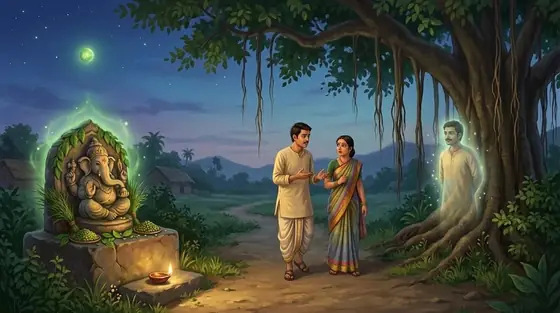 व्रत कथाVrat Kathas
बुधवार व्रत कथा
Budhvar Vrat Katha
गणेश जी और बुध देव का बुधवार व्रत — बुधवार को पत्नी को विदा कराने वाले पुरुष की कथा, व्रत विधि और उद्यापनThe Wednesday fast for Ganesha and Budh: the man who brought his wife home on a Wednesday, how to keep the fast, and the udyapan