देवउठनी एकादशी व्रत कथा
Dev Uthani (Prabodhini) Ekadashi Vrat Katha
कार्तिक शुक्ल एकादशी — चार महीने की योगनिद्रा से भगवान विष्णु का जागना, एकादशी पर अन्न न खाने वाले राजा की कथा, व्रत के नियम, पारण और चातुर्मास का अंतKartik Shukla Ekadashi: Vishnu wakes from his four-month sleep, the katha of the king whose kingdom ate no grain on Ekadashi, the rules of the fast, the paran and the end of chaturmas
2026 मेंIn 2026
शुक्रवार, 20 नवंबर 2026Friday, 20 November 2026
कार्तिक शुक्ल एकादशी · 07:16 (20 नवंबर 2026) से 06:31 (21 नवंबर 2026) तकKartika Shukla Ekadashi · from 07:16 on 20 November 2026 to 06:31 on 21 November 2026
- पारण (अगले दिन)Paran (next day)
- 12:08 – 14:14 (21 नवंबर 2026)(21 November 2026)
PDF डाउनलोडDownload PDF
कार्तिक शुक्ल एकादशी को देवउठनी एकादशी कहते हैं — देव प्रबोधिनी, देवोत्थान या देवउठावनी एकादशी भी। मान्यता है कि आषाढ़ शुक्ल एकादशी (देवशयनी) को भगवान विष्णु क्षीरसागर में शेषनाग की शय्या पर योगनिद्रा में चले जाते हैं और चार महीने बाद, इसी कार्तिक शुक्ल एकादशी को, जागते हैं। इन चार महीनों को चातुर्मास कहते हैं। इनमें विवाह, गृहप्रवेश, मुंडन जैसे मांगलिक कार्य नहीं होते; देवउठनी एकादशी से वे फिर खुल जाते हैं। इसी कारण यह दिन उत्तर भारत में 'देव उठाने' का उत्सव है और इसके अगले दिन से विवाहों का पहला मौसम शुरू होता है।
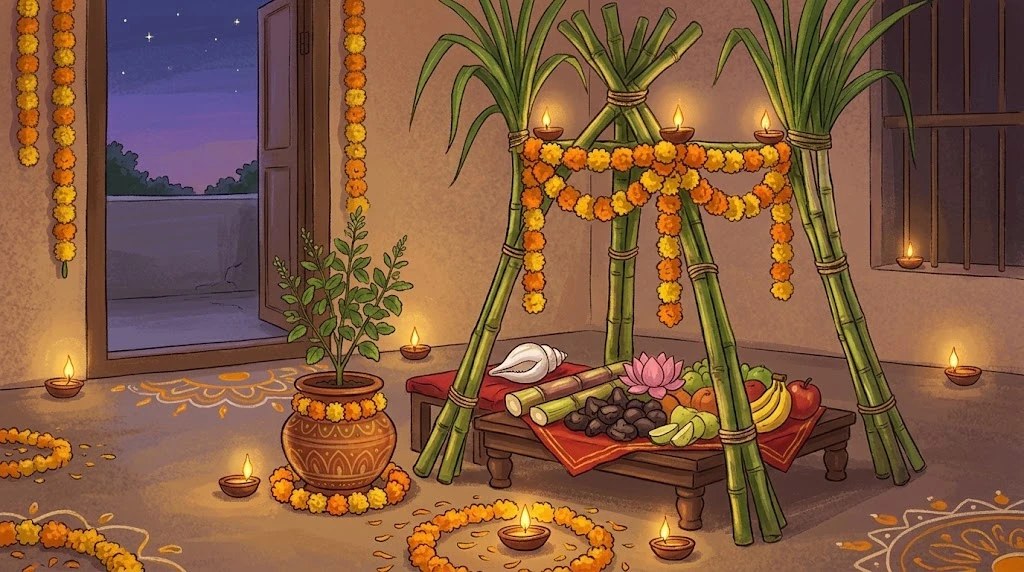
वर्ष की चौबीस एकादशियों में प्रबोधिनी को विशेष माना जाता है, क्योंकि यह चातुर्मास की साधना का समापन है। इस दिन घरों में गन्ने का मंडप सजता है, आँगन में चौक पूरकर भगवान के चरण बनाए जाते हैं, फल-सिंघाड़े-बेर रखे जाते हैं, और संध्या के समय थाली-घंटी बजाकर गीतों से देव को जगाया जाता है। नीचे वह कथा है जो इस व्रत में सुनी जाती है — एक राजा की, जिसके राज्य में एकादशी को कोई अन्न नहीं खाता था — और फिर व्रत की पूरी विधि, नियम और पारण।
Kartik Shukla Ekadashi is called Dev Uthani Ekadashi, and also Prabodhini, Devotthana or Dev Uthavani Ekadashi. It is believed that on Ashadha Shukla Ekadashi (Devshayani) Vishnu enters his yogic sleep on the bed of Sheshnag in the ocean of milk, and four months later, on this Kartik Shukla Ekadashi, he wakes. These four months are the chaturmas. During them no weddings, housewarmings, tonsures or other auspicious rites are held; from Dev Uthani Ekadashi they open again. That is why in north India this day is the festival of 'waking the gods', and the first wedding season of the year begins from the day after.
Of the twenty-four Ekadashis of the year, Prabodhini is held special because it completes the discipline of the chaturmas. On this day homes raise a canopy of sugarcane, draw the Lord's footprints in a chalk square in the courtyard, set out fruit, water chestnuts and ber, and at dusk wake the gods with songs, ringing bells and beating plates. Below is the katha heard during this fast, the story of a king in whose kingdom nobody ate grain on Ekadashi, followed by the full method, the rules and the paran.
कथाThe story
पुराणों में कहा गया है कि आषाढ़ शुक्ल एकादशी को भगवान विष्णु क्षीरसागर में शेषनाग की शय्या पर योगनिद्रा में लीन हो जाते हैं। लक्ष्मी जी उनके चरणों में बैठती हैं और संसार का भार इन चार महीनों में भगवान शिव सँभालते हैं। यह चातुर्मास है — वर्षा, श्रावण, भादों, आश्विन और कार्तिक का समय — जब साधु एक जगह रुककर साधना करते हैं, गृहस्थ व्रत-नियम रखते हैं, और विवाह जैसे मांगलिक कार्य रुके रहते हैं। फिर कार्तिक शुक्ल एकादशी को देवता और ऋषि मिलकर भगवान को जगाते हैं — शंख, घंटे, मृदंग और स्तुतियों से। भगवान जागते हैं, और संसार में फिर से मंगल कार्य शुरू होते हैं। इसी दिन के व्रत में यह लोककथा सुनी जाती है।
किसी देश में एक राजा था, विष्णु का बड़ा भक्त। उसके राज्य में एक नियम था — एकादशी के दिन कोई अन्न नहीं खाएगा। न राजा, न प्रजा, न सेवक, न बंदी, और यहाँ तक कि पशु भी नहीं। उस दिन राज्य भर में अन्न की दुकानें बंद रहतीं, चूल्हों पर केवल फल और दूध चढ़ता, और घोड़ों-हाथियों को भी घास-चने के बदले फल दिए जाते। राजा कहता, 'मेरे राज्य में एकादशी भगवान का दिन है; उस दिन अन्न का एक दाना भी किसी के मुख में नहीं जाएगा।' लोग इसे कठिन मानते थे, पर राजा का भाव सच्चा था और प्रजा उसे प्रेम करती थी, इसलिए सब नियम मानते थे।
स्वर्ग में इस राजा की चर्चा हुई। भगवान विष्णु ने सोचा — नियम तो बड़ा है, पर देखूँ कि यह नियम राजा के अहंकार से निकला है या भक्ति से। एक एकादशी के दिन भगवान एक दुबले-पतले, धूल से भरे, थके हुए यात्री का रूप लेकर राजा के द्वार पर आए। द्वारपालों ने उन्हें रोका तो वे ज़मीन पर बैठ गए और बोले, 'मैं दूर से आया हूँ, तीन दिन से भूखा हूँ। राजा से कहो, एक मुट्ठी अन्न दे दे।'
राजा स्वयं द्वार पर आया। उसने यात्री को देखा, उसकी दशा देखी, और सेवकों को कहा, 'इन्हें भीतर लाओ, जल दो, फल दो, दूध दो, जो चाहें दो।' यात्री ने फल की ओर देखा भी नहीं। वह बोला, 'राजन, मुझे फल-दूध नहीं चाहिए। मुझे रोटी चाहिए, भात चाहिए — अन्न। तीन दिन से मेरे पेट में अन्न नहीं गया। फल से मेरी भूख नहीं जाएगी।' राजा ने हाथ जोड़कर कहा, 'महाराज, आज एकादशी है। मेरे राज्य में आज कोई अन्न नहीं खाता, यह मेरा नियम है। कल सूर्योदय पर मैं स्वयं अपने हाथ से आपको भोजन कराऊँगा। आज फल लीजिए, दूध लीजिए, विश्राम कीजिए।'
यात्री ने सिर हिलाया। 'कल? कल तक मैं जीवित रहूँगा क्या? राजन, तुम्हारे द्वार पर एक भूखा आया है और तुम उसे अपने नियम का पाठ पढ़ा रहे हो। शास्त्र कहते हैं कि अतिथि भूखा लौटे तो घर का पुण्य साथ ले जाता है। तुम्हारा व्रत बड़ा है या भूखे का प्राण? आज एक मनुष्य तुम्हारे द्वार पर भूख से मर जाए तो क्या तुम्हारी एकादशी सफल होगी?' दरबार में सन्नाटा छा गया। मंत्री एक-दूसरे का मुख देखने लगे। किसी ने धीरे से कहा, 'महाराज, नियम नियम है, एक दिन की बात है।' किसी ने कहा, 'महाराज, अतिथि देव है, उसे भोजन दीजिए।'
राजा देर तक चुप रहा। फिर उसने कहा, 'महाराज, मैंने नियम अपने और अपनी प्रजा के लिए बनाया था, ताकि हम एक दिन भगवान को याद करें। उस नियम को मैं किसी भूखे के प्राण की ढाल नहीं बनाऊँगा। मेरा व्रत मेरा है — मैं आज अन्न नहीं खाऊँगा। पर आप भगवान के भेजे हुए अतिथि हैं, और भूखे को भोजन देना एकादशी से भी बड़ा धर्म है। मैं अपने हाथ से आपके लिए भोजन बनाऊँगा।' वह रसोई में गया, स्वयं आग जलाई, और अपने हाथों से रोटी और भात बनाया। सेवक देखते रह गए — राजा के हाथ धुएँ से काले हो गए, आँखों में पानी आ गया, पर उसने किसी को काम नहीं लेने दिया। फिर उसने पत्तल पर भोजन परोसा और यात्री के सामने रखकर हाथ जोड़े — 'खाइए।'
यात्री ने भोजन की ओर देखा, फिर राजा की ओर। और उसी क्षण उसका रूप बदल गया — धूल से भरा यात्री नहीं, शंख-चक्र-गदा-पद्म धारण किए, पीतांबर पहने, स्वयं भगवान विष्णु खड़े थे। दरबार में सब भूमि पर गिर पड़े। भगवान ने राजा को उठाया और कहा, 'राजन, मैं तुम्हारी परीक्षा लेने आया था। बहुत लोग व्रत रखते हैं, पर व्रत का अहंकार उन्हें कठोर बना देता है। तुमने दोनों धर्म निभाए — अपना व्रत भी नहीं छोड़ा और अतिथि को भूखा भी नहीं रखा। जो नियम दया को न रोके, वही सच्चा नियम है। आज कार्तिक शुक्ल एकादशी है, आज मैं अपनी योगनिद्रा से जागता हूँ — और आज मैं तुम्हारे द्वार पर जागा हूँ।'
राजा के नेत्रों से अश्रु बह रहे थे। भगवान ने कहा, 'वर माँगो।' राजा ने कहा, 'प्रभु, मुझे कुछ नहीं चाहिए। बस यह कि मेरे राज्य में जो भी यह एकादशी व्रत रखे, उसकी भक्ति सच्ची रहे और उसमें दया बनी रहे।' भगवान ने वर दिया — 'जो कार्तिक शुक्ल एकादशी का व्रत रखेगा, रात में जागकर मेरा नाम लेगा, और भूखे को भोजन देकर द्वादशी को पारण करेगा, उसे वर्ष की सभी एकादशियों का फल मिलेगा और उसके पाप नष्ट होंगे। मेरे जागने के साथ संसार के सभी मंगल कार्य फिर से खुलेंगे।' कहकर भगवान अंतर्ध्यान हो गए, और उसी क्षण उस राज्य में शंख और घंटे बजने लगे, जैसे स्वयं देवता जाग गए हों।
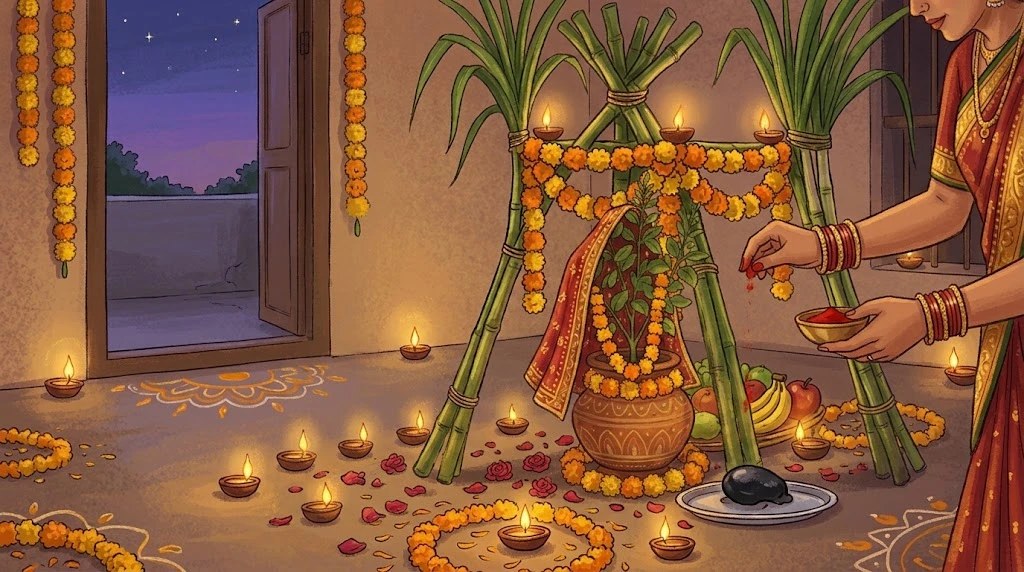
तब से कार्तिक शुक्ल एकादशी देवउठनी एकादशी कहलाती है। इस दिन व्रत रखा जाता है, संध्या को घरों में गन्ने का मंडप सजाकर, दीपक जलाकर और थाली-घंटी बजाकर 'देव उठाए' जाते हैं, रात को जागरण होता है और अगले दिन द्वादशी को पारण। चातुर्मास समाप्त हो जाता है और विवाहों की शहनाई फिर बजने लगती है। अगले दिन तुलसी विवाह होता है, जिसमें भगवान शालिग्राम रूप में तुलसी से विवाह करते हैं — यही संसार का पहला विवाह माना जाता है जिसके बाद मनुष्यों के विवाह शुरू होते हैं। कहते हैं, जो इस दिन का व्रत श्रद्धा से करता है और कथा सुनता है, उसके घर से दरिद्रता और रोग दूर रहते हैं और भगवान विष्णु उसके द्वार पर जागते हैं।
The Puranas say that on Ashadha Shukla Ekadashi Vishnu sinks into yogic sleep on the bed of Sheshnag in the ocean of milk. Lakshmi sits at his feet, and for these four months the burden of the world is carried by Shiva. This is the chaturmas, the time of the rains through the months of Shravan, Bhadon, Ashwin and Kartik, when wandering sadhus stay in one place and practise, householders keep fasts and rules, and weddings and other auspicious rites are held back. Then, on Kartik Shukla Ekadashi, the gods and the sages together wake the Lord with conch shells, bells, drums and hymns. He wakes, and auspicious work begins again in the world. This folk katha is heard during the fast of that day.
In a certain country there was a king, a great devotee of Vishnu. His kingdom had one rule: on Ekadashi nobody eats grain. Not the king, not his people, not his servants, not his prisoners, not even the animals. On that day the grain shops across the kingdom stayed shut, only fruit and milk went on the stoves, and even the horses and elephants were given fruit instead of grass and gram. The king would say, 'In my kingdom Ekadashi belongs to the Lord; not one grain shall pass anyone's lips that day.' People found it hard, but the king's heart was sincere and his people loved him, so everyone kept the rule.
Word of this king reached heaven. Vishnu thought: the rule is a great one, but let me see whether it springs from the king's pride or from his devotion. On an Ekadashi day the Lord took the form of a thin, dusty, exhausted traveller and came to the king's gate. When the guards stopped him he sat down on the ground and said, 'I have come from far away and I have not eaten for three days. Tell the king to give me a handful of grain.'
The king came to the gate himself. He saw the traveller and the state he was in, and told his servants, 'Bring him inside, give him water, fruit, milk, whatever he wants.' The traveller did not so much as look at the fruit. He said, 'King, I do not want fruit and milk. I want bread, I want rice. Grain. No grain has entered my stomach for three days. Fruit will not take away my hunger.' The king folded his hands and said, 'Sir, today is Ekadashi. In my kingdom nobody eats grain today; that is my rule. Tomorrow at sunrise I will feed you with my own hands. Today take fruit, take milk, and rest.'
The traveller shook his head. 'Tomorrow? Will I be alive tomorrow? King, a hungry man has come to your door and you recite your rule to him. The scriptures say that a guest who leaves hungry carries away the merit of the house. Which is greater, your vow or a hungry man's life? If a man dies of hunger at your gate today, will your Ekadashi be a success?' Silence fell over the court. The ministers looked at one another. Someone murmured, 'Majesty, a rule is a rule, it is only one day.' Someone else said, 'Majesty, the guest is God; give him food.'
The king was quiet for a long while. Then he said, 'Sir, I made this rule for myself and my people, so that one day in a fortnight we would remember the Lord. I will not make that rule a shield against a hungry man's life. My vow is mine: I will not eat grain today. But you are a guest sent by the Lord, and feeding the hungry is a dharma greater even than Ekadashi. I will cook your meal with my own hands.' He went into the kitchen, lit the fire himself, and with his own hands made bread and rice. The servants stood watching: the king's hands turned black with smoke and his eyes watered, but he let no one take the work from him. Then he served the food on a leaf plate, set it before the traveller and folded his hands. 'Eat.'
The traveller looked at the food, and then at the king. And in that instant his form changed. No dusty traveller stood there but Vishnu himself, in yellow silk, bearing the conch, the discus, the mace and the lotus. Everyone in the court fell to the ground. The Lord raised the king and said, 'King, I came to test you. Many people keep fasts, but the pride of the fast makes them hard. You kept both dharmas: you did not give up your vow, and you did not let a guest go hungry. A rule that does not stop compassion is the only true rule. Today is Kartik Shukla Ekadashi, the day I wake from my sleep, and today I have woken at your door.'
Tears ran from the king's eyes. The Lord said, 'Ask for a boon.' The king said, 'Lord, I want nothing. Only this: that whoever in my kingdom keeps this Ekadashi fast, let their devotion stay true and let compassion stay in it.' The Lord granted it: 'Whoever keeps the fast of Kartik Shukla Ekadashi, stays awake in the night taking my name, feeds the hungry and breaks the fast on Dwadashi will gain the fruit of all the Ekadashis of the year and their sins will be destroyed. With my waking, all the auspicious work of the world opens again.' With these words the Lord vanished, and at that moment conch shells and bells began to sound across the kingdom, as if the gods themselves had woken.
Since then Kartik Shukla Ekadashi has been called Dev Uthani Ekadashi. The fast is kept on this day; at dusk homes raise a canopy of sugarcane, light lamps, ring bells and beat plates to 'wake the gods'; there is a vigil through the night, and the paran, the breaking of the fast, on Dwadashi the next day. The chaturmas ends and the wedding pipes sound again. The next day is Tulsi Vivah, when the Lord in the form of the Shaligram marries Tulsi; this is counted as the first wedding of the world, after which the weddings of men and women begin. It is said that whoever keeps this fast with faith and hears the katha keeps poverty and disease away from the house, and that Vishnu wakes at their door.
पूजा विधिHow to perform the puja
सामग्री: भगवान विष्णु या लक्ष्मी-नारायण का चित्र या मूर्ति (शालिग्राम हो तो सर्वोत्तम), पीला वस्त्र, पंचामृत (दूध, दही, घी, शहद, शक्कर), गंगाजल, तुलसी दल, पीले फूल, चंदन, अक्षत, धूप, घी के दीपक, कलश, नारियल, पान-सुपारी, मौसमी फल — गन्ना, सिंघाड़ा, बेर, शकरकंद, आँवला, मूली, सीताफल — और मिठाई। चौक पूरने के लिए चावल का आटा, गेरू या खड़िया, और मंडप के लिए पाँच या सात गन्ने।
दशमी की संध्या को सात्विक और हल्का भोजन करें; चावल और मसूर न लें। एकादशी को सूर्योदय से पहले उठें, स्नान करें, पीले या स्वच्छ वस्त्र पहनें। हाथ में जल, अक्षत और फूल लेकर व्रत का संकल्प लें — 'मैं आज देवउठनी एकादशी का व्रत भगवान विष्णु की प्रसन्नता के लिए रखता/रखती हूँ' — और संकल्प के साथ आज अन्न न लेने का नियम मन में दोहराएँ।
पूजा-स्थान पर भगवान विष्णु को पंचामृत और गंगाजल से स्नान कराएँ, पीला वस्त्र अर्पित करें, चंदन-अक्षत से तिलक करें, पीले फूल और तुलसी दल चढ़ाएँ। घी का दीपक और धूप जलाएँ। 'ॐ नमो भगवते वासुदेवाय' की एक माला जप करें; समय हो तो विष्णु सहस्रनाम या विष्णु स्तुति का पाठ करें। एकादशी पर तुलसी के पत्ते नहीं तोड़े जाते, इसलिए तुलसी दल दशमी को ही तोड़कर रख लें।
आँगन या पूजा-स्थान की ज़मीन को लीपकर गेरू और चावल के आटे से चौक पूरें — उसमें भगवान के चरण, शंख, चक्र और सूर्य-चंद्र बनाए जाते हैं। चौक पर गन्नों का मंडप खड़ा करें और उसके बीच भगवान का चित्र या शालिग्राम विराजित करें। मंडप के नीचे सारे मौसमी फल, सिंघाड़े, बेर, शकरकंद, मूली और मिठाई रखकर उन्हें छाज या किसी पात्र से ढक दें — यह भोग देव जगाने के समय उन्हें अर्पित होगा।
दिन भर व्रत रखें। पूर्ण उपवास कर सकें तो केवल जल; न कर सकें तो फल, दूध, सिंघाड़े या कुट्टू का हल्का फलाहार एक समय लें। चावल, गेहूँ, दाल और सभी अन्न, नमक की भी छूट बहुत से घरों में नहीं है। दिन में कथा पढ़ें या सुनें और भगवान का स्मरण करते रहें। क्रोध, झूठ और निंदा से बचें — एकादशी का व्रत पेट से ज़्यादा मन का है।
संध्या को प्रदोष काल में देव जगाने की मुख्य विधि होती है। मंडप और घर में घी के दीपक जलाएँ। परिवार के सब लोग मंडप के पास एकत्र हों। थाली, घंटी या शंख बजाएँ और देव जगाने के लोकगीत गाएँ — उत्तर भारत में 'उठो देव, बैठो देव' के गीत पीढ़ियों से चले आ रहे हैं। ढका हुआ भोग खोलकर भगवान को अर्पित करें, पान-सुपारी और नारियल चढ़ाएँ, और 'उत्तिष्ठ गोविंद' के उत्थापन मंत्र या सरल भाषा में प्रार्थना करके भगवान से जागने और संसार का कार्य सँभालने का निवेदन करें।
भगवान विष्णु की आरती करें और उसके बाद कथा का समापन। रात में जागरण की परंपरा है — भजन, कीर्तन, विष्णु सहस्रनाम या हरिनाम संकीर्तन। पूरी रात न जग सकें तो कम-से-कम आधी रात तक भजन और नाम-स्मरण करें, और सोने से पहले भगवान को प्रणाम करें।
अगले दिन द्वादशी को सूर्योदय के बाद स्नान करें, भगवान की पूजा करें, और किसी ब्राह्मण, ज़रूरतमंद या भूखे व्यक्ति को भोजन या अन्न-दान दें — कथा का राजा यही सिखाता है। फिर द्वादशी तिथि के भीतर पारण करें: तुलसी दल के साथ जल लेकर व्रत खोलें और सात्विक अन्न ग्रहण करें। पारण का समय द्वादशी समाप्त होने से पहले होना चाहिए और हरि वासर (द्वादशी का पहला चौथाई) बीत जाने के बाद; इस वर्ष का पारण समय पंचांग से देख लें।
द्वादशी को ही बहुत से घरों में तुलसी विवाह होता है, और इस दिन से विवाह, गृहप्रवेश और नए काम के मुहूर्त फिर से खुल जाते हैं। मंडप के गन्ने अगले दिन प्रसाद रूप में परिवार में बाँटे जाते हैं।
Things needed: a picture or image of Vishnu or of Lakshmi-Narayana (a Shaligram is best), yellow cloth, panchamrit (milk, curd, ghee, honey and sugar), Ganga water, tulsi leaves, yellow flowers, sandal paste, akshat, incense, ghee lamps, a kalash, a coconut, paan and supari, the fruits of the season (sugarcane, water chestnut, ber, sweet potato, amla, radish, custard apple) and sweets. Rice flour and red ochre or chalk for the chauk, and five or seven stalks of sugarcane for the canopy.
On the evening of Dashami eat a light, sattvic meal without rice or lentils. On Ekadashi rise before sunrise, bathe and wear yellow or clean clothes. Take water, akshat and a flower in your hand and take the sankalp, the vow: 'Today I keep the fast of Dev Uthani Ekadashi for the pleasure of Lord Vishnu', and with it repeat to yourself the rule of taking no grain today.
At the puja place bathe the image of Vishnu with panchamrit and Ganga water, offer yellow cloth, mark it with sandal and akshat, and offer yellow flowers and tulsi leaves. Light the ghee lamp and incense. Chant one mala of 'Om Namo Bhagavate Vasudevaya'; if there is time, recite the Vishnu Sahasranama or a Vishnu stuti. Tulsi leaves are not plucked on Ekadashi, so pick them on Dashami and keep them ready.
Smear the floor of the courtyard or puja place and draw the chauk with red ochre and rice flour: in it go the Lord's footprints, the conch, the discus, the sun and the moon. Raise the canopy of sugarcane stalks over the chauk and seat the Lord's picture or the Shaligram in its centre. Under the canopy set all the seasonal fruit, the water chestnuts, ber, sweet potato, radish and sweets, and cover them with a winnowing basket or a vessel; this offering is opened at the time of waking the gods.
Fast through the day. If you can keep a complete fast, take only water; if not, take one light meal of fruit, milk, water chestnut or buckwheat. Rice, wheat, lentils and all grain are out, and many homes do not allow salt either. During the day read or listen to the katha and keep the Lord in mind. Avoid anger, lies and gossip; the Ekadashi fast is of the mind more than the stomach.
In the evening, in the pradosh window, comes the main rite of waking the gods. Light ghee lamps in the canopy and around the house. Let the whole family gather at the canopy. Ring bells, beat plates or blow the conch, and sing the folk songs of waking the gods; in north India the songs of 'utho dev, baitho dev' have been sung for generations. Uncover the offering and present it to the Lord, offer paan, supari and the coconut, and with the Utthapana mantra of 'uttishtha Govinda', or a prayer in plain words, ask the Lord to wake and take up the work of the world again.
Do the aarti of Vishnu and then close the katha. A vigil through the night is the tradition: bhajans, kirtan, the Vishnu Sahasranama or the chanting of Hari's names. If you cannot stay up all night, keep the bhajans and the name going at least until midnight, and bow to the Lord before you sleep.
The next day, Dwadashi, bathe after sunrise, worship the Lord, and give a meal or a gift of grain to a brahmin, a needy person or someone hungry; this is what the king of the story teaches. Then break the fast within the Dwadashi tithi: take water with a tulsi leaf and eat a sattvic meal of grain. The paran must fall before Dwadashi ends and after the Hari Vasara, the first quarter of Dwadashi, has passed; check this year's paran time in the panchang.
On the same Dwadashi many homes hold the Tulsi Vivah, and from this day the muhurtas for weddings, housewarmings and new ventures open again. The sugarcane of the canopy is shared in the family as prasad the next day.
व्रत के नियम, पारण और चातुर्मास का अंतRules of the fast, the paran and the end of chaturmas
एकादशी व्रत का पहला नियम है — अन्न नहीं, और सबसे पहले चावल नहीं। परंपरा में एकादशी को चावल खाना विशेष रूप से वर्जित है; कहते हैं कि इस दिन चावल खाने से व्रत का फल नष्ट होता है। गेहूँ, दाल, बाजरा — सभी अनाज भी नहीं लिए जाते। जो लोग निर्जल या केवल जल पर नहीं रह सकते, वे फलाहार करते हैं: फल, दूध, दही, मेवे, सिंघाड़े या कुट्टू का आटा, साबूदाना, आलू और शकरकंद। सेंधा नमक की छूट अधिकांश घरों में है। रोगी, वृद्ध, गर्भवती स्त्रियाँ और बच्चे पूर्ण उपवास न करें — उनके लिए फलाहार और भगवान का स्मरण ही पूरा व्रत है।
दूसरा नियम है रात्रि-जागरण। देवउठनी एकादशी की रात भगवान के जागने की रात है, इसलिए भक्त भी जागते हैं — भजन, कीर्तन, विष्णु सहस्रनाम, हरिनाम संकीर्तन, या इस कथा का पाठ। मंदिरों में इस रात कीर्तन चलता है और घरों में परिवार मिलकर गाता है। जो पूरी रात न जग सकें, वे आधी रात तक जागें और शुद्ध मन से सोएँ। एकादशी के दिन क्रोध, झूठ, निंदा, और सभी तरह के भोग-विलास से दूरी भी व्रत का अंग है।
तीसरा नियम पारण का है। एकादशी का व्रत एकादशी को नहीं, अगले दिन द्वादशी को खोला जाता है — इसे पारण कहते हैं। पारण द्वादशी तिथि के भीतर, सूर्योदय के बाद और हरि वासर बीतने पर करना चाहिए; द्वादशी समाप्त होने से पहले पारण न करना दोष माना जाता है। पारण से पहले स्नान, पूजा और किसी भूखे या ज़रूरतमंद को भोजन-दान — यही कथा का सार है। फिर तुलसी दल के साथ जल लेकर व्रत खोलें और सात्विक अन्न लें। हर वर्ष पारण का समय पंचांग से देखें।
देवउठनी एकादशी के साथ चातुर्मास समाप्त होता है। देवशयनी एकादशी से रुके हुए विवाह, सगाई, गृहप्रवेश, मुंडन, जनेऊ और नए व्यापार के मुहूर्त इस दिन से फिर खुल जाते हैं। अगले दिन द्वादशी को तुलसी विवाह होता है, जो परंपरा में वर्ष का पहला विवाह है, और उसके बाद कार्तिक-अगहन के विवाह मुहूर्त शुरू होते हैं — भारत का पहला विवाह-मौसम। इसी कारण देवउठनी एकादशी को कई क्षेत्रों में अबूझ मुहूर्त भी मानते हैं, जिस दिन बिना मुहूर्त देखे भी विवाह किया जा सकता है। यदि आपके घर में विवाह की योजना है, तो इस एकादशी के बाद के मुहूर्त पंचांग से देखें।
The first rule of the Ekadashi fast is no grain, and before all else no rice. Tradition forbids rice on Ekadashi in particular; it is said that eating rice on this day destroys the fruit of the fast. Wheat, lentils, millet and every other grain are also left out. Those who cannot go without water or on water alone take the phalahar: fruit, milk, curd, nuts, water-chestnut or buckwheat flour, sago, potato and sweet potato. Rock salt is allowed in most homes. The sick, the old, pregnant women and children should not keep a complete fast; for them fruit and the remembrance of the Lord is the whole vrat.
The second rule is the night vigil. The night of Dev Uthani Ekadashi is the night the Lord wakes, so the devotees stay awake too: bhajans, kirtan, the Vishnu Sahasranama, the chanting of Hari's names, or the reading of this katha. Temples hold kirtan through this night and families sing together at home. Those who cannot keep the whole night stay up until midnight and sleep with a clear mind. Keeping away from anger, lies, gossip and every kind of indulgence on Ekadashi is also part of the fast.
The third rule is the paran. The Ekadashi fast is broken not on Ekadashi but on the next day, Dwadashi, and this breaking is the paran. It should be done within the Dwadashi tithi, after sunrise and after the Hari Vasara has passed; letting Dwadashi end without the paran is counted a fault. Before the paran come the bath, the puja and a gift of food to someone hungry or in need; that is the heart of the story. Then take water with a tulsi leaf to open the fast and eat a sattvic meal of grain. Check the paran time in the panchang each year.
With Dev Uthani Ekadashi the chaturmas ends. The weddings, engagements, housewarmings, tonsures, thread ceremonies and new business ventures held back since Devshayani Ekadashi open again from this day. The next day, Dwadashi, is Tulsi Vivah, by tradition the first wedding of the year, and after it the wedding muhurtas of Kartik and Agahan begin, India's first marriage season. For this reason Dev Uthani Ekadashi is also counted in many regions as an abujh muhurta, a day on which a wedding may be held without consulting the almanac. If a wedding is planned in your home, look up the muhurtas after this Ekadashi in the panchang.
महत्व और फलMeaning and fruit
परंपरा के अनुसार देवउठनी एकादशी का व्रत वर्ष की सभी एकादशियों का फल देता है, पापों का नाश करता है और घर से दरिद्रता और रोग दूर रखता है। कहते हैं कि जो इस दिन भगवान को जगाता है, उसके भाग्य को भी भगवान जगाते हैं — रुके हुए काम, रुके हुए विवाह और रुकी हुई उन्नति इस एकादशी के बाद चल पड़ते हैं। कथा का संदेश यह है कि व्रत का अहंकार व्रत नहीं है; जो नियम दया को न रोके, वही भगवान को प्रिय है।
यह एकादशी चातुर्मास की चार महीने की साधना का समापन है — एक तरह से आत्म-संयम के वर्ष का अंत और उत्सव के वर्ष का आरंभ। जिनके विवाह में विलंब हो, जिनके घर में मांगलिक कार्य रुके हों, जो रोज़गार या व्यापार में नई शुरुआत चाहते हों, या जो वर्ष भर एकादशी न रख पाए हों, उनके लिए यह दिन विशेष बताया जाता है।
By tradition the fast of Dev Uthani Ekadashi gives the fruit of all the Ekadashis of the year, destroys sins and keeps poverty and disease away from the house. It is said that whoever wakes the Lord on this day has their own fortune woken by the Lord: stalled work, delayed weddings and halted progress begin to move after this Ekadashi. The message of the story is that the pride of a fast is not the fast; a rule that does not stop compassion is the one dear to the Lord.
This Ekadashi completes the four-month discipline of the chaturmas, in a sense the end of the year of restraint and the start of the year of celebration. The day is said to matter especially to those whose marriage is delayed, whose homes have auspicious work pending, who want a fresh start in work or business, or who could not keep the Ekadashis through the year.
आरतीAarti
देव जगाने के बाद भगवान विष्णु की आरती 'ॐ जय जगदीश हरे' गाई जाती है, और बहुत से घरों में उसके साथ लक्ष्मी जी की आरती भी। आरती के बाद मंडप का भोग — फल, सिंघाड़े, बेर और मिठाई — प्रसाद रूप में बाँटें और रात का जागरण आरंभ करें।
After the waking of the gods, the Vishnu aarti 'Om Jai Jagdish Hare' is sung, and in many homes the Lakshmi aarti follows it. After the aarti, share the offering from the canopy, the fruit, water chestnuts, ber and sweets, as prasad, and begin the night vigil.
कब पढ़ेंWhen to read
यह कथा कार्तिक शुक्ल एकादशी को, देवउठनी एकादशी के व्रत में, दिन में या संध्या के देव-जागरण और आरती के समय, पारण से पहले पढ़ी या सुनी जाती है।This katha is read or heard on Kartik Shukla Ekadashi, during the Dev Uthani fast, in the day or at the evening waking of the gods and the aarti, before the paran.
कुंडली मेंIn your kundli
भगवान विष्णु के ग्रह बृहस्पति हैं, जो कुंडली में धर्म, गुरु, संतान, धन और — विशेषकर स्त्री की कुंडली में — पति और विवाह के कारक हैं; चातुर्मास की तरह ही जब गुरु अस्त होते हैं तब भी विवाह नहीं किए जाते, इसलिए विवाह का समय गुरु से जुड़ा है। यदि आपकी कुंडली में बृहस्पति नीच के (मकर में) हों, अस्त या पाप ग्रहों से पीड़ित हों, सप्तम भाव या सप्तमेश को देखते न हों, या विवाह में विलंब हो रहा हो, तो देवउठनी एकादशी का व्रत, पीला दान और गुरुवार की पूजा उपाय रूप में बताए जाते हैं। आप इसी साइट पर अपनी कुंडली बनाकर अपने बृहस्पति, सप्तम भाव और विवाह के योग देख सकते हैं।Vishnu's graha is Jupiter, which in the kundli stands for dharma, the teacher, children, wealth and, especially in a woman's chart, the husband and marriage; just as in the chaturmas, weddings are also not held while Jupiter is combust, so the timing of marriage is tied to Jupiter. If your Jupiter is debilitated (in Capricorn), combust or afflicted by malefics, does not aspect the seventh house or its lord, or if marriage is being delayed, the Dev Uthani Ekadashi fast, gifts of yellow things and Thursday worship are given as remedies. Build your kundli on this site and check your Jupiter, your seventh house and the yogas for marriage.
ग्रह: Grahas: बृहस्पतिJupiter
अपनी कुंडली में देखेंCheck it in your kundliप्रश्नोत्तरQuestions people ask
- देवउठनी एकादशी पर क्या खाएँ और क्या नहीं? चावल क्यों नहीं खाते?What may one eat on Dev Uthani Ekadashi, and what not? Why no rice?
- एकादशी पर अन्न नहीं लिया जाता — चावल, गेहूँ, दाल, बाजरा, सब। फलाहार कर सकते हैं: फल, दूध, दही, मेवे, सिंघाड़े या कुट्टू का आटा, साबूदाना, आलू, शकरकंद, सेंधा नमक के साथ। चावल विशेष रूप से वर्जित है; परंपरा कहती है कि एकादशी को चावल खाने से व्रत का फल नष्ट होता है और इसे पाप माना जाता है। जो व्रत नहीं रख सकते, वे भी इस दिन चावल छोड़ देते हैं।No grain is taken on Ekadashi: rice, wheat, lentils, millet, all of it. The phalahar is allowed: fruit, milk, curd, nuts, water-chestnut or buckwheat flour, sago, potato and sweet potato, with rock salt. Rice is forbidden in particular; tradition says that eating rice on Ekadashi destroys the fruit of the fast and counts as a sin. Even those who do not fast give up rice on this day.
- देवउठनी एकादशी का पारण कब करें?When is the paran of Dev Uthani Ekadashi done?
- पारण अगले दिन द्वादशी को सूर्योदय के बाद, हरि वासर (द्वादशी का पहला चौथाई) बीतने पर और द्वादशी तिथि समाप्त होने से पहले किया जाता है। पहले स्नान, पूजा और किसी भूखे या ज़रूरतमंद को भोजन-दान, फिर तुलसी दल के साथ जल लेकर व्रत खोलें। द्वादशी के भीतर पारण न करना दोष माना जाता है। इस वर्ष का पारण समय पंचांग से देख लें।The paran is done the next day, Dwadashi, after sunrise, once the Hari Vasara (the first quarter of Dwadashi) has passed and before the Dwadashi tithi ends. First the bath, the puja and a gift of food to someone hungry or in need, then take water with a tulsi leaf to open the fast. Letting Dwadashi end without the paran is counted a fault. Check this year's paran time in the panchang.
- देवउठनी एकादशी और तुलसी विवाह एक ही दिन हैं?Are Dev Uthani Ekadashi and Tulsi Vivah on the same day?
- शास्त्रीय रूप से तुलसी विवाह कार्तिक शुक्ल द्वादशी को होता है, यानी देवउठनी एकादशी के अगले दिन। पर बहुत से घरों और क्षेत्रों में एकादशी की संध्या को देव जगाने के साथ ही तुलसी विवाह भी कर लिया जाता है। दोनों परंपराएँ प्रचलित हैं; अपने परिवार या क्षेत्र की रीति और पंचांग के अनुसार दिन चुनें। कुछ लोग द्वादशी से पूर्णिमा तक किसी भी दिन तुलसी विवाह करते हैं।Strictly, Tulsi Vivah falls on Kartik Shukla Dwadashi, the day after Dev Uthani Ekadashi. But in many homes and regions the Tulsi Vivah is done on the evening of Ekadashi itself, along with the waking of the gods. Both traditions are current; choose the day by your family's or region's custom and the panchang. Some hold the Tulsi Vivah on any day from Dwadashi to the full moon.
- क्या देवउठनी एकादशी से विवाह और शुभ कार्य शुरू हो जाते हैं?Do weddings and auspicious rites resume from Dev Uthani Ekadashi?
- हाँ। देवशयनी एकादशी से देवउठनी एकादशी तक का चातुर्मास मांगलिक कार्यों के लिए वर्जित माना जाता है। देवउठनी एकादशी से विवाह, सगाई, गृहप्रवेश, मुंडन और नए काम के मुहूर्त फिर खुल जाते हैं, और कई क्षेत्रों में इस दिन को अबूझ मुहूर्त मानकर बिना मुहूर्त देखे विवाह किए जाते हैं। इसके बाद कार्तिक-अगहन का विवाह-मौसम शुरू होता है। हर वर्ष के विवाह मुहूर्त पंचांग से देखें।Yes. The chaturmas from Devshayani Ekadashi to Dev Uthani Ekadashi is treated as closed for auspicious rites. From Dev Uthani Ekadashi the muhurtas for weddings, engagements, housewarmings, tonsures and new ventures open again, and in many regions the day itself is taken as an abujh muhurta on which a wedding can be held without consulting the almanac. The wedding season of Kartik and Agahan follows. Check each year's wedding muhurtas in the panchang.
साथ में पढ़ेंRead alongside
 पूजा विधिPuja Vidhis
तुलसी विवाह पूजा विधि और कथा
Tulsi Vivah Puja Vidhi and Katha
कार्तिक शुक्ल द्वादशी का तुलसी विवाह — वृंदा और जलंधर की कथा, शालिग्राम का रहस्य, गन्ने के मंडप में सात फेरों की पूरी विधि और घर में तुलसी के नियमTulsi Vivah on Kartik Shukla Dwadashi: the story of Vrinda and Jalandhar, how Vishnu became the Shaligram, the full wedding under the sugarcane mandap, and the rules of keeping Tulsi at home
बृहस्पतिवार व्रत कथा
Brihaspativar Vrat Katha
भगवान विष्णु और बृहस्पति देव का गुरुवार व्रत — दानी राजा और अभिमानी रानी की कथा, व्रत विधि और उद्यापनThe Thursday fast for Vishnu and Brihaspati: the generous king and his proud queen, how to keep the fast, and the udyapan
ॐ जय जगदीश हरे
Om Jai Jagdish Hare
श्री विष्णु जी की आरती, पं. श्रद्धाराम शर्मा रचित, अर्थ सहितThe Vishnu aarti written by Pandit Shardha Ram Sharma, with the meaning of every stanza